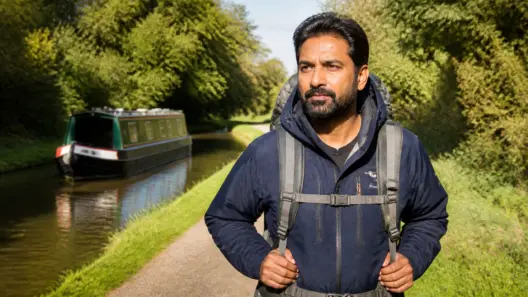
The streets of Dublin were filled with an atmosphere of quiet reverence and explosive celebration as Jordan and Cian Adams crossed the finish line of their thirty-third marathon in as many days. For the two brothers from Redditch, this moment represented far more than a feat of physical endurance. It was the culmination of a journey through grief, genetics, and a relentless commitment to changing the future for thousands of families affected by dementia. Their odyssey, which began in the urban sprawl of London and traversed every corner of Ireland, has captured the public imagination and raised millions for research into one of the most aggressive forms of neurological decline.
Jordan and Cian, known to many as the FTD Brothers, have spent the last month pushing the boundaries of human capability. Their challenge was unique in its structure and its motivation. It began with Jordan taking on the London Marathon while carrying a 25-kilogram fridge on his back, a symbolic weight representing the heavy burden carried by those living with dementia and their carers. From there, the pair moved to Ireland, embarking on 32 consecutive marathons across all 32 counties. This logistical and physical mountain was climbed in memory of their mother, Geraldine, and eleven other relatives who have succumbed to the devastating effects of frontotemporal dementia.
The brothers are not merely observers of this disease; they are living in its shadow. Both Jordan and Cian carry the MAPT gene mutation, a genetic certainty that gives them a 99.9 per cent chance of developing the same condition that claimed their mother’s life at just 52 years old. Frontotemporal dementia often strikes much earlier than more common forms of the disease, typically manifesting in a person’s 40s or 50s. For the Adams brothers, every mile run was a defiance of a biological clock that they know is ticking.
A Genetic Race Against Time
The decision to take on 33 marathons was born from a place of radical honesty regarding their own health. Frontotemporal dementia is a cruel and rapid condition, affecting the lobes of the brain responsible for behaviour, personality, and language. Unlike the slow decline often associated with Alzheimer’s, FTD can cause dramatic shifts in character, often leaving families to mourn the person they knew long before the physical body begins to fail. By speaking openly about their genetic status, Jordan and Cian have brought a hidden struggle into the light, challenging the stigma that often surrounds early-onset neurological conditions.
The MAPT mutation is a heavy inheritance. It dictates a future that most people would find impossible to contemplate. However, the brothers have chosen to view their diagnosis not as a death sentence, but as a call to action. Their motivation is rooted in the belief that while they may not be able to change their own destiny, the funds they raise today could lead to the breakthroughs needed to save the next generation. This sense of urgency fuelled them through the most difficult days of the challenge, when exhaustion threatened to stall their progress.
Throughout the journey, the brothers encountered hundreds of families who shared their own stories of loss. In small villages in County Mayo and the bustling centres of Belfast and Cork, people lined the roads to offer support. These interactions served as a constant reminder of why they were running. The statistics regarding dementia are often presented in cold, impersonal terms, but the brothers sought to humanise the data. By sharing the story of their mother, Geraldine, they provided a face for the millions affected, turning a private family tragedy into a public movement for change.
Thirty-Three Days of Endurance
The physical toll of running nearly 900 miles in a single month cannot be overstated. Each day brought new challenges, from the blistering heat of early summer to the unpredictable coastal winds of the Atlantic Way. The logistical complexity of moving a support team and two runners across 32 different counties required military precision. Yet, despite the inevitable injuries, the mounting fatigue, and the psychological strain of repeating the same gruelling task day after day, the brothers never wavered.
Jordan’s initial marathon in London, completed with the fridge strapped to his back, set the tone for the entire campaign. It was a visual metaphor that resonated deeply with the public. It spoke to the isolation and the physical weight of caregiving, a role that both brothers have understood intimately. As they moved into the Irish leg of the journey, the challenge became a celebration of community. Local running clubs joined them for stretches of the route, and schools turned out to cheer them on as they passed. This collective spirit provided the momentum needed to keep their legs moving when their bodies were telling them to stop.
The choice of Ireland for the bulk of the challenge was a nod to their family heritage and a way to reach a broad demographic of supporters. Each county brought a different terrain and a different atmosphere, but the underlying message remained the same. The funds raised, which have now surpassed €1.7 million, are earmarked for both research and direct support services. This dual focus ensures that while scientists search for a cure, families currently struggling with a diagnosis have access to the resources and care they desperately need.
Legacy and the Future of Care
As the brothers crossed the final line in Merrion Square, the scale of their achievement began to sink in. Beyond the staggering financial total, the Adams brothers have succeeded in starting a national conversation about brain health and the importance of supporting dementia research. The visibility of their campaign has forced a spotlight onto frontotemporal dementia, a condition that is frequently misdiagnosed or overlooked due to its relatively rare occurrence compared to other forms of cognitive decline.
The impact of this legacy will be felt for years to come. The millions raised will be directed toward the Alzheimer Society of Ireland and various foundations dedicated to FTD research. These funds are vital for clinical trials and the development of new diagnostic tools that could identify the disease even earlier. For Jordan and Cian, the success of the project provides a sense of peace. They have turned their genetic reality into a source of hope for others, ensuring that their mother’s name is associated not just with a disease, but with a monumental effort to defeat it.
The story of the Redditch brothers is a testament to the power of human resilience. It demonstrates that even when faced with the most daunting personal circumstances, individuals can choose to act with courage and selflessness. As they return to their lives in the Midlands, they do so with the knowledge that they have made a tangible difference. They have run the race of their lives, not just for themselves or their family, but for every person who has ever had to say a premature goodbye to a loved one. The finish line in Dublin was not the end of their journey, but the beginning of a new chapter in the fight against dementia.