The United States military has conducted a series of targeted airstrikes against Iranian military installations, marking a significant escalation in the ongoing friction within the Gulf region. Described by officials in Washington as "self-defence" measures, the operation focused on disabling critical infrastructure used by Iranian forces to monitor and coordinate activities in the Strait of Hormuz. The strikes, which took place overnight, targeted sophisticated radar systems and drone command-and-control hubs located deep within Iranian territory, specifically in the coastal region of Goruk and on the strategic Qeshm Island.
This military action comes in direct response to the recent downing of a US MQ-1 Predator drone, which American officials maintain was operating within international airspace. The loss of the unmanned aircraft was viewed by the Pentagon as an unprovoked act of aggression that threatened the safety of global shipping lanes and regional stability. By targeting the very sensors and command nodes that facilitate such operations, the US aims to degrade Iran’s ability to track and engage aerial assets in the future. The operation was characterised as a measured and deliberate attempt to restore deterrence without necessarily triggering a full-scale conflict, though the geopolitical ramifications are already being felt across the globe.
Central Command, which oversees military operations in the Middle East, confirmed that the primary objectives included air-defence systems and ground-control stations used for launching and guiding one-way attack drones. These assets were assessed as posing an imminent threat to both commercial vessels and military shipping in the surrounding waters. The use of precision-guided munitions ensured that the damage was localised to military hardware, with initial assessments suggesting that no American personnel were harmed during the sorties. However, the decision to strike targets on the Iranian mainland represents a departure from previous patterns of engagement, which typically focused on proxy forces in neighbouring countries rather than direct hits on Iranian soil.
Precision Strikes in Coastal Regions
The focus on Goruk and Qeshm Island underscores the strategic importance of Iran's southern coastline. Goruk, situated near the mouth of the Strait of Hormuz, serves as a vital observation post for monitoring the flow of oil tankers and cargo ships that pass through the narrow waterway daily. By disabling the radar facilities at this location, the US has effectively blinded a portion of the Iranian maritime surveillance network, making it more difficult for local forces to coordinate intercepts or harassment of international shipping. The strikes were reportedly carried out with high precision, focusing on the electronic heart of the facilities rather than general barracks or non-military infrastructure.
Qeshm Island, the largest island in the Persian Gulf, has long been a focal point for Iranian naval power and drone deployments. The destruction of a ground-control station on the island is a significant blow to the regional drone capabilities that have increasingly been used to challenge the presence of Western naval fleets. These unmanned systems have become a cornerstone of Iran's asymmetric warfare strategy, allowing them to project power and gather intelligence with relatively low risk to human pilots. The removal of these specific command centres is expected to cause an immediate, if temporary, disruption to the operational tempo of Iranian surveillance flights in the region.
Military analysts suggest that the choice of targets was intended to send a clear message regarding the technical superiority and intelligence reach of Western forces. By successfully striking fixed installations that were supposedly protected by advanced air-defence umbrellas, the operation demonstrated a gap in the defensive capabilities of the targeted sites. This technical success is being touted as a necessary step to ensure that international waters remain open and safe for the transit of essential energy resources. The precision nature of the strikes also suggests a desire to avoid collateral damage, which could have otherwise served as a catalyst for a much larger and more destructive regional conflagration.
Responding to Unmanned Aerial Hostility
The catalyst for this latest round of kinetic action was the destruction of an MQ-1 Predator, a workhorse of modern aerial reconnaissance. The drone, which provides persistent surveillance and real-time intelligence, was reportedly engaged by Iranian surface-to-air missiles while it was monitoring maritime activity. While Tehran claimed the aircraft had violated their sovereign airspace, officials in Washington were quick to produce flight data suggesting the drone remained in international corridors. This disagreement over territorial boundaries has been a recurring theme in the Gulf, often leading to tense standoffs between naval vessels and close encounters between military aircraft.
The use of "self-defence" as a legal and operational justification for the strikes is a calculated move to align the action with international norms. By framing the mission as a protective measure for existing assets and personnel, the US seeks to avoid the label of the aggressor. The Pentagon emphasized that the Iranian radar sites were not merely passive observers but were actively involved in the targeting of American equipment. Therefore, their neutralisation was deemed a tactical necessity to prevent further losses. This proactive approach marks a shift toward a more robust defensive posture, where threats are addressed before they can result in the loss of life or high-value technology.
In the aftermath of the strikes, Iranian state media reported that their own forces had responded by targeting the air base from which the American aircraft were launched. While these claims were initially met with silence from Western military sources, they highlight the dangerous cycle of retaliation that currently defines the relationship. The Iranian rhetoric has been predictably defiant, with officials vowing to protect their borders and maintain their right to respond to what they term "terrorist actions." The exchange of fire, even if limited in scope, serves as a stark reminder of how quickly localised incidents can escalate into broader military confrontations involving multiple state actors.
Shifting Tensions in the Strait
The timing of these strikes is particularly sensitive, given the broader diplomatic landscape. Ongoing efforts to address regional security and nuclear concerns have been complicated by these frequent military flare-ups. While some observers argue that military pressure is a necessary component of diplomacy: providing leverage at the negotiating table: others fear that such actions may inadvertently close the door to peaceful resolutions. The delicate balance between deterrence and provocation is currently being tested to its limits, with both sides seeking to project strength without overstepping the invisible boundaries that would lead to total war.
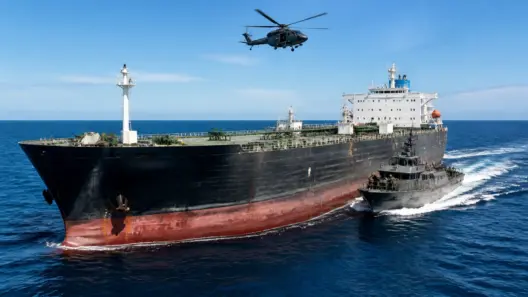
Commercial shipping interests have expressed growing concern over the safety of the Strait of Hormuz, a transit point for nearly a fifth of the world's oil consumption. Any increase in military activity in these waters leads to a rise in insurance premiums and potential disruptions to the global supply chain. The US has reiterated its commitment to maintaining the freedom of navigation, but the reality of persistent drone threats and coastal missile batteries makes this a difficult promise to keep. The degradation of Iranian radar capabilities provides a momentary window of increased safety for tankers, but the underlying tensions remain unresolved.
As the dust settles on Goruk and Qeshm Island, the focus shifts to the potential for further escalation. The international community is closely watching for signs of a coordinated Iranian response, which could involve cyber-attacks, proxy strikes in other parts of the Middle East, or further interference with maritime traffic. For now, the US maintains that its "measured and deliberate" actions have achieved their immediate goals. However, in the volatile environment of the Gulf, where history is often written in short, violent chapters, the long-term impact of this retaliation remains to be seen. The silent desert landscape, now missing some of its most advanced military eyes, stands as a testament to a conflict that continues to simmer just below the surface of global politics.