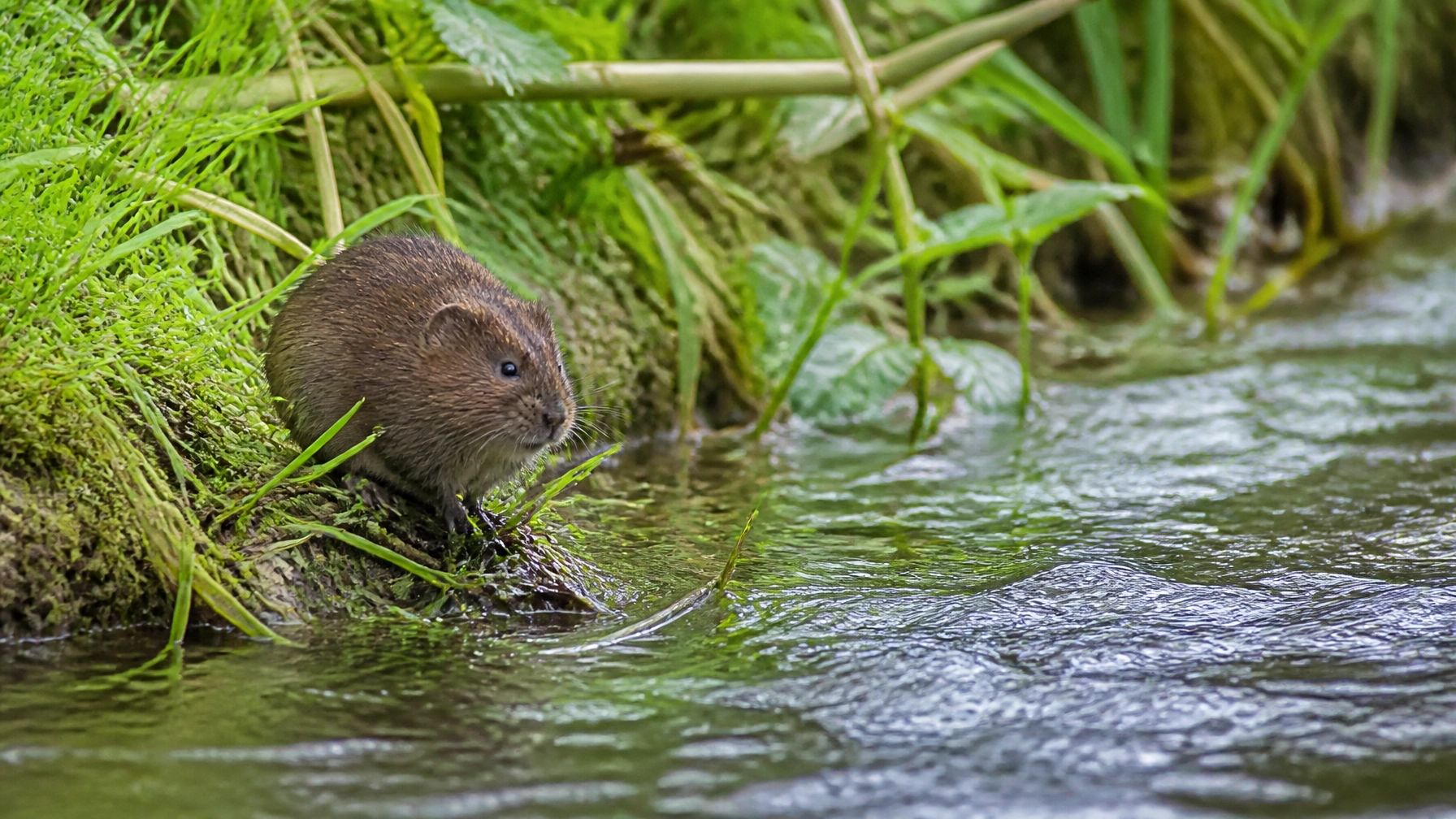
The gentle rustle of reeds and the soft "plop" of a creature entering the water have returned to the banks of the River Wey in Farnham.
For more than twenty years, these characteristic sounds of the British countryside were noticeably absent from this stretch of the river. The water vole, once a common sight across the United Kingdom's waterways, had vanished from the local landscape, falling victim to habitat loss, pollution, and the predatory pressure of non-native species. However, a significant conservation milestone has been reached this week as a sizeable population of these mammals has been successfully reintroduced to the area, marking a major victory for local biodiversity and the health of the river ecosystem.
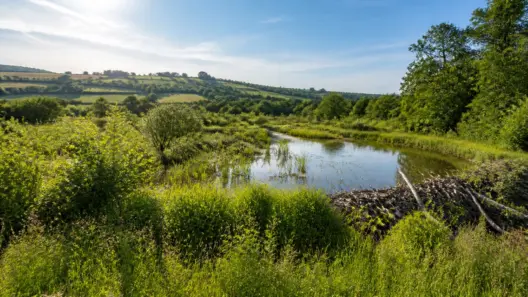
The reintroduction project is the culmination of years of meticulous planning and environmental preparation. Conservationists have released approximately 150 water voles into the upper reaches of the River Wey catchment. These animals, which were carefully bred in captivity to ensure genetic diversity and health, are now settling into their new homes along the riverbanks near Farnham and the surrounding Surrey and Hampshire borders. This move is not merely a single event but the start of a long-term effort to restore the natural balance of one of the region's most vital waterways.
For the residents of Farnham and the wider community, the return of the water vole is a symbol of hope. It demonstrates that with dedicated intervention and community support, the damage done to our natural world over decades can be reversed. The River Wey, which flows through the heart of the town and provides a crucial corridor for wildlife, is once again hosting a species that was nearly lost to history in this part of England.
Reversing a Decades-Long Decline
To understand the weight of this reintroduction, one must look back at the catastrophic decline of the water vole across Britain. Historically, these charming rodents were ubiquitous, famously immortalised as "Ratty" in Kenneth Grahame’s classic literature. Yet, by the turn of the millennium, they had become the UK's fastest-declining mammal. In many parts of the country, populations plummeted by over 90 per cent. The River Wey was no exception to this trend; by the early 2000s, the species was declared locally extinct within the catchment.
The primary driver of this disappearance was the introduction of the North American mink. Escaped or released from fur farms in the mid-20th century, these efficient predators decimated water vole colonies that had no natural defences against them. Combined with the fragmentation of their habitat due to intensive farming and urban development, the water vole was squeezed out of its traditional territories. The riverbanks became silent, and the complex burrows that once lined the Wey fell into disrepair.
Over the last several years, a concerted effort has been made to prepare the River Wey for the return of its native inhabitants. This involved extensive habitat restoration, ensuring that the riverbanks offered the right mix of lush vegetation for food and soft earth for burrowing. Crucially, it also required a rigorous programme of mink monitoring and control. Without managing the threat of predation, any attempt at reintroduction would have been short-lived. The fact that the river is now deemed safe enough for the release of 150 individuals is a testament to the hard work of rangers, environmental agencies, and volunteers who have spent years improving the water quality and ecological stability of the Wey.
The Keystone Species of the Riverbank
The water vole is often described by ecologists as a "keystone species," meaning its presence has a disproportionately large impact on the environment relative to its size. Their reintroduction to the River Wey is expected to trigger a cascade of positive environmental effects. As herbivores, water voles spend much of their time grazing on a wide variety of riverside plants. This constant "gardening" prevents any single plant species from dominating the bank, which in turn encourages a more diverse range of wildflowers and grasses to grow.
Their burrowing activity is equally vital. By digging into the banks, water voles create complex tunnel systems that aerate the soil and provide shelter for other small creatures, such as insects and amphibians. The disturbance they cause to the earth can also help different plant seeds to germinate, further enhancing the botanical diversity of the river corridor. Furthermore, as a source of prey for native predators like barn owls, kestrels, and grey herons, they bolster the entire food web of the Surrey countryside.
The presence of water voles is also a reliable indicator of water health. They require clean, slow-moving water and well-managed banks to thrive. Their successful establishment in Farnham serves as a living report card for the River Wey, suggesting that the water quality and the surrounding habitat have reached a standard capable of supporting sensitive specialist species. This is particularly important at a time when British rivers face numerous challenges from agricultural runoff and urban discharge. The return of the vole is a signal that the Wey is recovering its natural vitality.
A Collaborative Effort for Conservation
The successful release of these mammals in the Farnham area did not happen in isolation. It is the result of a multi-agency partnership that spans across county lines and involves both national organisations and local interest groups. From the initial captive breeding programmes to the physical release of the animals in their specially designed wooden crates, every step was coordinated to give the voles the best possible chance of survival. Experts in mammal ecology worked alongside local landowners to identify the most suitable release sites, focusing on areas with the best cover and the least human disturbance.
Community involvement has been a cornerstone of the project. Local volunteers have played a crucial role in monitoring the river for signs of predators and helping to maintain the riverside vegetation. This grassroots support ensures that the project has a lasting legacy; it is not just a government or charity initiative, but a community-led restoration of the local landscape. Education programmes associated with the reintroduction aim to teach younger generations about the importance of the water vole and the need to protect the delicate ecosystems that exist right on their doorstep.
Looking ahead, the goal is for these initial 150 water voles to form the nucleus of a population that will naturally expand throughout the Wey catchment. Conservationists will continue to monitor the colonies, using field signs such as feeding stations and latrines to track their progress. If these pioneers thrive, it is hoped that the River Wey will once again be a stronghold for the species, allowing them to migrate into neighbouring river systems and eventually re-establish their range across the South East. The return of the water vole to Farnham is more than just a local news story; it is a blueprint for how thoughtful, science-led conservation can bring life back to our historic waterways.