The skyline of Beirut is once again defined by rising plumes of grey smoke as the conflict between Israeli forces and Hezbollah enters a volatile and destructive new phase. In the early hours of Tuesday, a series of heavy airstrikes tore through the southern suburbs of the capital, targeting what military officials describe as essential command centres and logistical hubs. The focus of the campaign, which had previously been concentrated on the border regions and the southern cities of Tyre and Nabatieh, has shifted decisively toward the heart of the country. This escalation follows a fragile period of relative calm that many hoped would lead to a lasting diplomatic resolution, but the events of the last forty-eight hours suggest that both sides are preparing for a protracted and much more violent confrontation.
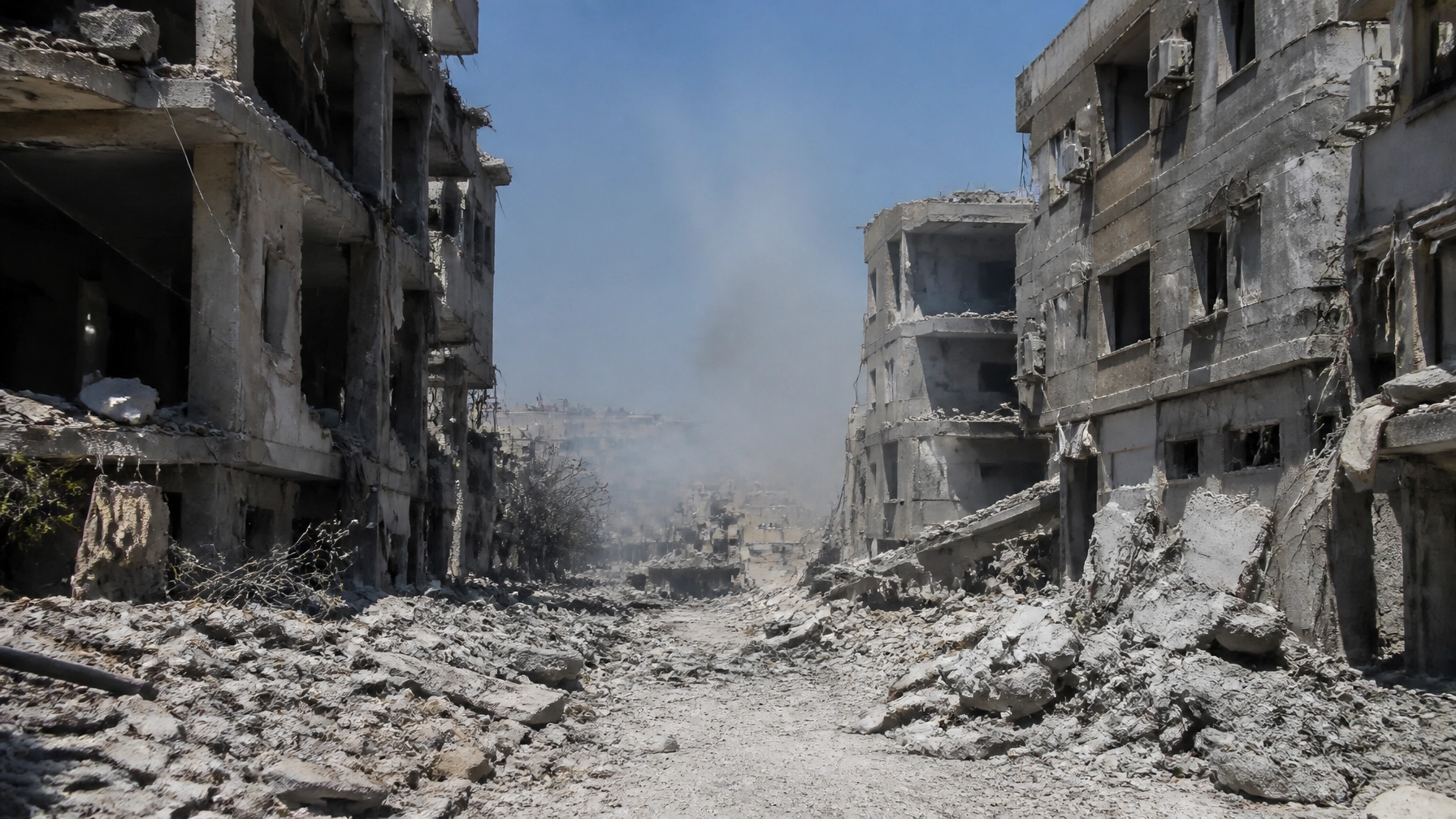
The precision of the strikes on the Dahiyeh area: a densely populated district known as a stronghold for Hezbollah: has left entire apartment blocks in ruins. Residential neighbourhoods such as Bourj el-Barajneh and Haret Hreik have borne the brunt of the bombardment. Eyewitnesses describe a terrifying sequence of events where evacuation warnings, delivered via social media and recorded telephone messages, gave residents mere minutes to flee before the first missiles struck. The resulting displacement is catastrophic, with thousands of families pouring into the central districts of Beirut, often with nothing more than the clothes on their backs. The streets are clogged with vehicles laden with mattresses and household goods, as the fear of a full-scale ground invasion or a sustained aerial siege hangs heavy over the population.
Military analysts suggest that this shift in strategy is part of a broader operation designed to dismantle the operational capacity of Hezbollah’s senior leadership. By striking the suburbs, the Israeli military aims to sever the communication lines between the frontline fighters in the south and the political and military decision-makers in the capital. However, the cost of this tactical approach is being measured in human lives and the total destruction of civilian infrastructure. Hospitals in the capital are struggling to cope with the influx of casualties, many of whom are suffering from severe injuries caused by collapsing buildings and shrapnel. The atmosphere in Beirut is one of grim anticipation, as the city braces for further strikes that seem almost certain to follow in the coming days.
The Humanitarian Toll of Urban Warfare
The humanitarian situation across Lebanon has reached a critical breaking point as the conflict spills into the streets of its most populous cities. With over one million people now estimated to be displaced, the nation is facing a domestic crisis that it is ill-equipped to handle. Schools, community centres, and even abandoned warehouses have been converted into makeshift shelters, but these facilities are rapidly reaching capacity. In many parts of Beirut, displaced families are sleeping on pavements and in public parks, exposed to the elements and lacking access to basic sanitation or clean water. The speed of the escalation has caught many by surprise, leaving aid agencies scrambling to provide food and medical supplies to those in desperate need.
In the southern suburbs, the destruction of the power grid and water mains has made large swathes of the city uninhabitable. The psychological impact on the civilian population is profound; the constant sound of surveillance drones overhead and the sudden, thunderous impact of airstrikes have created a state of perpetual anxiety. For many residents, this is a haunting echo of previous conflicts, yet the intensity of the current bombardment is described as unprecedented. The targeting of urban areas means that even those not directly involved in the hostilities are living in a theatre of war, where the boundary between military targets and civilian life has become dangerously blurred.
Furthermore, the economic consequences of the conflict are deepening the misery of the Lebanese people. The country was already reeling from a prolonged financial crisis, and the current instability has sent the value of the local currency into a fresh tailspin. Markets are struggling to maintain supplies of essential goods, and the cost of fuel has soared, making it difficult for aid convoys to move across the country. As the strikes continue, there is a growing sense of desperation among those who have lost their homes and livelihoods. The social fabric of the country is being stretched to its limits, and without a significant de-escalation, the humanitarian catastrophe is likely to worsen, leading to long-term instability that will be difficult to reverse even if a ceasefire is eventually reached.
Strategic Shifts and the Breakdown of Peace
The recent surge in hostilities marks a definitive breakdown in the ceasefire framework that was tentatively agreed upon earlier this month. Both parties have accused each other of violating the terms of the agreement, leading to a tit-for-tat escalation that has now spiralled out of control. Israeli officials maintain that their actions are a necessary response to the continued use of sophisticated drones and rocket fire by Hezbollah, which have targeted northern Israeli communities and sensitive infrastructure. They argue that the presence of high-tech weaponry, including drones capable of bypassing advanced air defence systems, poses an existential threat that must be neutralised at its source in the Lebanese capital.
On the other side, Hezbollah has framed its retaliatory strikes as a legitimate defence of Lebanese sovereignty. The group has launched a series of counter-attacks, using long-range missiles to strike deep into Israeli territory, further complicating the military landscape. This cycle of violence has rendered diplomatic efforts nearly impossible, as neither side appears willing to blink first. The introduction of Operation Eternal Darkness, a coordinated Israeli campaign that saw hundreds of targets hit across Lebanon in a matter of minutes, signals a move toward a "total war" footing. This shift suggests that the objective is no longer merely to deter Hezbollah, but to significantly degrade its long-term military capabilities, regardless of the diplomatic fallout.
The collapse of the peace process has also had a chilling effect on international mediation. Previous attempts to establish a buffer zone or a monitored withdrawal of forces have been overtaken by the reality on the ground. The rhetoric from both leaderships has hardened, with calls for decisive victory replacing talks of compromise. This lack of a diplomatic exit ramp is perhaps the most concerning aspect of the current situation. As the military operations expand in scope and intensity, the window for a negotiated settlement is closing. The focus has moved from the negotiating table to the battlefield, where the strategic calculations are being driven by a desire for a definitive military outcome that has remained elusive for decades.
Geopolitical Ripples and Regional Instability
The escalation in Lebanon is not happening in a vacuum; it is sending shockwaves across the Middle East and beyond, threatening to draw in other regional powers. The involvement of Hezbollah, a key actor in the regional network of influence, means that the conflict has direct implications for the broader geopolitical balance. There are growing concerns that the intensity of the strikes on Beirut could provoke a more direct response from regional backers, potentially leading to a wider multi-front war. Such a scenario would have devastating consequences for regional stability, affecting everything from international shipping lanes to global energy markets.
Already, the diplomatic fallout is visible on the global stage. Communication channels between major world powers have been strained, with some nations citing the ongoing military operations as a primary reason for the suspension of high-level talks on other critical issues, including nuclear non-proliferation and regional security agreements. The perception that international law is being sidelined in favour of military might is creating a sense of unease in capitals around the world. The inability of the international community to enforce a ceasefire or provide a credible path to peace has highlighted the limitations of current diplomatic structures in the face of such a deep-seated and ideological conflict.
As the conflict continues, the risk of miscalculation remains high. A single strike that results in a massive civilian casualty event or hits a particularly sensitive site could be the catalyst for an even larger conflagration. The regional actors are watching closely, and the internal pressures within Lebanon and Israel are pushing both governments toward a more aggressive stance. For the people of Lebanon, the immediate concern is survival, but for the rest of the world, the focus is on whether this conflict can be contained. The coming weeks will be a test of whether the regional order can withstand the pressures of such a violent escalation, or if the events in the suburbs of Beirut are the beginning of a much larger and more dangerous chapter in the history of the Middle East.