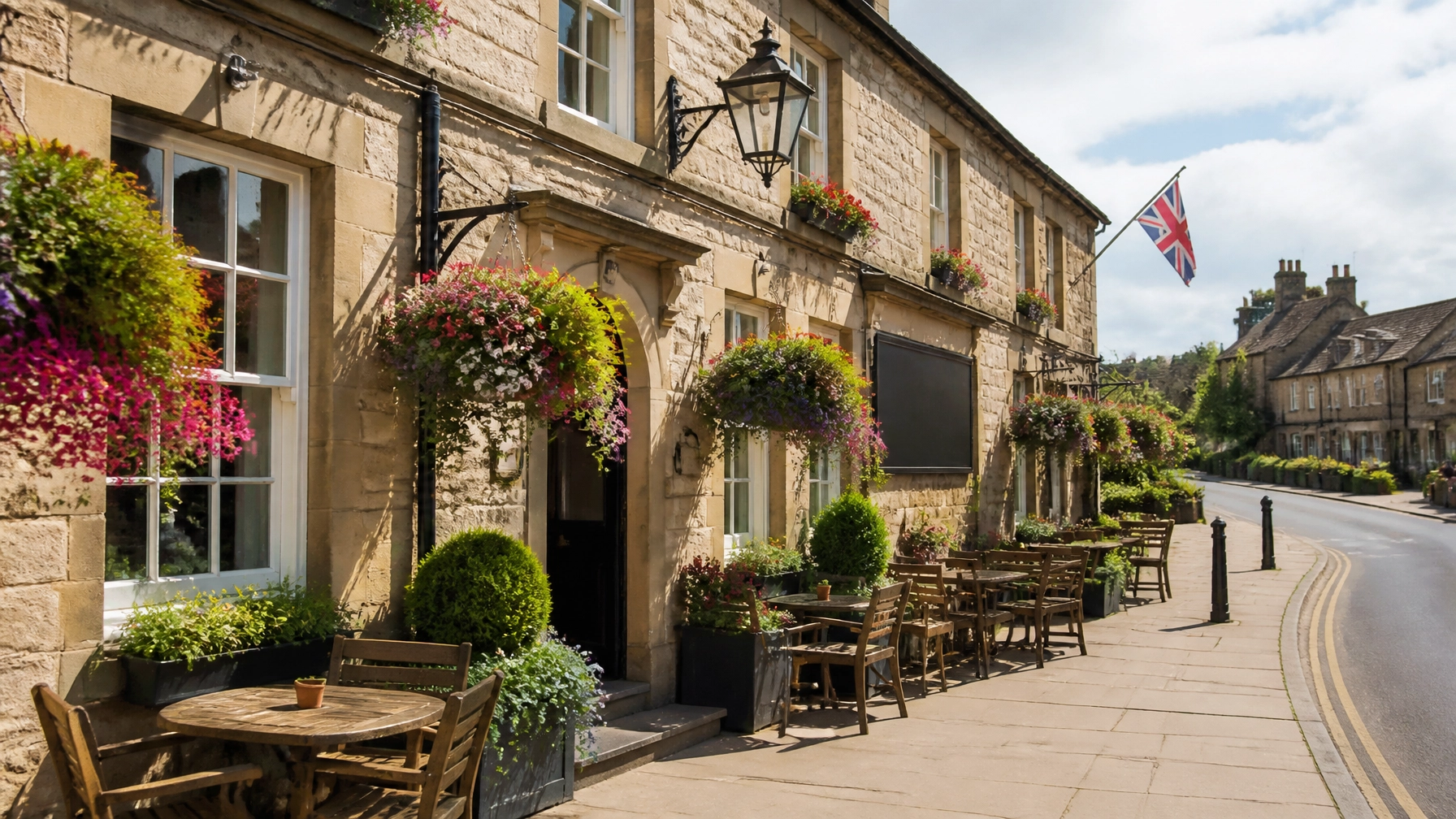
The Prince of Wales has delivered a passionate endorsement of the British pub, describing the institution as the "beating heart" of local communities and calling for greater measures to ensure their long-term survival. During a series of recent engagements, Prince William highlighted the vital role these establishments play in fostering social cohesion and combating the growing crisis of loneliness across the United Kingdom. His remarks come at a precarious time for the hospitality sector, which continues to grapple with the combined pressures of high energy costs, inflation, and a shifting economic landscape that has seen hundreds of local locals close their doors for good over the past twelve months.
Speaking to publicans and patrons alike, the Prince emphasised that the value of a pub extends far beyond the sale of food and drink. He framed these historic venues as essential pieces of social infrastructure: spaces where people from all walks of life can gather, share stories, and support one another in an increasingly digital and isolated world. By positioning the pub as a "vital community hub," the heir to the throne has added significant royal weight to a national conversation about the cultural and social worth of the hospitality industry, urging the public and policymakers to view these businesses not merely as commercial entities, but as the glue that holds British society together.
The Vital Role of the Community Hub
The concept of the British pub as a community hub is one that resonates deeply within the fabric of national life. For centuries, these institutions have served as the primary meeting place for villages, towns, and city neighbourhoods. Prince William’s recent advocacy shines a light on the fact that for many, particularly the elderly or those living in remote areas, the local pub is often the only place where they can find regular human contact. This social function is increasingly being recognised by health and social care experts as a front-line defence against social isolation. When a local pub closes, the loss is felt not just in the local economy, but in the collective well-being of the residents who once called it their second home.
The Prince’s observations regarding human contact are backed by a growing body of evidence suggesting that informal social spaces are crucial for mental health. In his discussions, he noted that the atmosphere of a traditional pub encourages a type of "proper connection" that is difficult to replicate in other settings. Whether it is a quiet pint by the fire or a lively community event, the shared experience of the pub environment provides a sense of belonging and identity. By championing these spaces, the Prince is highlighting a form of social capital that is often overlooked in traditional economic assessments. The "Pint of Protection" he calls for is essentially a plea to preserve the places where the national character is forged and maintained.
Furthermore, the diversification of the modern pub has only strengthened its claim as a community pillar. Many venues now host post offices, village shops, and community libraries, filling the void left by the closure of other local services. This evolution has made them more indispensable than ever. Prince William acknowledged this adaptability, praising publicans who have gone above and beyond to serve their locales during difficult times. The survival of these venues is, therefore, not just a matter of preserving tradition, but of maintaining essential services that keep communities functioning.
Navigating Economic Headwinds
Despite their social importance, British pubs are facing an unprecedented set of economic challenges. The Prince’s rallying cry comes at a moment when the industry is fighting for its future. Rising business rates, high VAT, and the soaring cost of goods have squeezed margins to the breaking point. Many independent landlords find themselves in a position where, despite a loyal customer base, the numbers simply no longer add up. The Prince of Wales’s call for protection is a timely reminder that without targeted support and a recognition of their unique status, many more communities risk losing their "beating heart."
Recent policy changes have provided some measure of relief, with discounts on business rates for eligible pubs and live music venues aimed at freezing bills in real terms. However, industry leaders argue that more structural change is required to ensure long-term sustainability. The Prince’s high-profile support provides a significant boost to these calls for reform. By drawing attention to the plight of the publican, he is helping to elevate the issue from a niche industry concern to a matter of national importance. The message is clear: if the UK values its pubs as community hubs, it must create an economic environment in which they can realistically thrive.
The economic impact of the pub sector is also substantial, supporting hundreds of thousands of jobs and contributing billions to the treasury. Yet, the Prince’s focus remains firmly on the human element. He pointed out that while the financial figures are important, the "cost of closure" is often measured in the erosion of community spirit and the loss of local history. Protecting the pub is about safeguarding the livelihoods of those who work behind the bar, the local suppliers who provide the produce, and the residents who rely on the venue for social interaction. It is an intricate web of economic and social relationships that, once broken, is incredibly difficult to mend.
A Royal Tradition and Future Outlook
Prince William’s affinity for the British pub is not a new development. During his visits, he fondly recalled "growing up in pubs," a sentiment that humanises the monarchy and aligns him with the everyday experiences of the British public. This personal connection lends a sense of authenticity to his advocacy. The Royal Family has a long-standing tradition of supporting the industry, from Queen Victoria’s patronage to King Charles III’s own initiatives to revitalise rural pubs. By continuing this legacy, Prince William is ensuring that the plight of the pub remains a priority for the establishment and the public consciousness.
The future of the British pub may depend on a fundamental shift in how they are perceived by the state and the public. The Prince’s vision of the pub as a protected community asset suggests a move away from seeing them purely as hospitality businesses. There is a growing movement to give communities more power to save their locals through "right to bid" legislation and community ownership models. These initiatives allow residents to take control of their pubs when they are threatened with closure or redevelopment, ensuring that they remain in the hands of the people who value them most. Prince William’s comments provide a powerful endorsement for these community-led efforts.
As the nation looks forward, the challenge will be to balance the need for commercial viability with the preservation of social value. The "Pint of Protection" is a call to action for everyone: from the government setting the tax rates to the locals deciding where to spend their Friday evenings. Prince William has set the stage for a renewed appreciation of the great British pub, framing it as a national treasure that is well worth fighting for. By recognising that these venues are the heart of our communities, there is hope that the current tide of closures can be turned, ensuring that future generations can still enjoy a pint, a chat, and a sense of belonging at their local.
{“@type”:”BlogPosting”,”image”:”https://cdn.marblism.com/Y-IVgVbrK85.webp”,”author”:{“name”:”NowPWR”,”@type”:”Organization”},”@context”:”https://schema.org”,”headline”:”The Pint of Protection: Prince William’s Rallying Cry for British Pubs”,”publisher”:{“logo”:{“url”:”https://nowpwr.com/logo.png”,”@type”:”ImageObject”},”name”:”NowPWR”,”@type”:”Organization”},”description”:”Prince William declares his love for British pubs and the need to protect them as vital community hubs against economic pressures.”,”datePublished”:”2026-06-04T08:00:00+01:00″}