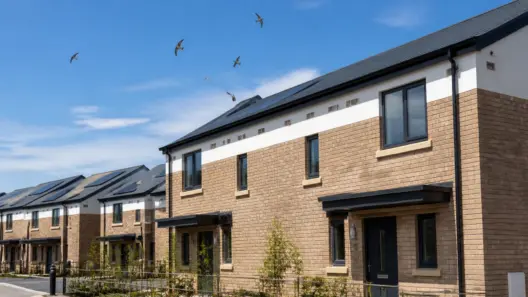
A significant victory for British conservation has been secured in the heart of Dorset, as a critical 110-acre expanse of rare lowland heathland has been officially saved from the threat of private development. The successful acquisition of this land at Upton Heath marks the conclusion of an intensive and urgent fundraising campaign led by the Dorset Wildlife Trust, ensuring that one of the UK’s most precious and fragmented ecosystems remains protected for future generations. This parcel of land, which sits at the very core of the existing Upton Heath nature reserve, was unexpectedly put up for public auction, sparking fears that it could be carved up, fenced off, or subjected to changes in land use that would have devastated local biodiversity.
Lowland heathland is one of the rarest habitats on the planet, often described as being rarer than tropical rainforest. In the United Kingdom, it is estimated that approximately 80 to 90 per cent of this habitat has been lost since the mid-18th century, primarily due to agricultural intensification, forestry, and urban sprawl. What remains is often highly fragmented, making the preservation of large, contiguous blocks like the one at Upton Heath vital for the survival of specialized species that cannot thrive in isolated pockets of greenery. The 110 acres in question represented a "missing piece of the puzzle" for the local reserve, and its loss to private interests would have created a significant barrier to effective landscape-scale conservation.
The campaign to save the site was characterised by an extraordinary outpouring of public support. Conservationists were faced with a tight deadline to raise the necessary funds before the auctioneer’s gavel fell. The successful purchase means that this central block of land will now be integrated into the wider management plan for the Upton Heath nature reserve, allowing for seamless habitat restoration and the creation of essential wildlife corridors. For the residents of Dorset and the wider UK conservation community, the news is a rare and uplifting example of what can be achieved when local action meets a clear ecological necessity.
A Fragile Ecosystem Under Pressure
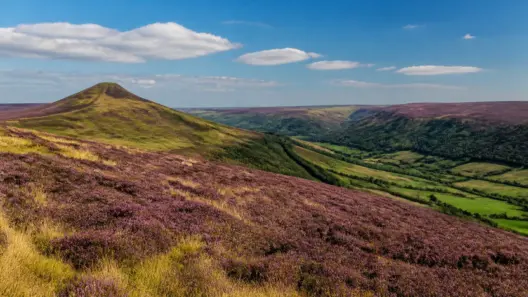
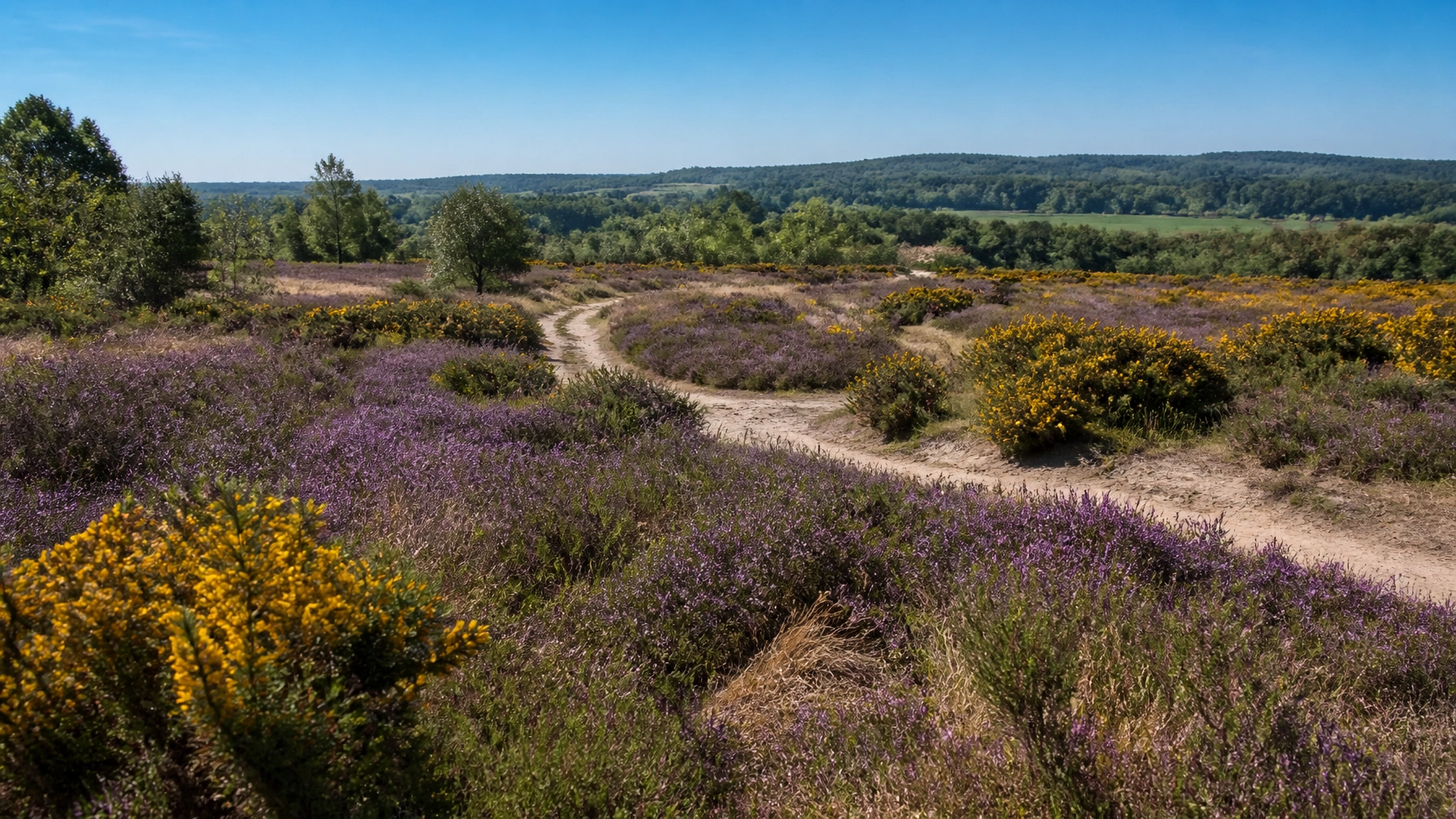
The importance of Upton Heath cannot be overstated in the context of British natural history. It is a rugged, wild landscape dominated by hardy plants such as heather, gorse, and cross-leaved heath, yet beneath this tough exterior lies a delicately balanced ecosystem. Lowland heath thrives on nutrient-poor, acidic soils, a factor that prevents more dominant grasses and trees from taking over, but also makes the habitat incredibly sensitive to change. Even minor increases in soil nutrients or changes in water drainage can lead to the loss of the specific plant communities that rare reptiles and birds rely upon for survival.
Historically, Dorset was covered by vast, unbroken stretches of heathland, a "Hardy-esque" landscape that defined much of the county's character. Today, these areas are reduced to islands in a sea of development. When the 110-acre central block was announced for sale, the primary concern was fragmentation. If the land had been sold to multiple private owners, the ability to manage the heath as a single, functioning unit would have been lost. Fire management, grazing regimes, and invasive species control: all essential for maintaining healthy heathland: require a unified approach. The threat of residential development or the conversion of the land for intensive pony trekking or hobby farming would have introduced disturbances that many of the site's shyest inhabitants simply could not tolerate.
Furthermore, the site acts as a massive carbon sink. The peat-rich soils and dense vegetation of the heath play a role in carbon sequestration, a function that is often overlooked in comparison to woodland. Protecting this land is not just an act of wildlife preservation; it is a contribution to the broader effort to mitigate the effects of climate change. By securing the site, conservationists have ensured that the carbon stored within its soils remains undisturbed, preventing the release of greenhouse gases that would occur if the land were ploughed or drained for other uses.
The Fight for Upton Heath
The road to securing the 110 acres was fraught with tension. When the land was first listed for auction, it sent shockwaves through the local environmental sector. Unlike many land acquisitions that are planned years in advance, this was an emergency situation that required an immediate financial response. The fundraising appeal was launched with a sense of urgency, calling on members of the public, local businesses, and national donors to contribute toward a target that would allow the Trust to bid competitively. The response was nothing short of remarkable, with the goal being reached in a matter of weeks, reflecting a deep-seated public affection for the Dorset landscape.
The auction process itself highlighted the precarious nature of land ownership in the UK and the challenges faced by environmental organisations when competing on the open market. In many cases, conservation groups are outbid by developers who see the potential for high-yield returns. However, the sheer volume of public donations provided the necessary leverage to secure the site before it could be lost to the highest commercial bidder. This victory serves as a blueprint for future "rescue" missions, demonstrating that community-backed funding can effectively challenge the pressures of the real estate market when the stakes for nature are high enough.
With the purchase now complete, the hard work of restoration begins. The land has not always been managed with conservation as the priority, meaning that certain areas have become overgrown with invasive scrub and non-native trees. These "pioneer" species, while green, actually degrade the heathland by shading out the heather and drying out the soil. The management plan will involve the careful removal of these encroaching species to allow the seed bank of native heathers to flourish once again. In time, the landscape will return to the classic mosaic of open sandy patches, dense heather, and boggy hollows that characterize high-quality lowland heath.
Securing a Future for Rare Species
Perhaps the most compelling reason for the site's protection is the wealth of rare wildlife that calls Upton Heath home. Chief among these is the sand lizard, one of the UK’s rarest and most beautiful reptiles. The sand lizard is a habitat specialist, requiring open, sun-drenched sandy patches for egg-laying and dense heather for cover and hunting. Because they are not highly mobile, sand lizards are particularly vulnerable to habitat fragmentation; if their home is destroyed, they cannot simply move to the next field. The 110-acre acquisition provides a massive boost to the local sand lizard population, ensuring they have the space they need to expand their range.
The heath is also a stronghold for the smooth snake, the UK’s rarest serpent, which is so secretive that it is seldom seen even by experienced naturalists. Alongside these reptiles are the iconic birds of the heath, such as the Dartford warbler and the nightjar. The Dartford warbler, a small, dark bird with a striking red eye, is a permanent resident of the heathland and relies on mature gorse for nesting and protection during the harsh winter months. The nightjar, a mysterious nocturnal visitor that migrates from Africa to breed on the heath, relies on the open ground for nesting and the abundance of moths and insects for food. Both species require large, undisturbed territories to breed successfully.
By saving this land, the community has provided a lifeline for these species. The restoration of the 110 acres will not only protect existing populations but will also allow for the reintroduction of species that may have been lost from the area in the past. It is a long-term commitment to the biological diversity of Dorset. As the heather returns and the reptiles reclaim the sandy tracks, this "wild win" will stand as a testament to the power of collective action in the face of ecological loss. The fences will remain down, the views will remain open, and the unique chorus of the heath: from the mechanical churring of the nightjar to the sharp call of the Dartford warbler: will continue to be heard for decades to come.