A pioneering initiative designed to safeguard the marine environment while providing life-changing career opportunities has officially made its debut in British waters.
The Sea Ranger Service, an innovative social enterprise originally founded in the Netherlands, has expanded its operations to the United Kingdom, specifically targeting the vibrant yet often overlooked coastal communities of South Wales. By combining intensive maritime training with large-scale environmental restoration projects, the programme aims to tackle two of the most pressing challenges of the modern era: youth unemployment in coastal regions and the accelerating decline of ocean health.
Operating from the industrial hub of Port Talbot, the first cohort of UK Sea Rangers is already preparing to undertake missions across the Celtic Sea. Unlike traditional volunteer-led conservation efforts, this project is built on a professional employment model. It offers paid roles to young people aged between 18 and 29, specifically those who may have lacked the formal qualifications or financial means to enter the maritime or environmental sectors through traditional university routes. This approach acknowledges that those living closest to the coastline are often the best-placed to become its most dedicated guardians, provided they are given the right tools and support.
The expansion into the United Kingdom marks a significant milestone for the organisation, which has spent nearly a decade refining its model in mainland Europe. Since its inception in 2016, the service has demonstrated that it is possible to run a commercially viable maritime operation that prioritises social impact and ecological restoration over simple profit. With the UK possessing one of the longest and most diverse coastlines in Europe, the potential for scaling this model is immense. The arrival of the service is not just a win for the environment, but a significant boost for local economies that have historically struggled with the decline of traditional seaside industries.
A New Horizon for Coastal Youth Employment
At the heart of the Sea Ranger Service is a commitment to social mobility and the empowerment of young Britons from predominantly deprived coastal regions. The recruitment process is deliberately designed to be accessible but rigorous, beginning with an intensive selection "bootcamp." During this period, applicants are tested on their resilience, teamwork, and physical capability to handle the demanding conditions of life at sea. For many participants, this is their first introduction to the disciplined environment of a working vessel, and for many, it is a transformative experience that builds confidence and a sense of purpose.
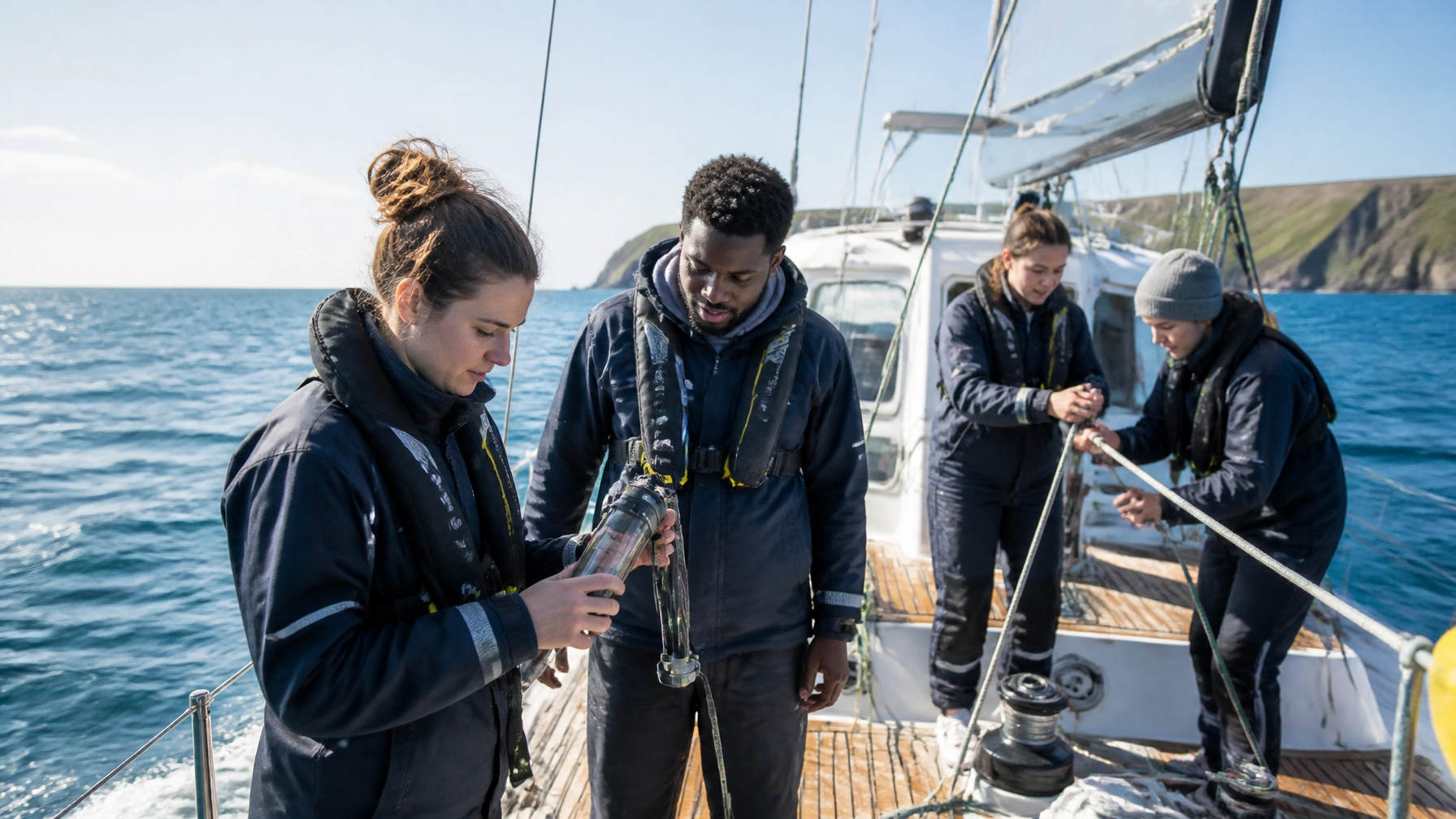
Once selected, the Sea Rangers undergo comprehensive training delivered by a team of Royal Navy veterans. This unique mentorship model bridges the gap between generations, allowing former service personnel to pass on their vast experience in seamanship, navigation, and maritime safety to a new generation. The training is not merely theoretical; it is hands-on and immersive, ensuring that every recruit is fully equipped to handle the complexities of offshore operations. By the end of their tenure, these young people have transformed from novices into skilled maritime professionals, possessing certifications and experience that make them highly employable in the wider blue economy.
The financial aspect of the programme is equally important. By providing a competitive salary rather than relying on volunteers, the Sea Ranger Service ensures that background or economic status is not a barrier to entry. This is particularly crucial in areas like Port Talbot, Grimsby, and Portsmouth: regions earmarked for future expansion: where young people often feel forced to move away to find meaningful work. By creating high-quality, local green jobs, the programme helps to revitalise these communities, proving that the transition to a sustainable economy can be inclusive and equitable for everyone involved.
Sailing for Science and Marine Biodiversity
The vessels used by the Sea Rangers are as innovative as the programme itself. Eschewing the heavy, carbon-intensive ships common in the maritime industry, the service utilises specially designed, sail-powered work ships. These modern sailing vessels are highly efficient and significantly reduce the environmental footprint of offshore work. Their quiet operation is also a major advantage for marine life, as it minimises acoustic disturbance in sensitive habitats. On board, the Sea Rangers carry out a wide variety of tasks that are essential for the health of our oceans, from monitoring water quality to conducting wildlife surveys.
One of the primary focuses of the UK operation is the restoration of lost seagrass meadows. Often referred to as the "lungs of the ocean," seagrass is an incredibly effective carbon sink, capable of capturing carbon dioxide up to 35 times faster than tropical rainforests. However, the UK has lost more than 90% of its seagrass over the last century due to pollution and coastal development. Working in collaboration with dedicated conservation partners, the Sea Rangers assist in the painstaking work of replanting these vital habitats, which in turn support vast ecosystems of fish, seahorses, and other marine species.
Beyond biodiversity, the service provides critical data collection for climate research and ocean management. By spending weeks at sea, the rangers can monitor remote areas that are often neglected by larger research institutions. They also play a role in the emerging offshore renewable energy sector, assisting with the inspection and monitoring of offshore wind farm sites. This synergy between environmental protection and industrial support demonstrates how the Sea Ranger Service acts as a bridge between the needs of the planet and the requirements of a modern, sustainable economy.
Charting a Course for Global Ocean Recovery
The vision of the Sea Ranger Service extends far beyond the shores of the United Kingdom. It is part of an ambitious global strategy to restore one million hectares of ocean biodiversity by the year 2040. To achieve this, the organisation plans to train and deploy 20,000 young people into maritime careers worldwide. The UK launch is a critical pillar of this plan, serving as a template for how the model can be adapted to different national contexts and regulatory environments. As the programme grows, it is expected to create a global network of skilled ocean guardians who can share knowledge and best practices across borders.
In the UK, the long-term goals are equally bold. Following the successful establishment of the Port Talbot hub, plans are already in motion to expand to Portsmouth and Grimsby. This will eventually create a network of Sea Ranger hubs around the British Isles, providing a continuous presence in our territorial waters. The organisation is also deepening its partnerships with government agencies and industry leaders, including major collaborations aimed at creating social value within coastal communities. These partnerships ensure that the work of the Sea Rangers is integrated into the national strategy for marine conservation and maritime security.
Ultimately, the success of the Sea Ranger Service will be measured not just by the hectares of seagrass restored or the tons of carbon sequestered, but by the lives it changes. For the hundreds of young people who will pass through the programme in the coming years, this is more than just a job; it is an entry point into a lifelong career dedicated to the sea. By providing a clear pathway from recruitment to professional maritime employment, the service is ensuring that the future of our oceans is in the hands of a dedicated, diverse, and highly skilled generation. As these new guardians of the deep take to the waves, they carry with them the hope of a healthier, more resilient marine world for all.