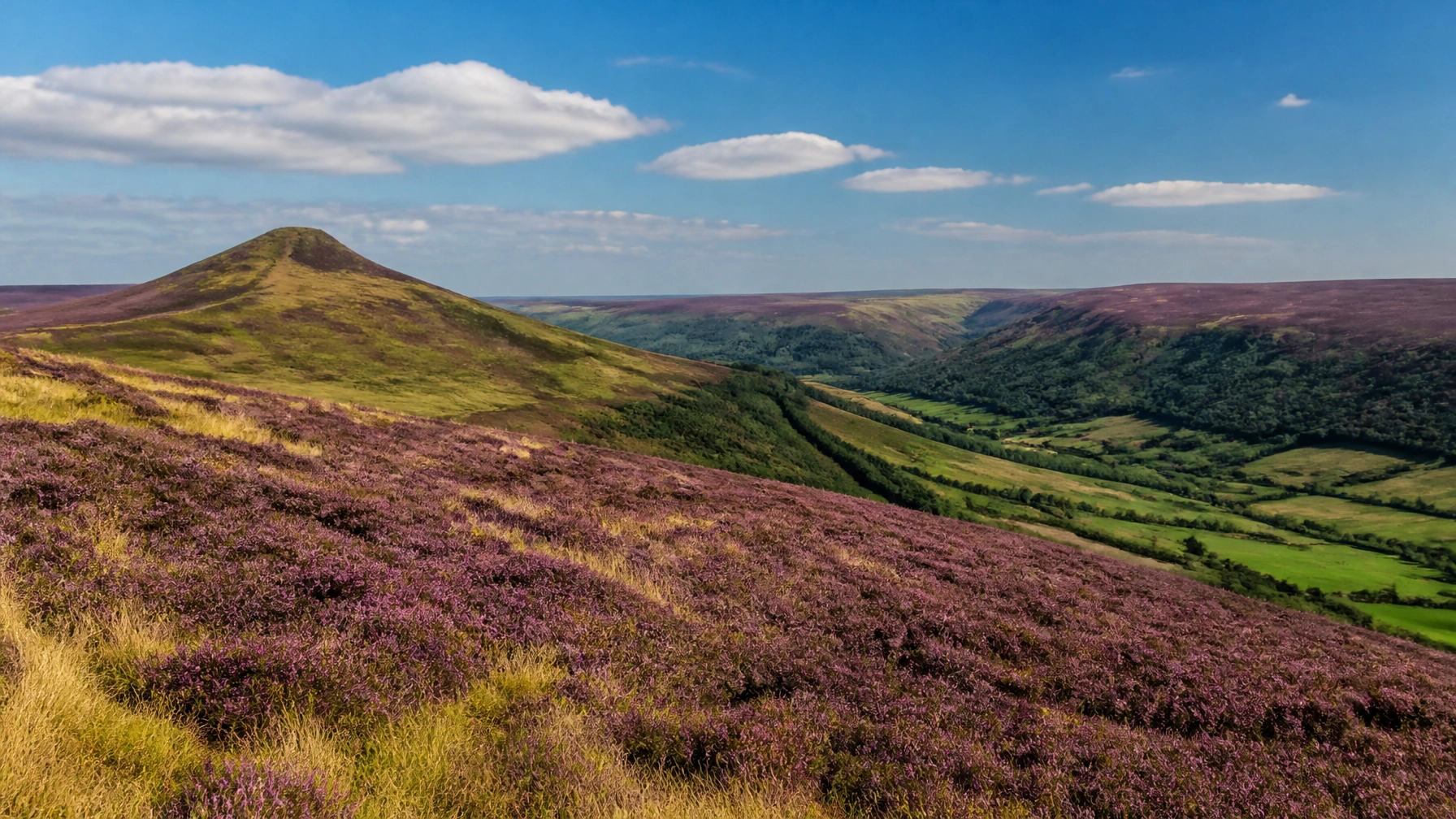
The rolling hills and purple-clad moors of North Yorkshire have long been a sanctuary for hikers and tourists, but a pioneering new project is now transforming this iconic landscape into a formal tool for clinical recovery. The North York Moors National Park is currently the testing ground for what is being described as the UK’s first "Protected Landscape-led Natural Health Service." Backed by a £100,000 investment from the York and North Yorkshire Combined Authority and the UK Government’s Shared Prosperity Fund, the initiative is proving that the answer to some of our most persistent modern health crises: loneliness, anxiety, and social isolation: might lie in the simple act of reconnecting with the earth.
This isn't merely a walking group or a casual outing into the countryside. It is a structured, evidence-based pilot designed to integrate the natural world directly into the regional health and social care system. As the National Health Service continues to face unprecedented pressure, with mental health referrals reaching record highs and the social care sector struggling to keep pace, the "Natural Health Service" offers a preventive, holistic alternative. By intervening early through nature-based therapy, the project aims to reduce the long-term burden on traditional medical services while providing participants with a sustainable sense of purpose and community.
The pilot is led by the North York Moors Trust, working in close collaboration with various local partners. It targets individuals who are often the most difficult to reach within the current system: those struggling with addiction, long-term unemployment, the heavy burden of caring responsibilities, and the debilitating effects of chronic loneliness. In a county like North Yorkshire, where geographical isolation can exacerbate mental health struggles, the project leverages the region's greatest asset: its vast, tranquil green and blue spaces: to create a bridge back to social and physical wellbeing.
A Holistic Approach to Community Recovery
At the heart of this pilot is a carefully curated 10-week intervention programme. Unlike generic outdoor activities, these sessions are designed to be progressive, moving participants through stages of sensory awareness, creative engagement, and practical skill-building. The programme acknowledges that for many people suffering from severe anxiety or social withdrawal, simply "going for a walk" is a daunting prospect. Instead, the sessions focus on "nature connection," a specific psychological term that refers to the emotional and cognitive relationship a person has with the natural environment.
The activities are varied and tactile. Participants might find themselves engaged in sensory walks, where the focus is shifted away from internal anxieties and toward the sounds, smells, and textures of the moorland. Others participate in creative workshops, using natural materials to produce art, or practical skills sessions that might involve traditional land management techniques or outdoor cooking. These tasks are not just about keeping busy; they are designed to rebuild confidence and agency. For someone who has felt sidelined by illness or unemployment, successfully navigating a new skill in a supportive, non-clinical environment can be a powerful catalyst for change.
One of the early success stories of the pilot involves its work with York Carers. Those who spend their lives looking after others: often children or adults with complex additional needs: frequently find their own health neglected. The pilot provided these carers with essential respite, offering them a space where they were the ones being cared for. By removing them from the high-stress environment of the home and placing them in the expansive, quiet landscape of the moors, the programme allowed them to decompress and reconnect with their own identities outside of their caring roles.
Measuring the Impact on Mental Health
The success of the pilot is being tracked not just through anecdotal evidence, but through rigorous participation data and professional training metrics. Since the project’s inception, it has already trained 148 professionals across a wide spectrum of sectors, including health, housing, environment, and even criminal justice. This "train-the-trainer" model ensures that the benefits of the Natural Health Service ripple out far beyond the immediate participants. By educating social prescribers and front-line workers on how to effectively refer individuals into nature-based programmes, the pilot is building a robust infrastructure for the future.
The first cohort of 50 participants has already begun to show the tangible benefits of the 10-week cycle. Early feedback indicates significant reductions in self-reported loneliness and a marked increase in physical activity levels. Loneliness is increasingly recognised as a major public health threat, comparable to smoking fifteen cigarettes a day in terms of its impact on physical health. In rural North Yorkshire, where the nearest neighbour might be miles away, the social component of the Natural Health Service is just as vital as the environmental one. The groups provide a safe, consistent social circle where people can share their experiences without the stigma often attached to clinical settings.
This preventive approach is particularly relevant for the younger generation and those facing the "cost of living" crisis. Financial stress and job insecurity are major drivers of mental health decline, often leading to a cycle of withdrawal and worsening health. By offering a free, accessible resource that builds resilience and community ties, the pilot acts as a safety net. The goal is to move away from a "fix it when it’s broken" model of healthcare towards one that prioritises the maintenance of wellbeing through regular, meaningful engagement with the world around us.
Scaling the Natural Health Service Model
As the pilot progresses, the eyes of the country are on North Yorkshire. With approximately half of the county comprised of national parks, national landscapes, and dark sky reserves, the region is uniquely positioned to lead this movement. However, the principles being tested on the moors are applicable nationwide. The idea of using protected landscapes as "health assets" represents a significant shift in how we value our environment. It moves the conversation beyond conservation for its own sake and toward a model where the health of the land and the health of the people are seen as inextricably linked.
The York and North Yorkshire Combined Authority has expressed strong support for the initiative, framing it as a cornerstone of the regional "Moving Forward" campaign. The ambition is to create a blueprint that can be replicated in other parts of the UK, from the rugged coastlines of Cornwall to the urban green belts of the Midlands. If the pilot can demonstrate a sustained reduction in GP visits and a measurable improvement in the quality of life for its participants, it will make a compelling case for nature-based interventions to be permanently funded as part of the core NHS offer.
Ultimately, the North Yorkshire pilot is about more than just health statistics; it is about restoring a sense of belonging. In an increasingly digital and disconnected world, the moors provide a reminder of the slow, enduring rhythms of nature. For the fifty individuals in the first cohort, and the many more expected to follow, the Natural Health Service is providing a path out of the shadows. It is proof that sometimes, the most effective medicine doesn't come in a bottle, but in the wind across the heather and the shared silence of a sun-drenched valley.