The sheer scale of the disaster that unfolded at the Liushenyu coal mine in Qinyuan county is only now beginning to be fully realised. In what is being described as one of the deadliest industrial accidents in recent memory, a massive gas explosion ripped through the underground tunnels of the facility on Friday evening. The latest reports from the ground confirm a staggering death toll of at least 190 workers, with another nine individuals still missing deep within the treacherous remains of the mine. As families wait in agonising silence for news of their loved ones, the incident has cast a dark shadow over the northern province of Shanxi and raised urgent, uncomfortable questions about the cost of industrial progress.
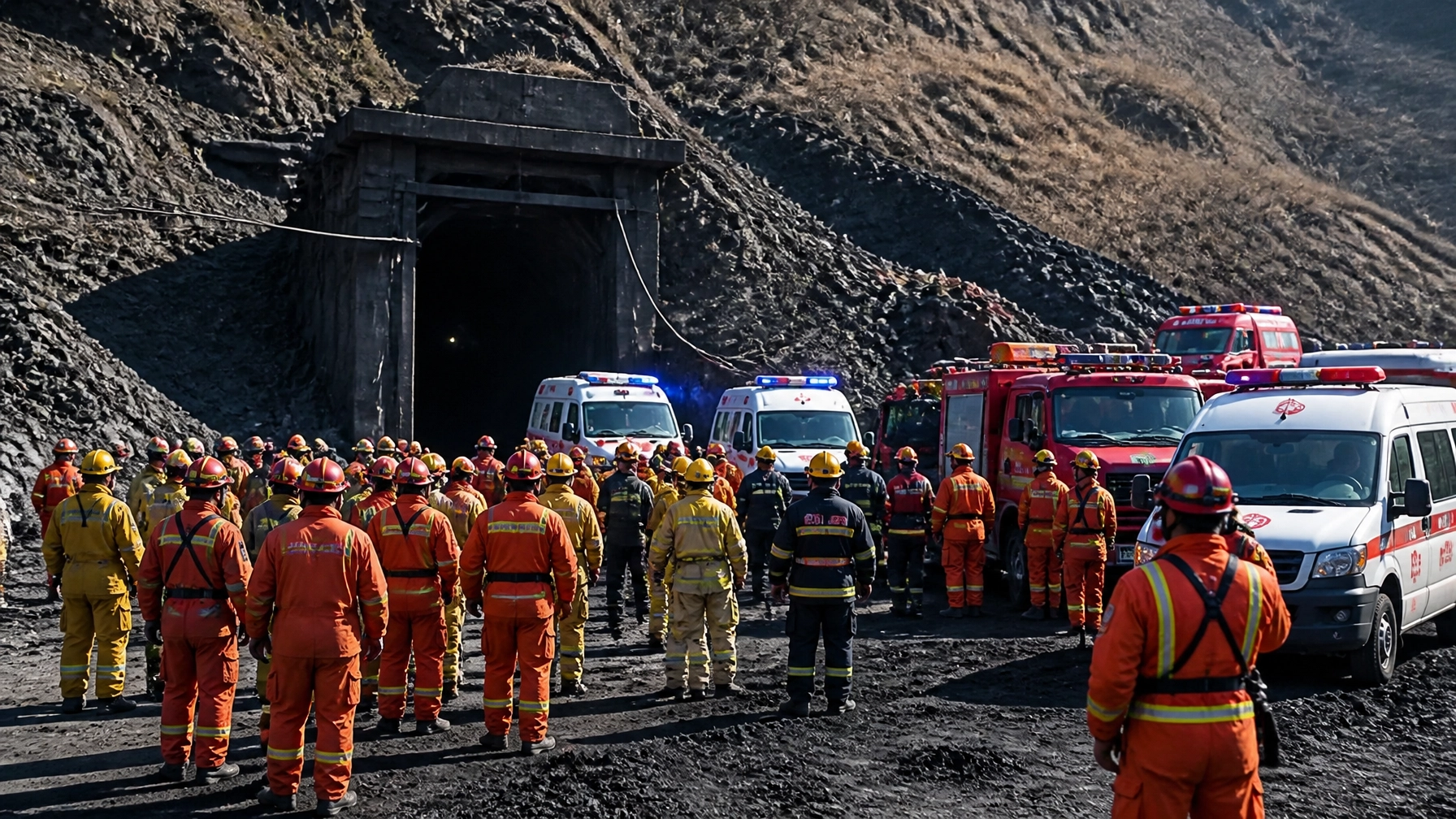
The explosion occurred around 7:30 p.m. local time, a moment when the shift change meant a high concentration of miners were present in the shafts. Of the 247 workers who were documented as being underground at the time of the blast, only a fraction managed to reach the surface unaided. The force of the detonation was reportedly so powerful that it caused structural collapses in several secondary tunnels, cutting off escape routes and complicating the efforts of emergency responders who arrived within minutes. For hours, the area surrounding the mine entrance was a scene of controlled chaos, with thick plumes of grey smoke rising against the evening sky as specialized rescue teams prepared to descend into the abyss.
A catastrophic failure of safety protocols
Initial investigations into the cause of the tragedy point towards a concentrated build-up of methane gas, a persistent and lethal threat in the deep-level mining operations that characterise this region of China. While the exact ignition source remains under scrutiny, the very presence of such high levels of flammable gas suggests a fundamental breakdown in the ventilation and monitoring systems that are supposed to protect those working at the coal face. Despite official claims of rigorous safety standards, the reality on the ground in Qinyuan suggests a different story: one of corners being cut and warnings being ignored in the relentless pursuit of production targets.
This disaster does not exist in a vacuum. It follows a series of smaller, yet significant, safety violations reported at similar facilities across the province over the last year. Independent observers have long pointed out that while national regulations on paper are strict, the enforcement at a local level is often compromised by the immense pressure to meet energy demands. In the case of the Liushenyu mine, survivors have begun to speak out about malfunctioning gas sensors and inadequate emergency drills, painting a picture of a facility that was a ticking time bomb. The catastrophic failure of these protocols has not just resulted in the loss of equipment or production; it has wiped out an entire generation of breadwinners from the surrounding villages.
The technical nature of the rescue operation highlights the danger that still lingers within the mine. High levels of carbon monoxide and the risk of secondary explosions have slowed the progress of the search teams. Using specialised robots and oxygen-fed breathing apparatus, rescuers have had to painstakingly clear debris to reach the lower levels where the majority of the missing are believed to be trapped. Every hour that passes diminishes the hope of finding anyone alive, yet the search continues under the glare of industrial floodlights. The grim task of recovering bodies has become the primary focus, as the community prepares for a wave of funerals that will leave few households untouched.
The human cost of the global energy race
The tragedy in Qinyuan is a brutal reminder of the human cost that underpins the global energy market. As the world continues to demand vast quantities of coal to power industries and maintain electrical grids, the burden of extraction falls on the shoulders of workers who operate in some of the most dangerous conditions on earth. For the miners of Shanxi, the risk is a daily reality, accepted only because of the lack of alternative employment in an economy heavily dependent on the extraction of natural resources. The 190 lives lost in this explosion represent fathers, sons, and brothers whose absence will be felt for decades to come, leaving behind a legacy of grief and economic hardship for their dependants.
In the aftermath of such a massive loss of life, the narrative often shifts quickly to statistics and technical reports, but the personal stories emerging from Qinyuan are heart-breaking. Families who moved to the area specifically for the relatively high wages of the mining sector now find themselves destitute, facing a future without any clear path forward. The social fabric of these mining towns is built around the mine; when it fails, the entire community suffers a collective trauma. There are reports of elderly parents waiting at the gates for sons who will never return, and children who do not yet understand why their fathers haven't come home from their shift. This is the true price of the coal that fuels our modern existence: a price paid in blood and tears by those at the bottom of the supply chain.
The global community often views these disasters as isolated incidents in far-flung corners of the world, but they are intrinsically linked to the broader patterns of consumption and the slow transition to safer energy sources. As long as the demand for cheap, carbon-intensive energy remains high, there will always be a drive to extract coal faster and deeper, often at the expense of human life. The 190 dead in Qinyuan are not just victims of a gas explosion; they are casualties of a systemic failure to value human safety over industrial output. The hard-hitting truth is that until the global energy race prioritises the lives of the workers as much as the weight of the coal, these tragedies will continue to occur with devastating regularity.
Systemic silence and the need for accountability
One of the most concerning aspects of this disaster is the initial attempt to control the flow of information. In the early hours following the blast, conflicting reports emerged regarding the number of casualties, with official channels providing much lower figures than those being shared by witnesses and local volunteers. This pattern of information management is a common feature of industrial accidents in the region, designed to mitigate public anger and protect the reputations of those in charge. However, the sheer magnitude of the Qinyuan explosion made it impossible to hide the truth for long. The discrepancy between the initial reports and the current death toll of 190 highlights a deep-seated culture of systemic silence that hinders genuine reform.
Accountability must go beyond the immediate supervisors at the mine site. It must extend to the regulatory bodies that granted safety certifications and the corporate entities that profited from the mine's operation. There are growing calls for an independent inquiry into the Liushenyu disaster, one that is free from the influence of local political interests. Such an inquiry would need to examine the financial ties between the mining company and safety inspectors, as well as the internal communications regarding previous safety concerns that were allegedly brushed aside. Without a transparent process of accountability, the lessons of Qinyuan will be lost, and the cycle of neglect will continue.
The international community, including independent news outlets and alternative news sites, has a crucial role to play in keeping the spotlight on these issues. By refusing to let the story fade from the headlines, we can pressure authorities to implement real changes rather than superficial fixes. The families of the 190 victims deserve more than just financial compensation; they deserve the truth about why their loved ones were sent into a death trap. They deserve a commitment that no other family will have to endure the same agony. As the rescue operation winds down and the recovery of the missing nine continues, the world must not look away. The tragedy in Qinyuan is a clarion call for a fundamental shift in how we approach industrial safety and human rights in the global energy sector. Only through relentless pursuit of the truth and a refusal to accept the status quo can we hope to prevent the next disaster from claiming more innocent lives.