The scale of the devastation at the Liushenyu Coal Mine in Qinyuan County is only now becoming fully apparent as rescue teams reach the deepest levels of the facility. What began as a routine shift in the heart of China’s coal country has transformed into one of the deadliest industrial disasters in recent memory. Local authorities have confirmed that the death toll has risen sharply to 190, following a catastrophic gas explosion that ripped through the underground tunnels late on Friday afternoon. The blast, which occurred approximately 400 metres below the surface, sent shockwaves through the surrounding landscape and has left a community in the Shanxi province reeling from the sudden and violent loss of life.
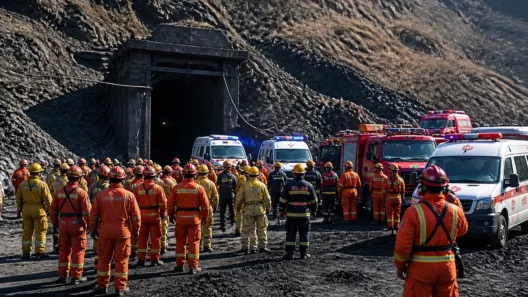
At the time of the explosion, 247 miners were documented as being underground. While early reports suggested a lower casualty rate, the severity of the structural collapses within the mine shafts has hampered initial headcounts. For the families gathered at the perimeter of the cordoned-off site, the hope of finding further survivors is rapidly diminishing. The explosion was so powerful that it destroyed ventilation systems and triggered secondary roof falls, making the air quality within the remaining pockets of the mine toxic and volatile. Emergency workers, dressed in thick protective gear and equipped with advanced breathing apparatus, have been working in rotating shifts of twenty minutes to navigate the scorched and unstable passageways.
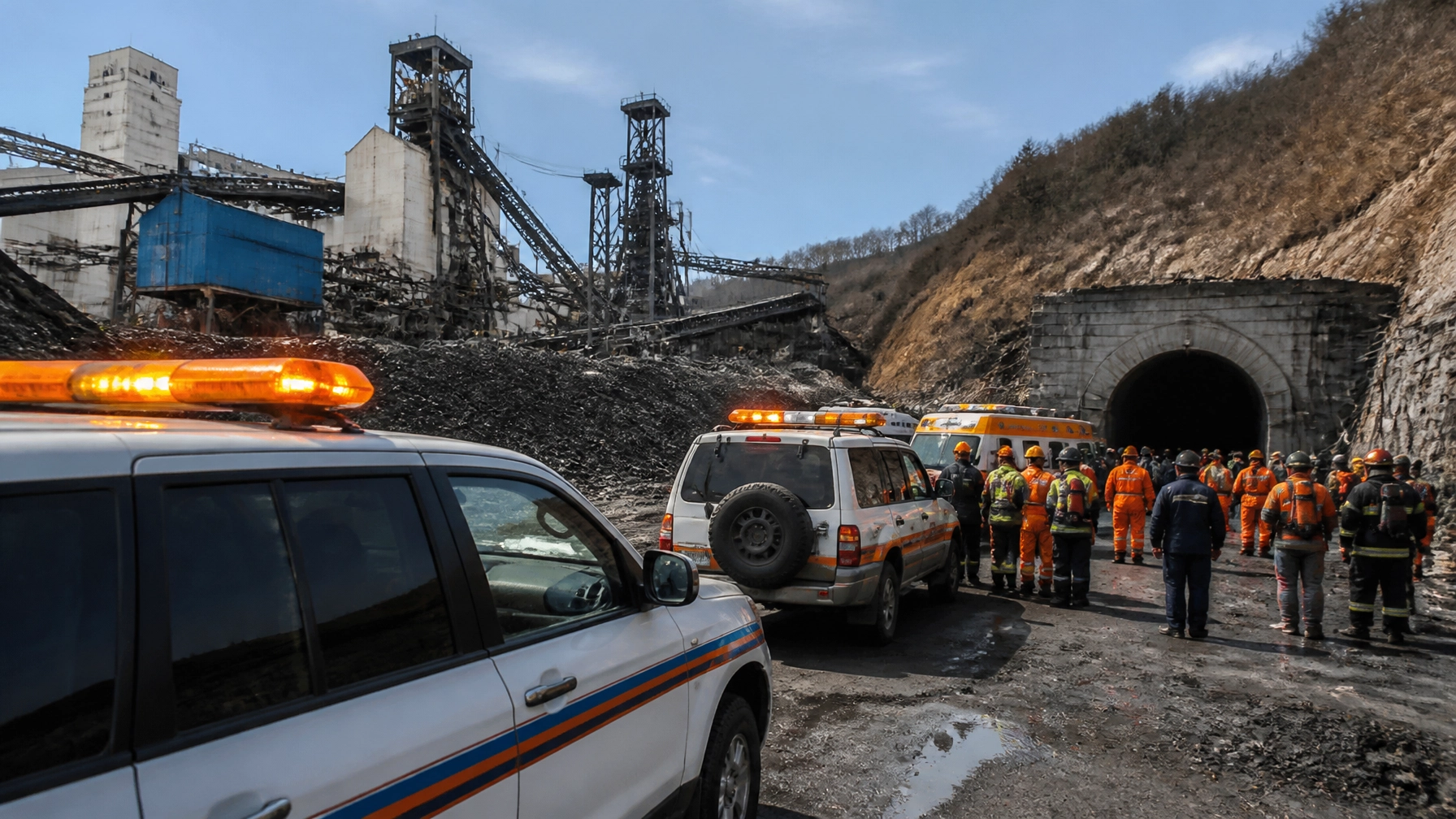
The Liushenyu facility is a significant operation in the Changzhi region, a part of the country that remains the backbone of the domestic energy sector. However, the intensity of this particular incident has raised immediate and uncomfortable questions regarding the safety protocols in place at the site. Witnesses from the nearby village of Qinyuan described a sound like a distant roll of thunder, followed by a visible plume of dust and smoke rising from the main elevator shaft. In the hours that followed, the narrow roads leading to the mine were choked with ambulances and heavy lifting equipment, as regional commanders scrambled to coordinate a response that has now grown to include over 1,000 specialised personnel from across the province.
The Search for Survivors Amidst Subterranean Ruins
The logistical challenge of the rescue operation cannot be overstated. As the search entered its third day, teams were forced to manually clear debris from several key junctions where the blast had completely sealed off access to the lower galleries. The 190 confirmed dead represent a cross-section of the local workforce, including many experienced miners who had spent decades working the rich seams of the Shanxi basin. According to officials on the ground, the recovery of bodies has been a slow and somber process, with many victims found near the blast epicentre where they stood little chance of escape. The intensity of the heat produced by the gas ignition was such that structural steel beams were warped, and heavy machinery was tossed like scrap metal through the tunnels.
Despite the harrowing conditions, rescue crews have refused to abandon the search for those still missing. Small, specialised robotic units have been deployed into crevices too narrow or dangerous for human entry, equipped with thermal imaging and carbon monoxide sensors. These machines have provided the only eyes in areas where the risk of a secondary explosion remains high. The concentration of methane gas, which is believed to have been the catalyst for the disaster, fluctuated wildly in the hours following the initial breach. Engineers have been working feverishly to restore partial power to the ventilation fans, a delicate task given that any spark could potentially ignite remaining pockets of gas trapped behind the collapsed rock walls.
For the 57 miners who were successfully evacuated or rescued in the immediate aftermath, the psychological toll is profound. Many were treated for severe smoke inhalation and burns at hospitals in Changzhi and the provincial capital, Taiyuan. Survivors spoke of a sudden, deafening "whoosh" of hot air that knocked them to the ground, followed by total darkness as the power grid failed. The bravery of those who assisted their colleagues in the dark, navigating by memory and the dim glow of helmet lamps, has been one of the few silver linings in an otherwise bleak weekend for the region. However, as the number of confirmed fatalities continues to climb toward the official count of 190, the focus has shifted from rescue to the grim reality of recovery and identification.
Investigation Points to Serious Regulatory Violations
As the dust begins to settle on the physical rescue site, a different kind of pressure is mounting on the mine’s operators. Preliminary findings from the provincial safety bureau suggest that the Liushenyu Coal Mine may have been operating in direct violation of several key safety mandates. Inspectors had reportedly visited the site earlier this year, flagging concerns regarding the sensitivity and maintenance of the methane monitoring sensors. It is now a central theory of the investigation that these sensors failed to trigger an automatic evacuation when gas levels reached critical thresholds, or worse, that they had been tampered with to prevent production delays.
The central government has historically taken a hard line on industrial negligence, and this case appears to be no different. Several high-ranking executives from the mining company have already been detained for questioning, and their personal and corporate assets have been frozen pending the outcome of a full forensic audit. The rhetoric from the capital has been one of "zero tolerance," with officials promising that those responsible for the 190 deaths will face the full weight of the law. This disaster comes at a sensitive time for the energy industry, which has been under immense pressure to meet rising demand while simultaneously being told to improve its tarnished safety record. The contradiction between high-speed production and rigorous safety checks is a tension that remains at the heart of many such industrial tragedies.
Furthermore, there are allegations that the mine had exceeded its legal daily output capacity in the weeks leading up to the explosion. Overproduction often leads to a neglect of essential maintenance tasks, such as the dusting of coal tunnels with stone dust to prevent the spread of coal dust explosions: a secondary hazard that can turn a localised gas pop into a mine-wide catastrophe. Investigators are currently reviewing digital logs and paper records seized from the mine’s administrative offices to determine if there was a systemic culture of prioritising profit over the lives of the workers. The paper trail will be crucial in establishing whether the 190 deaths were an unavoidable accident or the predictable result of corporate greed.
A Community Burdened by Grief and Uncertainty
Beyond the statistics and the legal proceedings, the human cost of the Shanxi explosion is felt most acutely in the small mining towns that dot the landscape. In Qinyuan, almost every household has a connection to the Liushenyu mine. The loss of 190 men: many of them the sole breadwinners for their families: has created a social and economic void that will take generations to fill. Temporary counselling centres have been established in local schools, but the atmosphere in the streets is one of quiet, heavy grief. The ritual of waiting at the mine gates has been replaced by the preparation of funeral rites, as the bodies of the victims are slowly returned to their families.
The impact on the local economy will be equally severe. With the mine likely to remain closed indefinitely for the duration of the investigation, hundreds of other workers are now facing an uncertain future. The ripple effect extends to the small businesses, transport companies, and service providers that rely on the mine’s operation. Provincial authorities have announced a compensation package for the families of the deceased, but for many, no amount of financial aid can replace a father, a son, or a brother. There is also a growing sense of frustration among the local population, who have seen similar disasters occur in other parts of the province over the years. They are demanding more than just words and one-off payments; they are calling for a fundamental shift in how the industry is regulated and how the lives of miners are valued.
As the international community looks on, the tragedy in Shanxi serves as a stark reminder of the hidden costs of the global energy supply chain. While coal remains a vital component of the modern world’s infrastructure, the conditions under which it is extracted often remain obscured until a disaster of this magnitude occurs. The 190 lives lost at the Liushenyu Coal Mine represent a failure of technology, a failure of oversight, and a failure of corporate responsibility. As the search lights continue to sweep the darkened hillsides of Qinyuan tonight, the only certainty is that the scars left by this explosion will remain a permanent fixture of the Shanxi landscape, a silent monument to a day when the earth took back far more than it gave.