For years, the four walls of Sarah Walton’s home in Trafford had felt less like a sanctuary and more like a slow-motion collapse. People often hear about the housing crisis in the abstract: numbers on a spreadsheet, debates in Westminster, or a fleeting mention on the evening news: but for Sarah, a single mother, the reality was etched into the damp patches on her ceiling and the draughts that whistled through ill-fitting frames. It was a home that had been forgotten by the systems designed to protect it, and for a long time, Sarah felt she had been forgotten too. The garden was a tangle of overgrowth that seemed to mirror the mounting stress of daily life, and the interior, once a place of pride, had succumbed to the grinding wear and tear that comes when there is simply no money left over at the end of the month for "extras" like paint or repairs. It wasn’t just a house in disrepair; it was a life being lived in the shadows of neglect.
This is the side of Britain we don't always like to talk about. It’s the "untold stories" of families who are working hard, doing everything right, yet still finding themselves treading water in a sea of rising costs and decaying infrastructure. The hard truth is that Sarah’s situation isn't an isolated incident. Across Trafford and the wider Greater Manchester area, there are hundreds of homes where the boiler is a ticking time bomb and the wallpaper is the only thing holding the plaster together. For Sarah, the struggle wasn't just about the physical state of the building; it was about the psychological weight of living in a space that felt like it was failing her and her children. When you’re constantly fighting to keep the mould at bay or worrying about a leaking roof, there’s very little energy left for anything else. The system, frankly, had let her down, leaving a mother to cope with a mounting list of repairs that would have been daunting for a professional contractor, let alone a parent on a tight budget.
The Arrival of Project 33
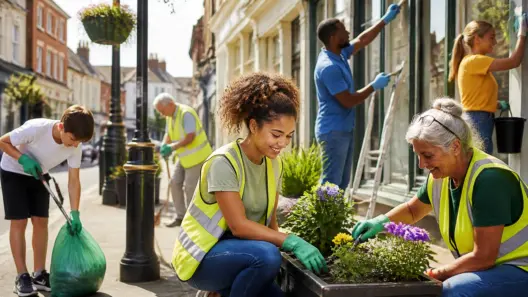
Then came the sound of a van door slamming and the sight of forty people in high-visibility vests. This wasn't a council inspection or a debt collector; it was the arrival of Project 33. For those unfamiliar with the name, Project 33 is a group of volunteers who have made it their mission to tackle the "shambles" of neglected homes through sheer force of will and community spirit. They don't wait for committee meetings or government grants. They find a story that needs telling and a home that needs fixing, and they get to work. When they heard about Sarah’s situation, they didn’t just send a sympathetic letter; they mobilised a small army of tradespeople, DIY enthusiasts, and general-purpose legends who were willing to give up their weekend for a stranger.
The atmosphere in Trafford shifted almost instantly. What had been a quiet, somewhat somber street was suddenly buzzing with the kind of energy you usually only see at a festival or a particularly well-organised riot. Skips were dropped off, rolls of carpet were hauled out of vans, and the smell of fresh timber and industrial-strength cleaning products filled the air. There’s something profoundly moving about seeing forty people, most of whom had never met Sarah, descending on her property with the sole intention of making it better. It’s a reminder that while the "system" might be broken, the people living within it are often anything but. These were the "untold stories" of human interest in action: not a headline about policy, but a group of blokes and women with hammers and paintbrushes, ready to reclaim a home from the brink.
Forty Hands and Forty-Eight Hours
The clock was ticking. The goal was to transform the entire house in just forty-eight hours, a feat that would make most professional renovation shows look like they were working in slow motion. As the first coat of paint went onto the walls in the living room, the transformation began to take shape. It wasn't just about aesthetics; it was about dignity. The volunteers worked in shifts, fuelled by endless rounds of tea and the occasional tray of biscuits brought over by supportive neighbours. There was a plumber fixing the leaks that had plagued the kitchen for years, an electrician replacing dodgy wiring that had been a constant source of anxiety, and a team of gardeners who were quite literally hacking back years of neglect to find the lawn underneath.
The level of coordination was staggering. Project 33 operates like a well-oiled machine, but with a heart. Every person there knew why they were working until their muscles ached. They weren't just painting a wall; they were providing a fresh start for a family that desperately needed one. By the second day, the house was unrecognisable. The damp, grey tones that had dominated the interior were replaced by bright, clean finishes that reflected the Manchester sun through now-sparkling windows. The witty banter between the volunteers kept the mood light, even as the fatigue set in. There’s a certain kind of British resilience that comes out in these situations: a refusal to be beaten by a stubborn bit of wallpaper or a particularly difficult plumbing job. By the time the final touch-ups were being made, the air of quiet desperation that had hung over the house for years had been completely blown away.
A New Chapter in Trafford
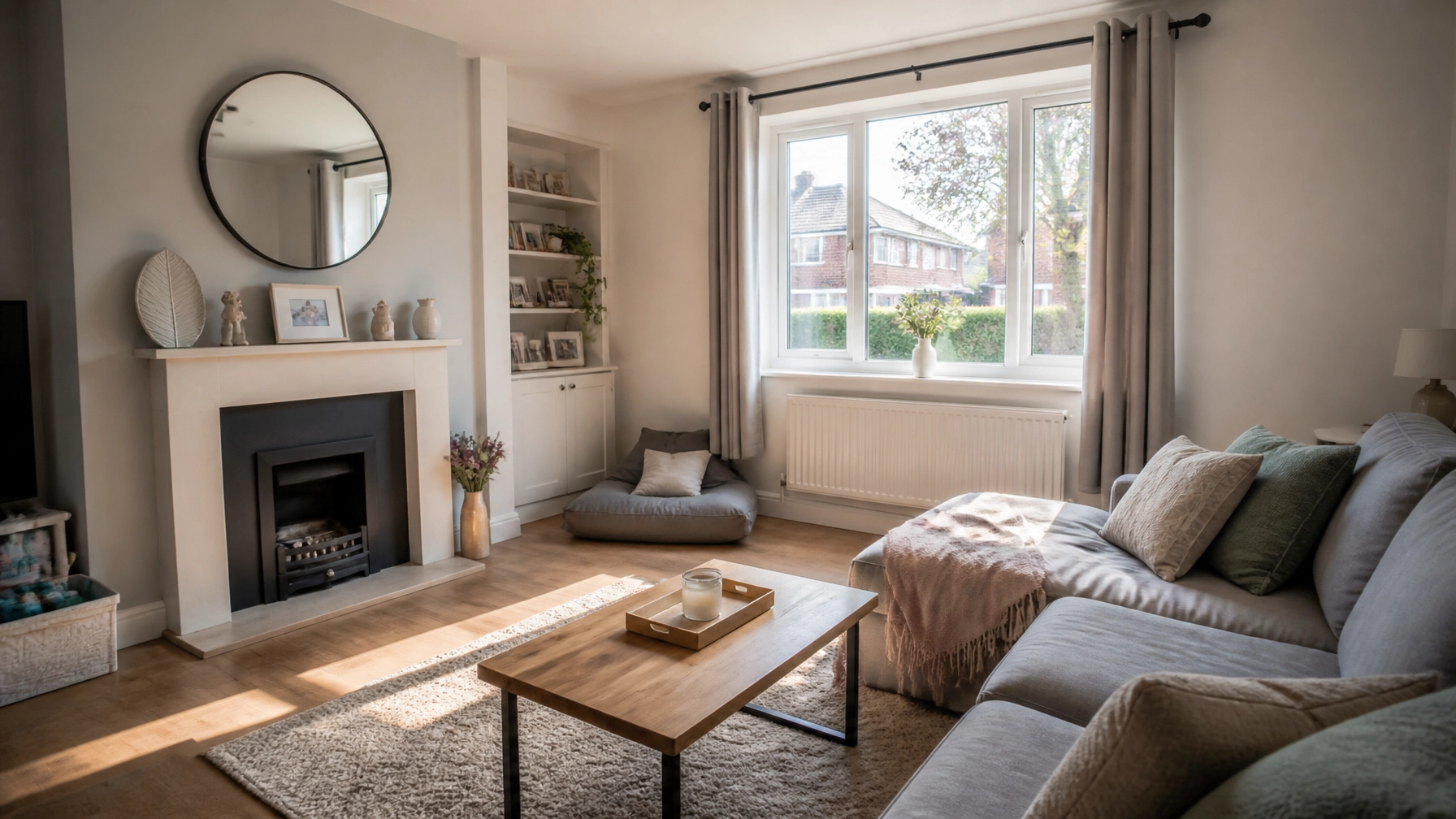
When Sarah finally walked back through her front door, the reaction was exactly what you’d expect: total, tearful disbelief. It’s hard to wrap your head around the idea that forty strangers would care enough to change your life in a weekend. The living room, once a source of stress, was now a bright, welcoming space where her children could play without her worrying about the state of the floor. The kitchen, once a battlefield of broken appliances and leaks, was a functional, beautiful heart of the home. But more than the physical changes, it was the message that the renovation sent. It told Sarah that she wasn't alone, that her story mattered, and that her community was standing right there behind her.
This wasn't just a home renovation; it was a restoration of hope. In a world that often feels increasingly fragmented and individualistic, the work of Project 33 in Trafford serves as a powerful counter-narrative. It proves that the "untold stories" of our neighbourhoods are often the most important ones. We spend so much time looking at the big picture that we forget the impact of forty people and forty-eight hours. Sarah’s life hasn't just been improved; it has been fundamentally altered. She now has the foundation, quite literally, to build a better future for herself and her children. As the volunteers packed up their tools and headed home, knackered but triumphant, they left behind more than just a newly painted house. They left a legacy of kindness in a corner of Trafford that will be remembered for a long, long time. This is the power of real stories and real conversations, and it’s a story that deserved to be told.