Europe has just hit a financial and environmental milestone that, frankly, few saw coming quite so quickly.
New data reveals that the continent's aggressive pivot towards green energy has saved the European Union a staggering €51 billion in a single year. By slashing the amount of expensive, imported fossil fuels needed to keep the lights on, the EU has effectively buffered its economy against the volatile global markets that have caused so much grief in recent years. This isn't just a win for the climate; it’s a massive win for the cheque books of millions of households across the continent.
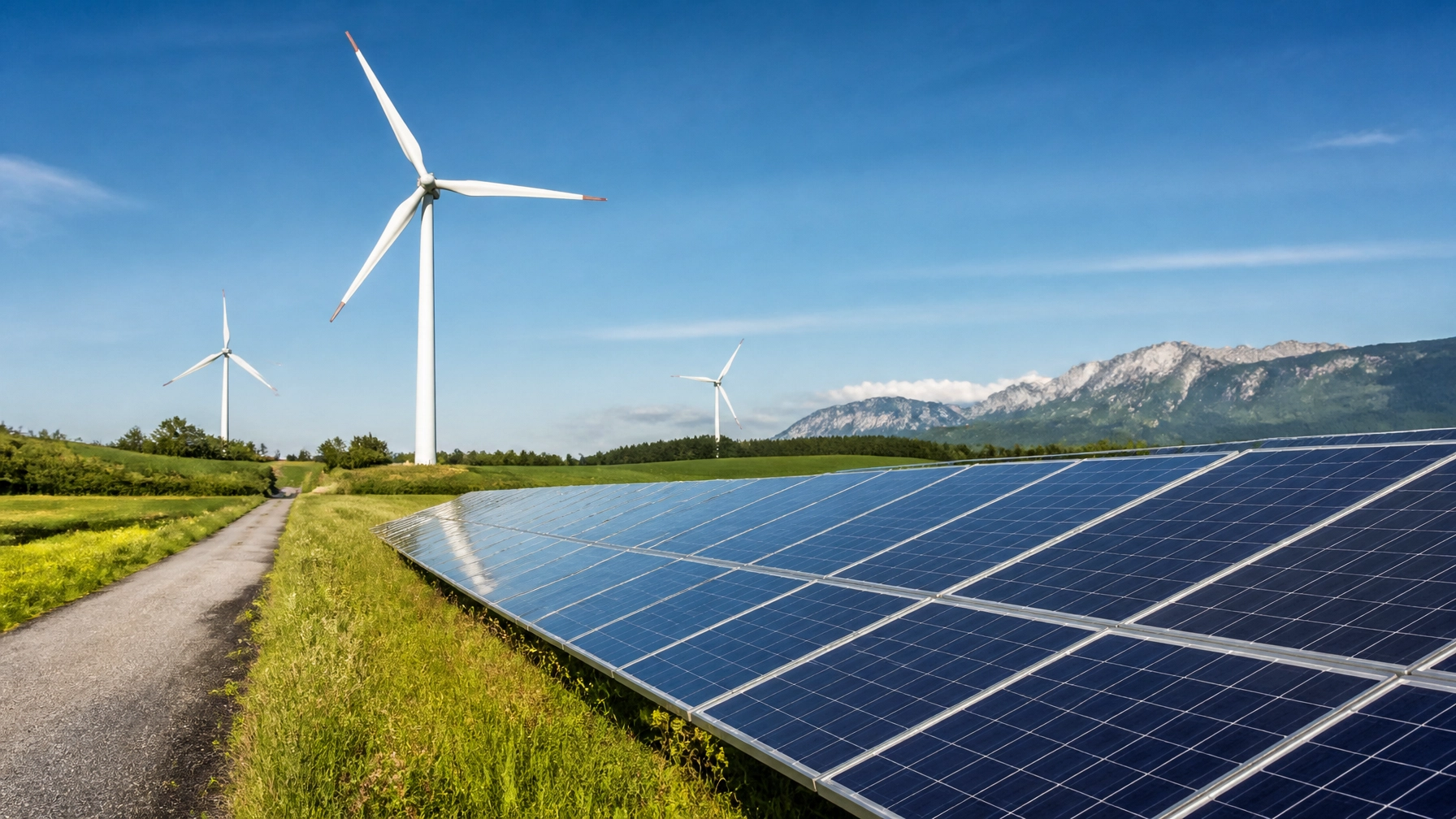
The shift is being described as a historic decoupling. For decades, the rule of thumb was that economic growth required more gas and more coal. That old-school logic has been well and truly tossed into the bin. In 2025, wind and solar power didn't just play a supporting role; they took centre stage, providing more electricity than all fossil fuel sources combined. It is a monumental shift that has turned the EU from a desperate customer of foreign gas into a burgeoning powerhouse of self-sufficiency.
For those of us looking at the wider picture in the UK, the implications are hard to ignore. While much of the conversation focuses on the cost of the transition: the price of new turbines, the disruption of laying new cables: this €51 billion figure flips the script. It shows that the real cost isn't in building the future, but in clinging to the past. The savings, largely driven by avoided gas imports, suggest that the "green premium" is rapidly becoming a "green discount."
The Great Escape from Volatile Gas Markets
The primary driver behind this multi-billion-euro saving is the dramatic reduction in natural gas consumption. We all remember the chaos of a few years ago when energy prices spiked to eye-watering levels, leaving families to choose between heating and eating. That crisis was a brutal wake-up call about the dangers of relying on imported fuels from unpredictable sources. By rapidly expanding its wind and solar capacity, the EU has essentially built a massive insurance policy against those price swings.
Every kilowatt-hour of electricity generated by a breeze in the North Sea or a sunny day in Spain is a kilowatt-hour that doesn't have to be bought from a foreign power. It is basic economics, but on a continental scale. The €51 billion saved represents money that stays within the European economy rather than being sent abroad to fill the coffers of petrostates. It is a shift that is making the continent more resilient and, crucially, more independent. Energy security is national security, and nothing is more secure than power you generate yourself.
However, it wasn’t just about building new kits. The efficiency of the European grid has improved significantly, allowing for better sharing of surplus energy between borders. When the wind is howling in Denmark, that power is now more effectively moved to places where the air is still. This interconnectedness has helped stabilise prices and ensured that the "free" energy from the weather is used to its maximum potential. It’s a sophisticated dance of engineering that is finally starting to pay off in hard currency.
The Hard Truth Behind the Green Victory
While the headlines are rightly focused on the billions saved, we have to look at the darker side of how we got here. This transition wasn't exactly a smooth, voluntary stroll toward a brighter future. It was a desperate scramble triggered by a series of geopolitical nightmares. The invasion of Ukraine and the subsequent weaponisation of gas supplies forced the EU's hand. If it weren't for that initial, crushing energy crisis, it’s unlikely the continent would have moved with such frantic speed.
We also have to acknowledge the heavy industry that didn't make it. The high energy prices that preceded these savings forced some manufacturers to shutter their doors for good or move their operations outside of Europe entirely. For the workers in those factories, a €51 billion saving on a balance sheet in Brussels feels like cold comfort. The human cost of the "hard-hitting" years of the transition remains a scar on many communities. There is also the nagging issue of the raw materials required for all those solar panels and batteries: much of which is still sourced from regions with questionable human rights records and environmental standards.
Furthermore, the "intermittency" problem hasn't been completely solved. While we’ve saved billions, the grid still relies on a backup of gas-fired plants for those cold, still winter nights. The cost of maintaining that dual system: the old and the new: is a lingering financial burden that isn't always captured in the celebratory savings figures. We are in a transitional phase that is messy, expensive in parts, and still deeply reliant on global supply chains that are far from "green."
A New Blueprint for Global Energy Security
Looking ahead, the success of the EU’s strategy is providing a blueprint for the rest of the world. The narrative that renewable energy is an expensive luxury for rich nations is being systematically dismantled. When you can point to €51 billion in avoided costs, the argument for fossil fuels starts to look increasingly flimsy. It is a powerful signal to investors that the era of "big oil" dominance in the power sector is entering its twilight years.
This shift is also encouraging a wave of innovation across the UK and Europe. From floating offshore wind farms to next-generation battery storage, the technological race is on. We are seeing a decentralisation of power that was unthinkable twenty years ago. Small communities are now forming energy cooperatives, generating their own electricity and selling the surplus back to the grid. It’s a democratic shift in energy ownership that is as much about social change as it is about carbon footprints.
As we move deeper into 2026, the focus will likely shift from just "building more" to "managing better." The next phase of the revolution involves smart grids that can automatically adjust demand based on supply, and the large-scale rollout of green hydrogen for heavy industry. The €51 billion saved this year is likely just the beginning. If the continent can maintain this momentum, the economic landscape of Europe will be unrecognisable in a decade: cleaner, richer, and significantly more self-reliant. This may prove to be the moment the world finally decided that paying for the sun and wind was a much better deal than paying for the past.