The Yurok Tribe in Northern California has reclaimed 73 square miles of its ancestral territory, marking the largest land-back deal in California’s history.
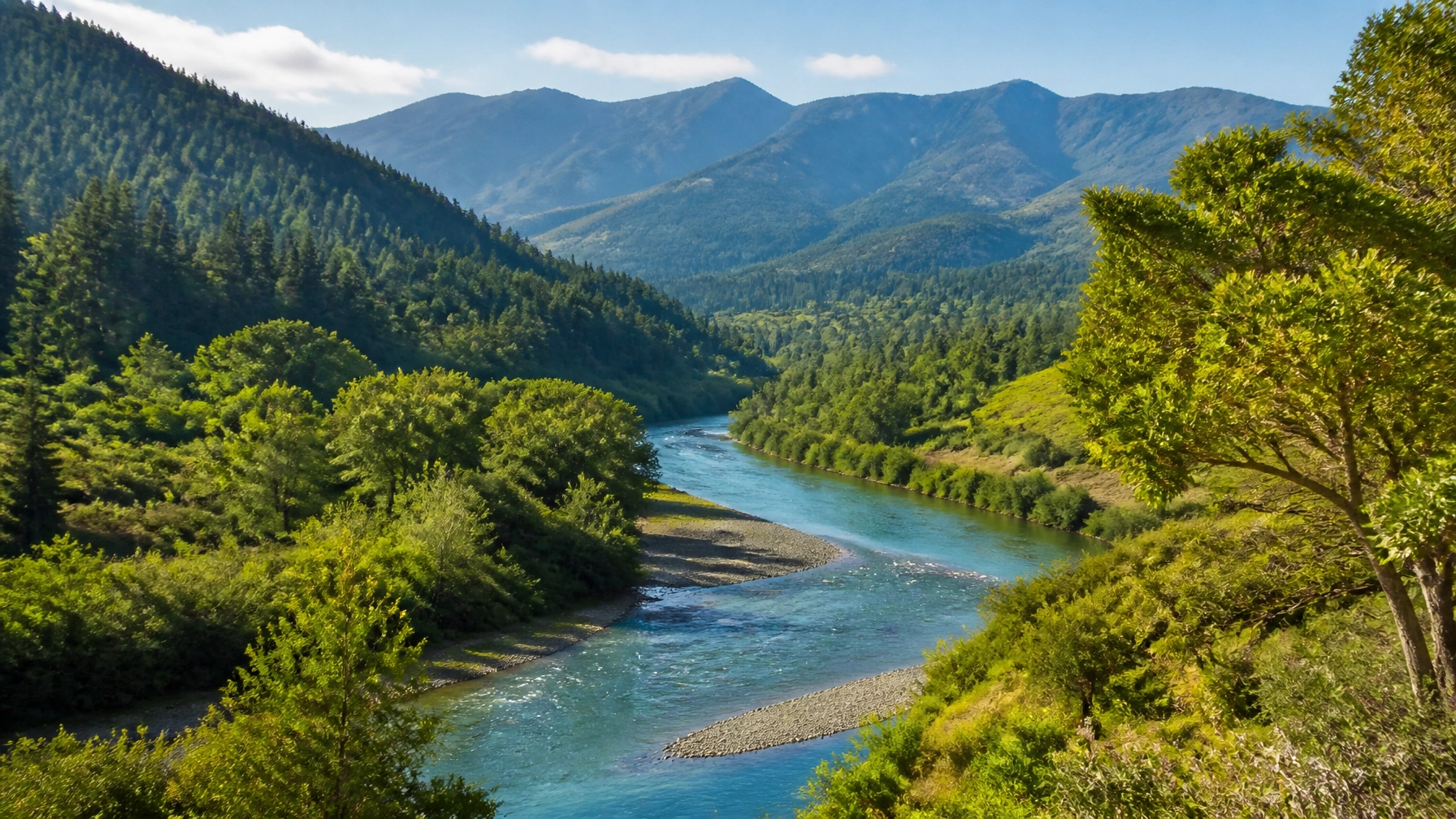
To put that into perspective for those of us who measure land in something other than "freedom units," that is roughly 47,000 acres. It is a massive chunk of the Klamath River basin, and it has been returned to the people who were looking after it for thousands of years before someone decided it would look much better as a timber farm. It is being hailed as the largest "land-back" deal in California’s history. This is not a token gesture but a substantial restoration of sovereignty, ecology and stewardship.
The deal was made possible through a partnership with the Western Rivers Conservancy, which has been working since 2009 to buy the land back from a timber company. The final 12,000-acre section has now been secured. The Yurok Tribe, California’s largest Native American tribe, has more than doubled its land holdings. It marks a major step for a community that has spent more than a century fighting to recover territory lost during the Gold Rush.
A History of Dispossession
The background to the deal is rooted in the upheaval of the mid-19th century. Before the Gold Rush, Yurok territory stretched across roughly 500,000 acres. In the years that followed, the tribe lost about 90% of its land as settlement, extraction and state-backed dispossession reshaped the region.
It was not a simple dispute over boundaries, but a prolonged loss of rights, resources and cultural control. For more than 120 years, the tribe saw forests clear-felled and rivers dammed or diverted. The Klamath River, central to Yurok life, was severely altered as development intensified across the basin.
The consequences reached beyond the landscape itself. Salmon, which hold deep cultural, spiritual and practical importance for the Yurok people, declined as dams blocked migration routes and industrial logging damaged water quality. Reclaiming the land means more than holding title. It gives the tribe greater authority to restore river systems, rebuild habitats and protect a way of life tied directly to the health of the watershed.
Restoring River and Forest
About 15,000 acres of the restored territory will become the Blue Creek Salmon Sanctuary. Blue Creek is a cold-water tributary of the Klamath and plays a critical role in helping salmon survive periods of higher river temperatures. Protecting it is seen as central to the future of fish populations across the wider basin.
The remaining land will be managed as the Yurok Community Forest. The tribe plans to apply traditional ecological knowledge developed over generations, including cultural burning to reduce undergrowth, lower wildfire risk and support native plant life. These practices are increasingly recognised for their long-term environmental value.
The wider approach combines conservation with local livelihoods. By managing the forest for resilience rather than short-term extraction, the tribe can support habitat recovery, carbon storage and employment in restoration and land management. It offers a model of stewardship rooted in continuity, place and practical knowledge.
More Than a Land Deal
The agreement carries significance beyond acreage alone. For the Yurok, it represents a form of justice as well as a practical transfer of authority over land and water that have defined community life for generations. It also reflects growing recognition that long-term custodianship and environmental recovery are closely linked.
The outcome may serve as a reference point for other Indigenous communities pursuing similar claims. It shows how persistence, negotiation and partnership can help reverse at least part of a much longer history of dispossession. It also underlines that land is not only an economic asset, but a living system shaped by memory, culture and responsibility.
As the Yurok Tribe begins the next phase of restoration, the return of this territory stands as both a symbolic and material shift. Control over the Klamath watershed, salmon habitat and forest management now sits more firmly with the people whose identity and future are bound to it.