The humanitarian situation in the Democratic Republic of Congo has reached a critical juncture as a rare and lethal strain of the Ebola virus continues to tear through vulnerable communities.
Reports from the ground indicate that the current outbreak is now the largest recorded instance of the Bundibugyo species, a variant of the virus for which there is currently no licensed vaccine or specific therapeutic treatment. As the number of infections climbs, international aid organisations have raised a desperate alarm: the fundamental infrastructure required to stop the spread of the virus has effectively collapsed.
In the eastern provinces of the country, particularly Ituri, the scale of the crisis is becoming increasingly difficult to quantify. Official figures suggest that hundreds have been infected and nearly two hundred lives have been lost, but these numbers are widely believed to be a conservative estimate. The reality on the ground is one of fractured surveillance systems and a total breakdown in the basic hygiene measures that serve as the primary barrier against transmission. Without the safety net of clean water and proper sanitisation, the virus is moving through the population with terrifying efficiency.
A Broken Shield Against a Silent Killer
The first line of defence in any public health emergency is the ability of the population to maintain basic hygiene. In the context of an Ebola outbreak, where the virus is transmitted through contact with infected bodily fluids, the availability of clean water and soap is not a luxury; it is a clinical necessity. However, in the heart of the current outbreak, this shield has been shattered. Evidence suggests that in areas like Mongbwalo, a community of approximately 140,000 people, a staggering eighty per cent of the population has no access to clean water.
For many families, the struggle to survive the virus is compounded by the sheer cost of staying clean. In some regions, twenty litres of clean water can cost as much as two dollars, an astronomical sum for residents who are already living on the edge of poverty. This economic barrier forces many to turn to contaminated sources, often polluted by chemical runoff from local mining operations, further compromising their immune systems and overall health. When clean water is priced out of reach, the virus is effectively given a free pass to move from person to person, household to household.
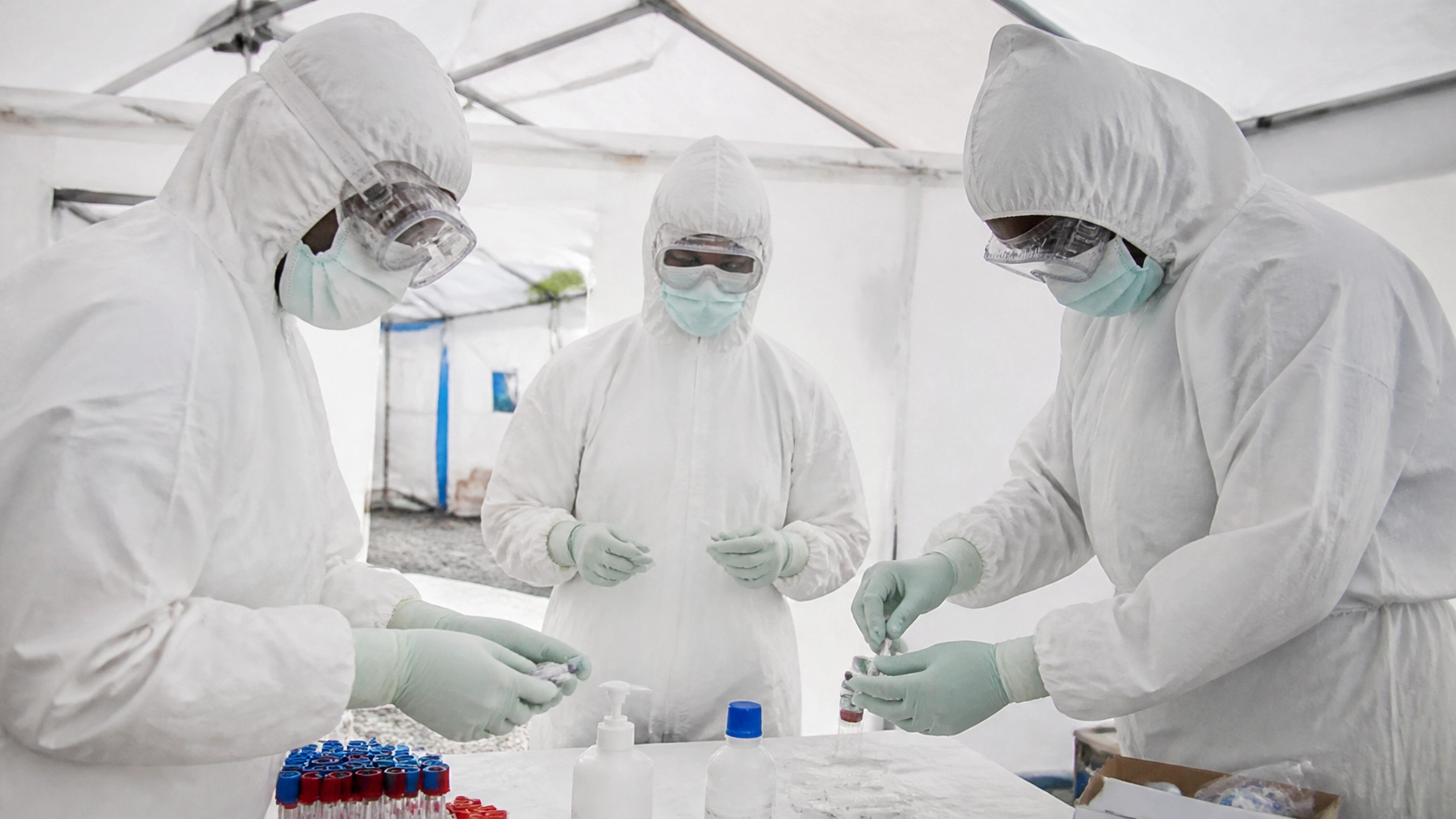
The collapse of this defensive line extends into the very health facilities meant to treat the sick. Only one in five health centres in the affected Ituri province is reported to have access to a sufficient supply of clean water. Doctors and nurses are working in conditions where they cannot properly wash their hands or sanitise their equipment, turning the hospitals themselves into potential hubs for infection. Without the basic tools of infection prevention, the medical response is fighting a losing battle against a virus that exploits every gap in sanitisation.
The Bundibugyo Strain and the Invisible Toll
What makes this particular outbreak so concerning to health professionals is the nature of the pathogen itself. While the Zaire strain of Ebola is perhaps the most well-known due to its high mortality rate and the existence of an effective vaccine, the Bundibugyo strain is a more elusive and less-studied threat. This is only the third-largest Ebola outbreak in history, and the lack of a medical "silver bullet": such as the vaccines used in previous epidemics: means that the response must rely entirely on supportive care and rigorous contact tracing.
However, contact tracing, the process of identifying and monitoring anyone who may have come into contact with an infected individual, is failing. Recent data shows that less than half of known contacts are being followed up by health officials. This is a dramatic decline compared to previous outbreaks in the region, where follow-up rates were significantly higher. When the chain of transmission is not actively monitored, the virus enters a "silent" phase, spreading through communities undetected until patients begin to appear at clinics in the advanced stages of the disease.
The discrepancy between official figures and the suspected reality is a source of growing anxiety. Humanitarian workers on the front lines warn that the lack of testing capacity and the breakdown of community trust mean that many deaths are likely occurring outside of the official health system. In remote mining camps and displaced person settlements, the virus may be claiming lives that are never recorded in a ledger. This invisible toll hides the true magnitude of the disaster, making it harder to coordinate the international support and resources required to bring the situation under control.
An Infrastructure in Ruin
The current crisis is not merely a medical failure; it is a failure of infrastructure that has been decades in the making. The Democratic Republic of Congo has long struggled with the legacy of conflict and underinvestment, but the specific collapse of water, sanitation, and hygiene (WASH) systems in the eastern provinces has created a perfect storm for the Ebola virus. Miners, who represent a significant portion of the workforce in Ituri, often work in environments with no toilets or handwashing facilities. They then return to crowded living quarters, inadvertently carrying the virus into the heart of their communities.
Waste management has also become a critical issue. Many health centres are currently unable to safely dispose of infectious waste, such as used needles and contaminated bedding. In a high-risk environment, the presence of such materials is a ticking time bomb. The inability to maintain a sterile environment not only endangers patients but also places an intolerable burden on frontline workers, many of whom are working without adequate protective gear or the guarantee of a safe workplace.
Efforts are being made to bridge the gap, with emergency interventions aimed at repairing water systems and distributing hygiene kits containing soap and disinfectant. Public health education campaigns are also underway, trying to rebuild the community trust that is essential for effective intervention. Yet, the scale of the need remains vast. Until the fundamental right to clean water is restored and the hygiene infrastructure is rebuilt, the Democratic Republic of Congo remains locked in a deadly embrace with one of the world's most feared diseases. The collapse of the first line of defence is not just a local tragedy; it is a stark reminder of how quickly a health crisis can escalate when the most basic requirements for human life are stripped away.