For Dionne Barton, the first sign that something was wrong did not come in a doctor’s surgery or through a sudden, dramatic health crisis.
It happened on the football pitch, the place where she had always felt most at home. A lifelong Derby County fan and a dedicated amateur player, Barton began to notice a peculiar hitch in her movement while playing as a full-back. When she went to take a throw-in, her right arm simply would not move the way she intended. It felt heavy, disconnected, and stubborn. At the time, she dismissed it as a trapped nerve, perhaps a lingering injury from a lifetime of sport.
The reality was far more life-altering. After eighteen months of subtle physical decline and medical investigations, Barton received a diagnosis that few women in their 40s expect: Parkinson’s disease. It was a moment that she describes as a profound shock, a diagnosis that seemed to clash with every aspect of her identity as an active, independent woman. For the next four years, Barton chose to keep her condition hidden. The fear of being judged, of being seen as "broken," or of being defined by a disease often associated with the elderly and the frail, led her to live a double life. She continued her daily routines, masking her symptoms and navigating the silent anxiety of a progressive neurological condition in the shadows.
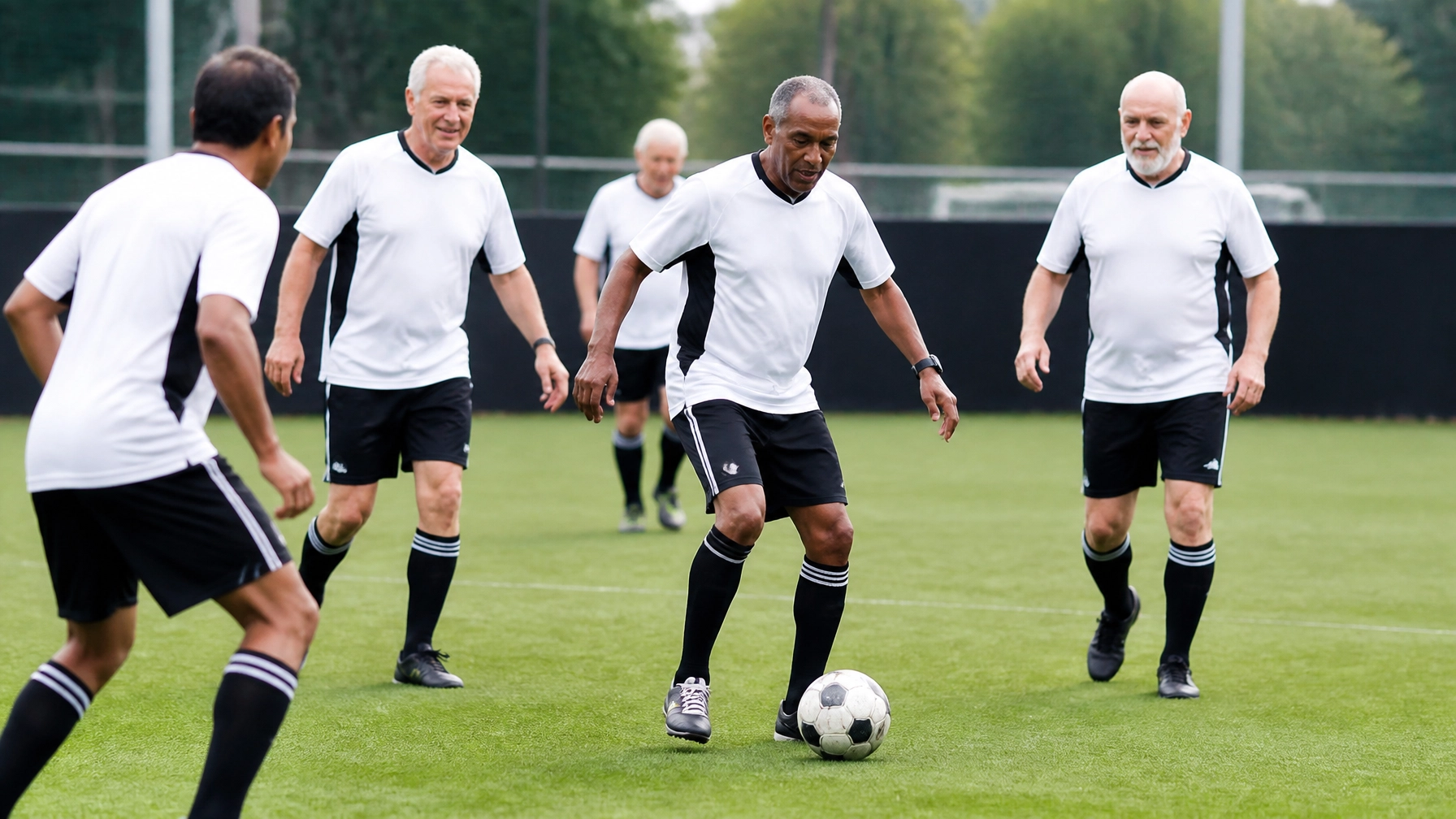
However, the very sport that first revealed her symptoms would eventually become the key to her reclamation. Today, Barton is a prominent member of the 'Parkie Rams,' a walking football team specifically for people living with Parkinson’s, supported by the Derby County Community Trust. Her journey from silent diagnosis to vocal advocate on the pitch highlights a growing movement across the United Kingdom, where sport is being used not just as a form of physical therapy, but as a powerful weapon against the social stigma of chronic illness.
Building a Community on the Pitch
The Parkie Rams represent a unique intersection of professional sporting infrastructure and grassroots community support. Based at the heart of Derby, the initiative provides a space where the diagnosis of Parkinson’s is not an elephant in the room, but the common ground upon which new friendships are built. For Barton and her teammates, the sessions are about far more than just the physical act of kicking a ball. They represent a rare environment where the masks can come off. The tremors, the stiffness, and the "freezing" of movement that characterise Parkinson’s are understood here; they are part of the game rather than a source of embarrassment.
The social isolation that often follows a Parkinson's diagnosis is a significant hurdle for many. The tendency to withdraw from public life: as Barton did for four years: can lead to a decline in mental health that matches the physical challenges of the disease. By joining a team like the Parkie Rams, individuals are thrust back into a collective environment where the spirit of competition and the camaraderie of the locker room remain intact. This sense of belonging is a vital component of the "social prescription" model currently gaining traction within the British healthcare system. It recognises that for chronic, long-term conditions, the support of a peer group is as essential as any pharmaceutical intervention.
Furthermore, the involvement of a professional club's community trust, such as Derby County's, adds a layer of prestige and legitimacy to the project. Participants are not just patients in a rehabilitation group; they are players representing their club. This shift in terminology is profound. It moves the focus from what the body cannot do to what it can still achieve. On the pitch, the "patient" identity is replaced by the "athlete" identity, a transition that Barton has cited as being instrumental in rebuilding her lost confidence.
Physical Vitality and Mental Resilience
While the social benefits are clear, the physical impact of walking football on Parkinson’s symptoms is supported by an increasing body of research. Parkinson’s is a neurodegenerative disorder that primarily affects dopamine-producing neurons in the brain, leading to tremors, bradykinesia (slowness of movement), limb rigidity, and gait and balance problems. Traditional exercise has long been recommended, but walking football offers a specific set of challenges that are particularly suited to managing these symptoms.
The game requires constant, controlled movement, which helps to maintain cardiovascular health and bone density: both of which are critical for those living with the condition. The "walking" aspect of the game is deceptive; it is a high-intensity workout for balance and coordination. Players must pivot, stop, and change direction without the momentum of a run, forcing the brain to engage more deeply with motor control and spatial awareness. This cognitive engagement: the "dual-tasking" of thinking about the game’s strategy while managing physical movement: is thought to be highly beneficial for neuroplasticity.
Recent studies in the UK suggest that walking football participants are significantly more likely to meet or exceed national physical activity guidelines compared to the general population. For those with Parkinson’s, this increased activity is directly linked to better sleep, improved mood, and a reduction in the "freezing of gait" that can lead to dangerous falls. Barton has spoken about how the sessions have helped her regain a sense of control over her own body. The pitch is a laboratory where players can test their limits in a safe, supervised environment, pushing back against the physical boundaries that the disease attempts to set.
Overcoming Stigma and Redefining the Future
Perhaps the most significant goal of the Parkie Rams and athletes like Dionne Barton is the dismantling of the stereotypes surrounding Parkinson’s. The public perception of the disease is often limited to the image of an elderly man with a pronounced tremor. This narrow view ignores the thousands of "young-onset" patients who are diagnosed in their 30s, 40s, and 50s, many of whom are in the prime of their careers and family lives. By taking to the pitch in Derby, Barton is making a visible, public statement: Parkinson’s does not have a single face, and it does not mean the end of an active life.
The stigma Barton initially feared: the idea that she would be seen differently or pitied: is being replaced by a narrative of resilience. Her advocacy, alongside organisations like Sport Parkinson’s, is helping to shift the national conversation. They are promoting the idea that sport should be inclusive by design, rather than as an afterthought. The growth of disability-specific walking football leagues across England is a testament to this shift. These leagues provide a competitive outlet for those who still have the "fire in their bellies" but require a modified format to compete safely.
As Barton continues to lead by example, her story serves as a beacon for others who may currently be hiding their own diagnoses. The transformation from a woman who felt she had to mask her symptoms to a player who celebrates her movement on the pitch is the ultimate victory. The Parkie Rams are not just playing for goals; they are playing for a future where a diagnosis is merely a chapter in a person’s story, not the whole book. Through the simple act of walking onto a football pitch, Barton and her teammates are scoring a decisive win against the silence and stigma of Parkinson’s, one step at a time.