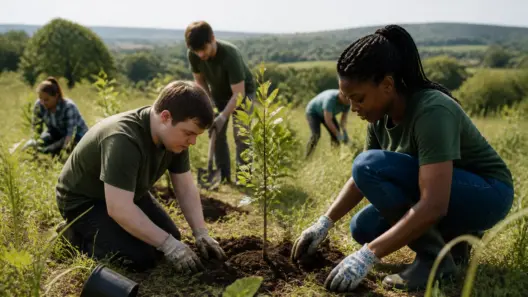
In the heart of Barnstaple, a new pocket of greenery has emerged, transforming a small corner of the town into a sanctuary of growth and integration. Project Unitea, a collaborative initiative, has recently unveiled a community tea and herb garden that serves as more than just a horticultural display. It is the result of months of hard work by refugees and asylum seekers living in the area, who have worked alongside local organisations to create a space that celebrates both nature and human connection.
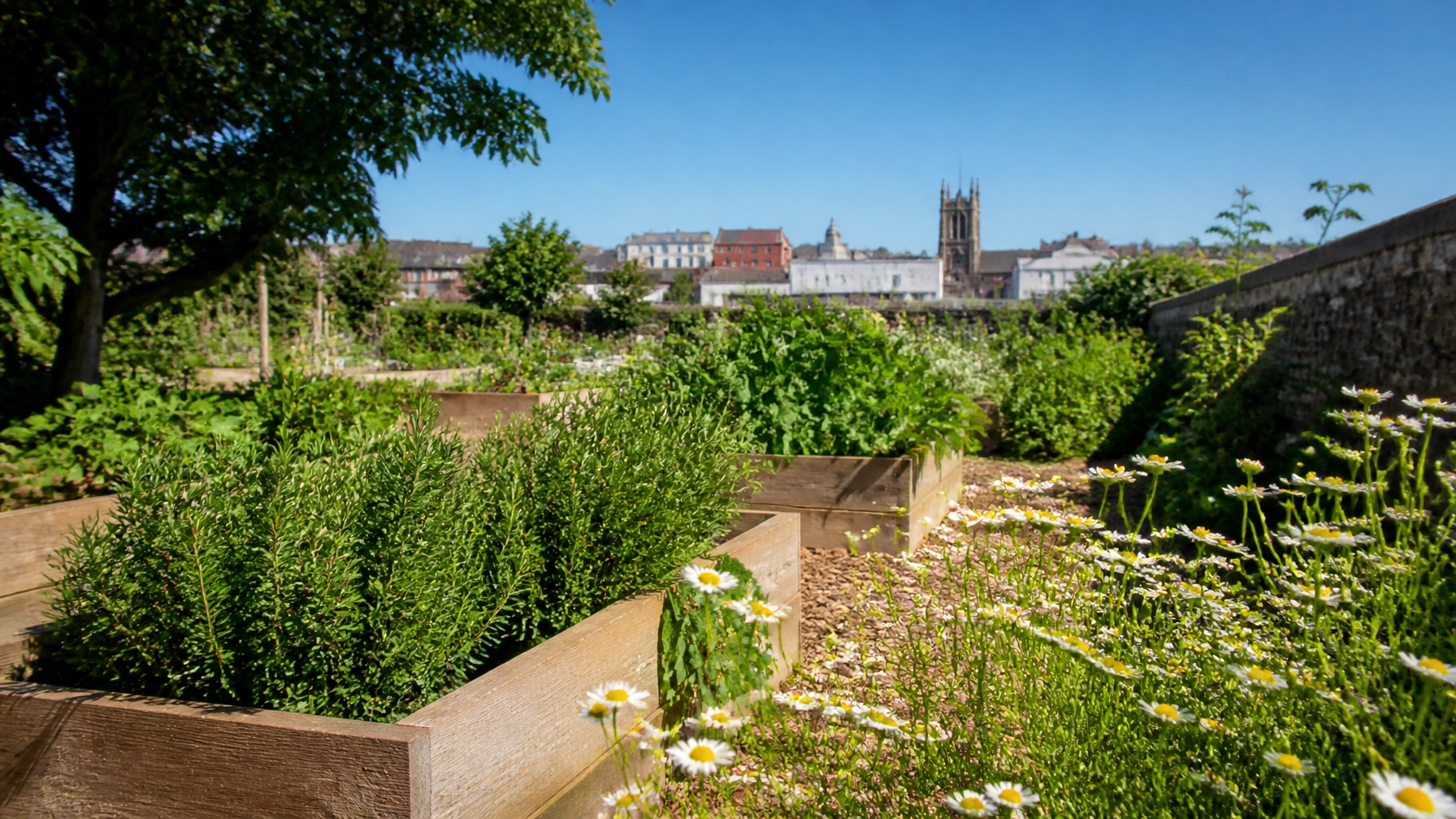
The garden is situated near the historic clock tower and museum, a central location that invites both residents and visitors to pause and reflect. What was once an overlooked patch of land has been repurposed into a thriving hub of activity. The project was timed to coincide with Refugee Week, a national festival celebrating the contributions, creativity, and resilience of people seeking sanctuary. By opening the garden during this significant week, the organisers aimed to highlight the positive impact that displaced people can have on their new communities when given the opportunity to contribute.
The initiative is a joint effort between the Devon Wildlife Trust, the Pickwell Foundation, and Barnstaple Town Council. Each partner brought a unique set of skills and resources to the table, but the core of the project remained the involvement of the refugees and asylum seekers themselves. From the initial design phases to the physical construction of the raised beds, every element of the garden reflects the input and hard work of those who have moved to North Devon in search of safety.
Cultivating Connection through Nature
The primary goal of Project Unitea is to foster a sense of belonging and community. For many refugees and asylum seekers, the process of settling into a new country can be isolating, often marked by language barriers and a lack of social networks. By working together in the garden, participants have found a common ground that transcends words. The physical act of planting and tending to the soil provides a shared purpose, allowing individuals to connect with one another and with the local landscape.
The garden serves as an informal classroom where volunteers can practice their English in a relaxed, low-pressure environment. Conversations happen naturally over the trowels and watering cans, helping to build confidence and forge new friendships. This social aspect is a crucial component of the project, as it helps to break down the barriers between the refugee community and the wider public. When people stop by the garden to admire the plants, they often strike up conversations with the volunteers, leading to a greater understanding and appreciation of the diverse backgrounds of Barnstaple’s newest residents.
Furthermore, the project addresses the mental health and wellbeing of its participants. The therapeutic benefits of gardening are well-documented, offering a sense of calm and accomplishment that is particularly valuable for those who have experienced trauma or the stress of displacement. The opportunity to be outdoors, engaged in productive work, and surrounded by nature provides a much-needed boost to morale. The garden is not just a place for plants to grow; it is a place for people to heal and find a sense of agency in their lives.
Sustainable Practices and Herbal Harvests
At the heart of the garden's design is a commitment to sustainability and environmental stewardship. Project Unitea has followed strict wildlife-friendly principles throughout its development. The volunteers used peat-free compost and ensured that no herbicides or pesticides were applied to the land. This approach ensures that the garden is a safe haven for local biodiversity, providing a vital source of nectar and pollen for declining insect populations, including bees and butterflies.
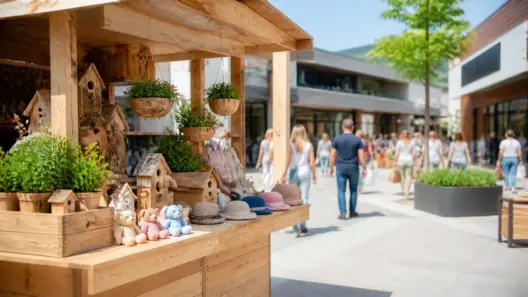
The selection of plants was carefully curated to support the "tea garden" theme. Traditional herbs such as chamomile, rosemary, and lemon balm take pride of place in the raised beds. These plants were chosen for their aromatic qualities and their historical use in herbal infusions. The intention is for the garden to be a functional space where the harvest can be enjoyed by everyone involved. The volunteers are taught how to harvest the herbs correctly and blend them into fresh, herbal teas, which are then shared during community gatherings.
The garden also features a variety of pollinator-friendly species that add splashes of colour and texture to the space. By creating a habitat that supports local wildlife, the project demonstrates how small-scale urban gardening can contribute to broader conservation efforts. The refugees and asylum seekers involved in the project have gained a deeper understanding of the local ecology, learning about the specific needs of Devon’s native plants and insects. This knowledge not only empowers them as gardeners but also helps them feel more connected to the natural heritage of the region they now call home.
Fostering Mental Health and Community
The long-term vision for Project Unitea extends far beyond the initial planting phase. The garden is intended to be a permanent fixture in Barnstaple, a living testament to the power of collaboration and inclusion. As the plants mature, so too will the relationships formed within the garden. There are plans to host regular events, including tea-tasting sessions and workshops on sustainable gardening, which will continue to bring the community together and ensure the garden remains a vibrant and active space.
Funding for the project was made possible through an £18,000 grant from the National Lottery Community Fund, specifically the Awards for All England – Environment programme. This investment underscores the importance of supporting local initiatives that combine social and environmental goals. The success of the garden in Barnstaple serves as a model for other towns and cities across the UK, showing how green spaces can be used to promote social cohesion and environmental awareness simultaneously.
Ultimately, the community tea and herb garden is a celebration of what can be achieved when a community opens its doors and its heart. For the refugees and asylum seekers in Barnstaple, it is a place where they are not defined by their status, but by their skills, their creativity, and their commitment to making their new home a better place. For the residents of Barnstaple, it is a beautiful new asset that reminds them of the richness that diversity brings to their town. As the rosemary and chamomile continue to thrive, the garden will stand as a symbol of hope and unity in the heart of Devon.