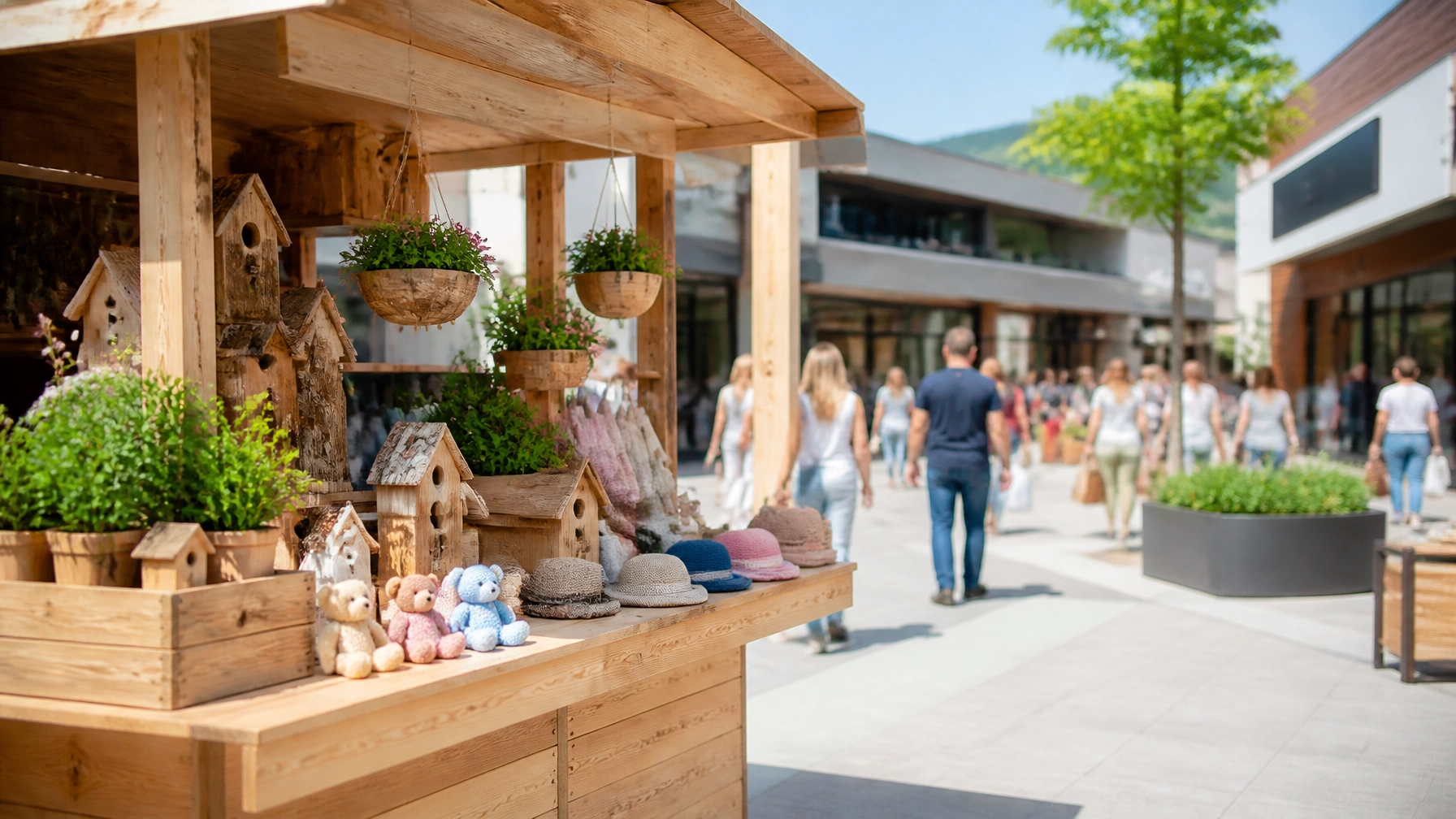
Shoppers at Rushden Lakes might have expected to find the usual high-street brands and seasonal fashion during their recent visits to the popular Northamptonshire retail destination. However, a new pop-up stall has been drawing significant attention for reasons far beyond its craftsmanship. The items on display: ranging from intricately designed wooden birdhouses and garden planters to handmade textiles and cloth teddy bears: carry a story of rehabilitation and reform. These goods are the direct result of hours of labour within the walls of HMP Five Wells, a Category C resettlement prison located just a few miles away in Wellingborough. This initiative represents a growing shift in how the justice system approaches the reintegration of inmates into society, moving away from simple incarceration and towards the development of tangible, marketable skills.
The stall, which has appeared as part of a collaborative effort between the prison management and the shopping centre, serves as a bridge between the world behind bars and the local community. For many visitors, the discovery that the high-quality items they are browsing were produced by prisoners is a moment of reflection. It challenges the traditional narrative of what life inside a modern prison looks like and highlights the potential for positive change when inmates are given the tools to produce something of value. The scheme is not merely about retail; it is a vital component of a broader rehabilitation strategy designed to reduce reoffending rates by equipping men with the vocational training and work ethic required to secure employment upon their release.
Cultivating skills behind the wire
The production process begins deep within the industrial workshops of HMP Five Wells. Unlike older, more traditional Victorian prisons, Five Wells was designed with a specific focus on "rehabilitation first." The facility features extensive workshop spaces where inmates can spend their days engaged in meaningful activity that mirrors a real-world working environment. In the woodwork department, men are taught the fundamentals of carpentry, from understanding technical drawings to operating machinery safely and finishing products to a professional standard. The birdhouses and garden furniture sold at Rushden Lakes are not amateur efforts; they are built to last, reflecting a level of pride and attention to detail that the inmates have cultivated through months of practice.
The textile workshop operates with similar rigour. Here, inmates learn to use industrial sewing machines to create everything from winter hats to soft toys. The process of taking raw materials and transforming them into a finished product that will eventually be sold in a public space provides a profound psychological benefit. It offers a sense of accomplishment that is often missing from the lives of those in the justice system. By focusing on quality control and meeting the standards expected by the general public, the men are learning that their work has value and that they are capable of contributing to the economy in a law-abiding way. This vocational training is backed by formal qualifications, ensuring that the time spent in the workshop translates into a CV-ready skill set that can be used to find work in the construction or manufacturing sectors after their sentences are served.
The impact of vocational rehabilitation
The primary goal of the pop-up stall at Rushden Lakes is to tackle the persistent issue of reoffending. Research has consistently shown that prisoners who leave custody with stable employment are significantly less likely to return to crime. However, the barrier to entry for former inmates is often high, not just because of their criminal records, but due to a lack of recent, relevant work experience. By operating these workshops like small businesses, HMP Five Wells is bridging that gap. The men are required to show up on time, follow safety protocols, and work collaboratively to meet production targets. These "soft skills": punctuality, teamwork, and reliability: are just as important as the technical ability to build a bench or sew a hat.
The presence of the stall in a busy shopping centre also plays a crucial role in humanising the prison population. When a shopper buys a handmade teddy bear, they are engaging with the potential of the person who made it. It starts a conversation about the purpose of prison: is it purely for punishment, or is it a place where someone can be redirected towards a better path? For the inmates, knowing that their work is being bought and appreciated by the public provides a massive boost to their self-esteem. It reinforces the idea that they are not defined solely by their past mistakes and that there is a place for them in society if they are willing to work for it. This psychological shift is often the first and most important step in the long process of desistance from crime.
A sustainable cycle of reinvestment
One of the most compelling aspects of the initiative is the financial model that supports it. The money generated from the sale of these goods at Rushden Lakes is not simply absorbed into a general fund; it is reinvested directly back into the prison’s rehabilitation programmes. This creates a self-sustaining cycle where the work of the current inmates funds the materials and training for the next cohort. It reduces the burden on the taxpayer while ensuring that the workshops can continue to expand and offer even more diverse training opportunities. This "profit with purpose" approach aligns the prison’s internal goals with the external expectations of a society that wants to see its justice system produce better outcomes.
Furthermore, the partnership with a major retail site like Rushden Lakes demonstrates the importance of private sector involvement in the justice system. The willingness of the shopping centre management to host the stall sends a powerful message to other businesses about the value of second chances. It encourages a more inclusive approach to recruitment and community engagement, proving that rehabilitation is a collective responsibility. As the pop-up stall continues its tenure, it stands as a testament to what can be achieved when innovation and social purpose intersect. The birdhouses and hats sold today are more than just consumer goods; they are symbols of a new start and a reminder that, with the right support, the cycle of crime can be broken, one handmade item at a time.