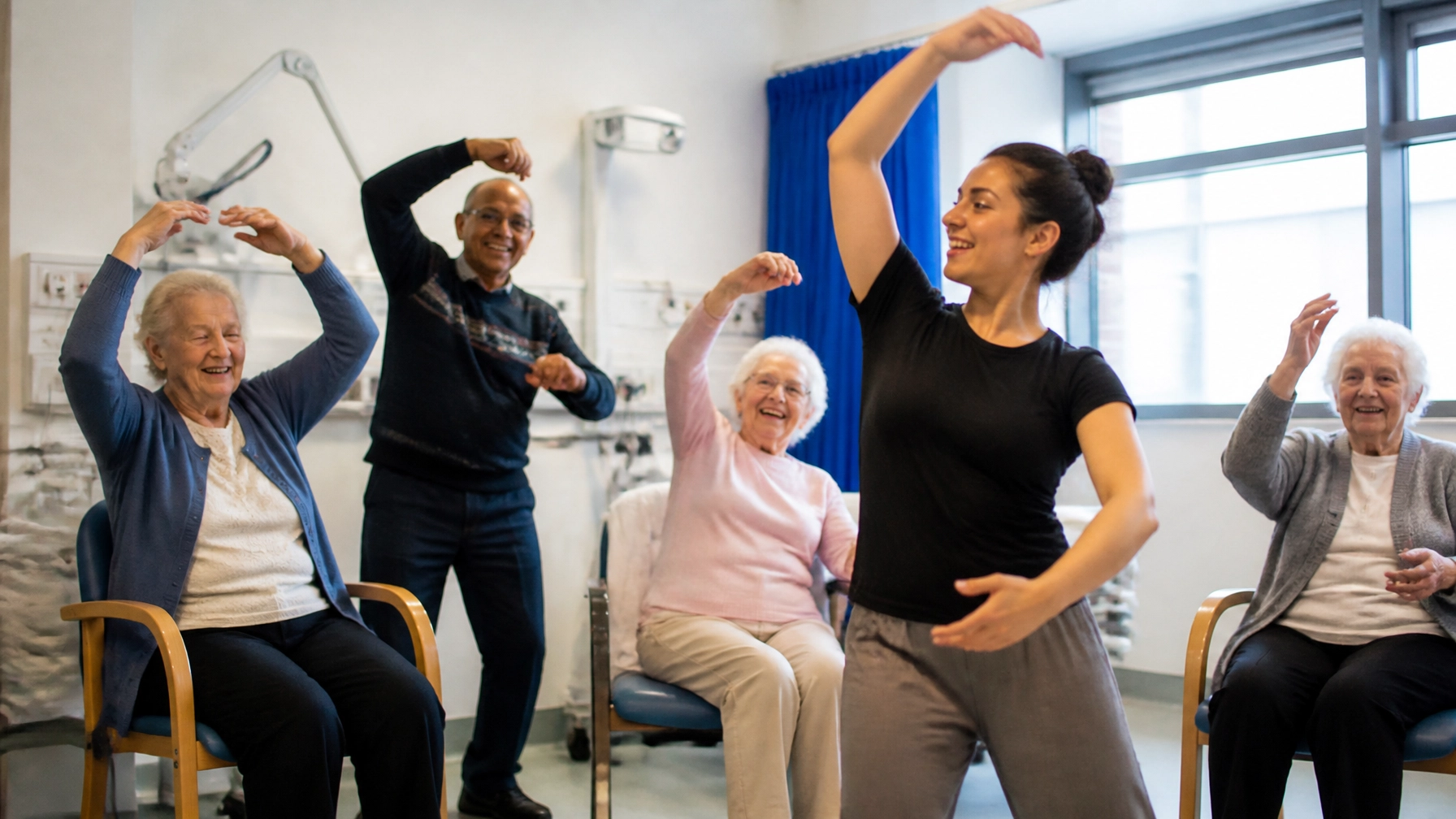
In the quiet corridors of Bedford Hospital, a new sound is beginning to echo through the wards: the rhythmic tap of feet and the uplifting strains of music. What started as a modest pilot project has blossomed into a transformative initiative known as Dance for Health. This programme, specifically designed for patients on the hospital’s frailty wards, is proving that movement and rhythm can be just as vital to recovery as traditional clinical care. For those spending long days in a hospital bed, these sessions offer more than just physical exercise; they provide a much-needed connection to their own sense of self and a spark of joy in an environment that can often feel sterile and isolating.
The project is led by a dedicated team of dance practitioners who understand that healing is not just about treating a physical ailment, but about nurturing the spirit. By bringing music and choreographed movement into the clinical setting, they are helping patients rediscover the capabilities of their bodies, even when faced with the limitations of age or illness. The sessions are carefully tailored to be inclusive, ensuring that everyone, regardless of their level of mobility, can participate. Whether a patient is standing, sitting in a chair, or even confined to their bed, there is a way for them to join in the dance.
For the staff at Bedford Hospital, the introduction of dance has provided a refreshing change of pace. Nursing in a high-pressure environment can be emotionally taxing, and seeing patients smile, laugh, and move with newfound confidence has a positive ripple effect throughout the entire ward. It shifts the focus from what a patient cannot do to what they can achieve, fostering a more positive and hopeful atmosphere for everyone involved. As the music fills the room, the traditional barriers between patient and practitioner seem to dissolve, replaced by a shared experience of creativity and human connection.
Movement for Mind and Body
The physical benefits of the Dance for Health project are clear and measurable. Deconditioning: the loss of physical fitness and muscle mass: is a significant concern for older patients during hospital stays. Even a few days of inactivity can lead to a sharp decline in mobility and independence. By encouraging gentle, guided movement, the dance sessions help to keep joints flexible and muscles engaged. Patients are guided through a series of exercises that focus on coordination, balance, and range of motion. These movements are often inspired by everyday actions, making them practical and accessible.
However, the impact on mental wellbeing is perhaps even more profound. Hospitalisation can be a frightening and lonely experience, particularly for elderly patients who may be suffering from dementia or other cognitive impairments. The dance sessions provide a vital social outlet, allowing patients to interact with the practitioners and each other in a joyful, non-clinical setting. The music itself acts as a powerful tool for reminiscence, often triggering memories and emotions that might otherwise remain locked away. For many, the chance to move to a familiar tune brings a sense of comfort and normality to an otherwise distressing time.
The practitioners, Sadie Hunt and Jenny Howells, bring a wealth of experience to the wards. They are skilled at reading the room and adjusting the energy of the session to meet the needs of the patients. Some days the ward is bustling and the music is lively, encouraging a celebratory atmosphere. Other days, the sessions are quieter and more reflective, focusing on gentle stretching and deep breathing. This flexibility is key to the project’s success, ensuring that it remains patient-centred and responsive to the unique challenges of the hospital environment.
Bridging the Gap on Frailty Wards
The frailty wards at Bedford Hospital cater to some of the most vulnerable members of the community. These are patients who often have complex needs and may require extended stays. In such settings, the risk of "PJ paralysis": where patients remain in their pyjamas and stay in bed longer than necessary: is a constant concern. The Dance for Health project acts as a powerful antidote to this trend. By giving patients a reason to get out of bed, get dressed, and engage with the world around them, it plays a crucial role in their overall rehabilitation and eventual discharge home.
The funding for the project has come from a variety of sources, including the Bedfordshire Hospitals NHS Charity and Sport England. This support highlights a growing recognition within the healthcare sector of the value of "creative health" initiatives. It is no longer seen as a luxury or an optional extra; rather, it is viewed as an essential component of a holistic approach to care. The project has recently expanded from its initial pilot phase into a longer, more sustainable programme, allowing more patients to benefit from the sessions.
The feedback from participants has been overwhelmingly positive. One patient remarked that the sessions made them feel "human again," while another noted that they had forgotten about their pain for the duration of the class. This sense of escapism is invaluable. In a place where so much is dictated by schedules and medical necessity, the dance sessions offer a rare moment of autonomy and self-expression. It allows patients to reclaim a part of their identity that is often sidelined when they enter the healthcare system.
A Lasting Impact on Acute Care
The success of the initiative at Bedford Hospital is part of a wider movement to integrate the arts into acute care settings across the country. While traditional medicine focuses on the science of healing, creative health focuses on the art of living well, even in the face of illness. The Dance for Health project serves as a model for how other hospitals can introduce similar programmes to improve patient outcomes and enhance the working environment for staff. It demonstrates that with a relatively small investment of time and resources, it is possible to make a significant difference in the quality of life for hospitalised patients.
Looking to the future, there are hopes to expand the programme even further. Plans are already in motion to bring dance sessions to other departments, including cancer care and children’s wards. The universal appeal of music and movement means that the benefits can be felt by people of all ages and backgrounds. By breaking down the walls between the arts and healthcare, Bedford Hospital is leading the way in creating a more compassionate and well-rounded approach to medicine.
As the final notes of the music fade and the patients return to their routines, the energy on the ward remains noticeably higher. The smiles linger, and the sense of accomplishment stays with the participants long after the practitioners have moved on to the next ward. It is a powerful reminder that even in the most challenging of circumstances, there is always room for a little joy, a little movement, and a lot of heart. The dance floor might only be a small patch of linoleum between hospital beds, but for those who take part, it represents a world of possibility and a vital step on the road to recovery.
In the grand scheme of hospital operations, a dance class might seem like a small detail. Yet, for the individual patient who finds their rhythm again, or the nurse who sees a spark of life return to a patient’s eyes, it is anything but small. It is a testament to the enduring power of human creativity and the simple, profound impact of moving together in time. Bedford Hospital’s commitment to this project is a shining example of how modern healthcare can embrace tradition and innovation alike to serve the whole person, body and soul.