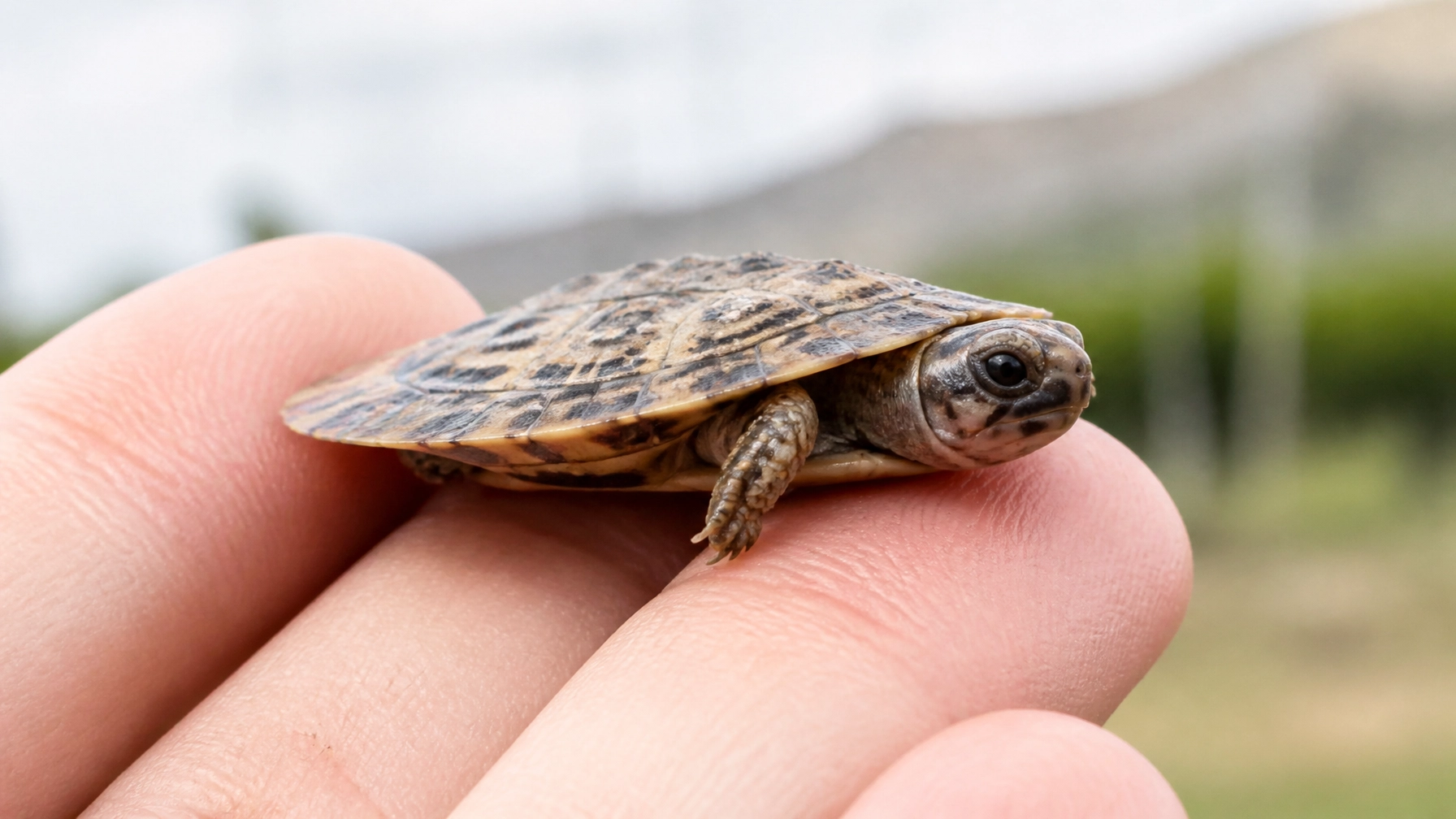
Conservationists at Jimmy’s Farm & Wildlife Park in Suffolk are celebrating a significant breakthrough following the successful hatching of a critically endangered pancake tortoise.
The arrival of the female hatchling represents a vital achievement for the park's dedicated breeding programme and offers a rare glimmer of optimism for a species currently teetering on the edge of extinction in the wild.
The pancake tortoise, scientifically known as Malacochersus tornieri, is native to the rocky hillsides of East Africa. Unlike the typical domed shells seen on most tortoises, this species possesses a remarkably flat and flexible shell, which allows it to retreat into narrow rock crevices to escape predators. This unique adaptation, while effective in the wild, has made the species a prime target for the illegal pet trade, leading to a catastrophic decline in their natural populations.
Staff at the Suffolk wildlife park, located near Ipswich, have been monitoring the incubation process with meticulous care. The birth of this healthy female is the culmination of years of specialist work and husbandry. The hatchling, which is currently small enough to fit comfortably in the palm of a hand, is already being hailed as a "symbol of hope" by those tasked with her care. Her presence in Suffolk is not merely a local curiosity but a contributing factor to the global effort to safeguard the genetic diversity of the species.
A specialised approach to conservation
The successful hatching of a pancake tortoise is no small feat. The species is notorious for being difficult to breed in captivity due to its specific environmental requirements and slow reproductive cycle. Females typically lay only one or two eggs at a time, and the incubation period can vary significantly depending on temperature and humidity levels. At Jimmy's Farm, the team employed advanced monitoring techniques to ensure the egg remained viable throughout its development.
The park has long been home to a group of adult pancake tortoises, including a well-known male named Waffle. The establishment of a stable breeding colony has been a long-term goal for the wildlife team, who view each successful birth as a testament to their refined husbandry practices. By creating a habitat that closely mimics the arid, rocky terrain of their native Tanzania and Kenya, the park has provided the necessary conditions for these shy reptiles to thrive and reproduce.
This new arrival will eventually join the rest of the colony, but for now, she remains under close observation in a controlled environment. The focus remains on ensuring she reaches her developmental milestones, including maintaining a steady weight and displaying the natural foraging behaviours characteristic of the species. Her health and progress are being documented as part of a wider data-sharing initiative among conservationists worldwide.
The struggle for survival in the wild
The plight of the pancake tortoise in its native habitat is a stark reminder of the challenges facing biodiversity today. Habitat loss, driven by agricultural expansion and charcoal production, has fragmented the rocky outcrops they call home. However, the most immediate threat remains the international demand for exotic pets. Because of their unique appearance and relatively small size, thousands of pancake tortoises have been illegally removed from the wild over the last few decades.
International trade regulations have been tightened significantly in recent years, with the species now listed under Appendix I of CITES, the highest level of protection. This means that commercial international trade in wild-caught specimens is strictly prohibited. Despite these measures, the black market persists, making captive breeding programmes in institutions like Jimmy's Farm even more critical. These programmes act as a biological insurance policy, ensuring that the species does not vanish entirely if wild populations continue to dwindle.
Education also plays a vital role in the park's mission. By allowing visitors to see these rare creatures first-hand, the team hopes to foster a deeper understanding of the complexities of wildlife conservation. The story of the pancake tortoise highlights the interconnectedness of global ecosystems and the impact that human activity can have on even the most specialised and resilient species.
Future prospects for the Suffolk hatchling
As the young tortoise continues to grow, her role within the international breeding community will become increasingly important. She represents a fresh genetic line that could be pivotal for future conservation efforts. While there are currently no immediate plans for reintroduction into the wild: given the ongoing threats in East Africa: the maintenance of a healthy, genetically diverse captive population remains the primary objective.
The public has already shown a keen interest in the hatchling, with the park inviting suggestions for her name. This engagement helps to raise the profile of lesser-known endangered species that often struggle to compete for attention against larger, more charismatic megafauna like elephants or rhinos. The pancake tortoise may be small and unassuming, but its survival is a key indicator of the health of the unique ecosystems it inhabits.
For the staff at Jimmy’s Farm, the work continues unabated. Each day brings new challenges and rewards as they care for some of the world's most vulnerable animals. The birth of this single tortoise may seem like a small victory in the grand scheme of the global extinction crisis, but it serves as a powerful reminder that dedicated conservation efforts can, and do, yield tangible results. In the quiet corners of the Suffolk countryside, a tiny tortoise is carrying the weight of her species' future on her very flat back.