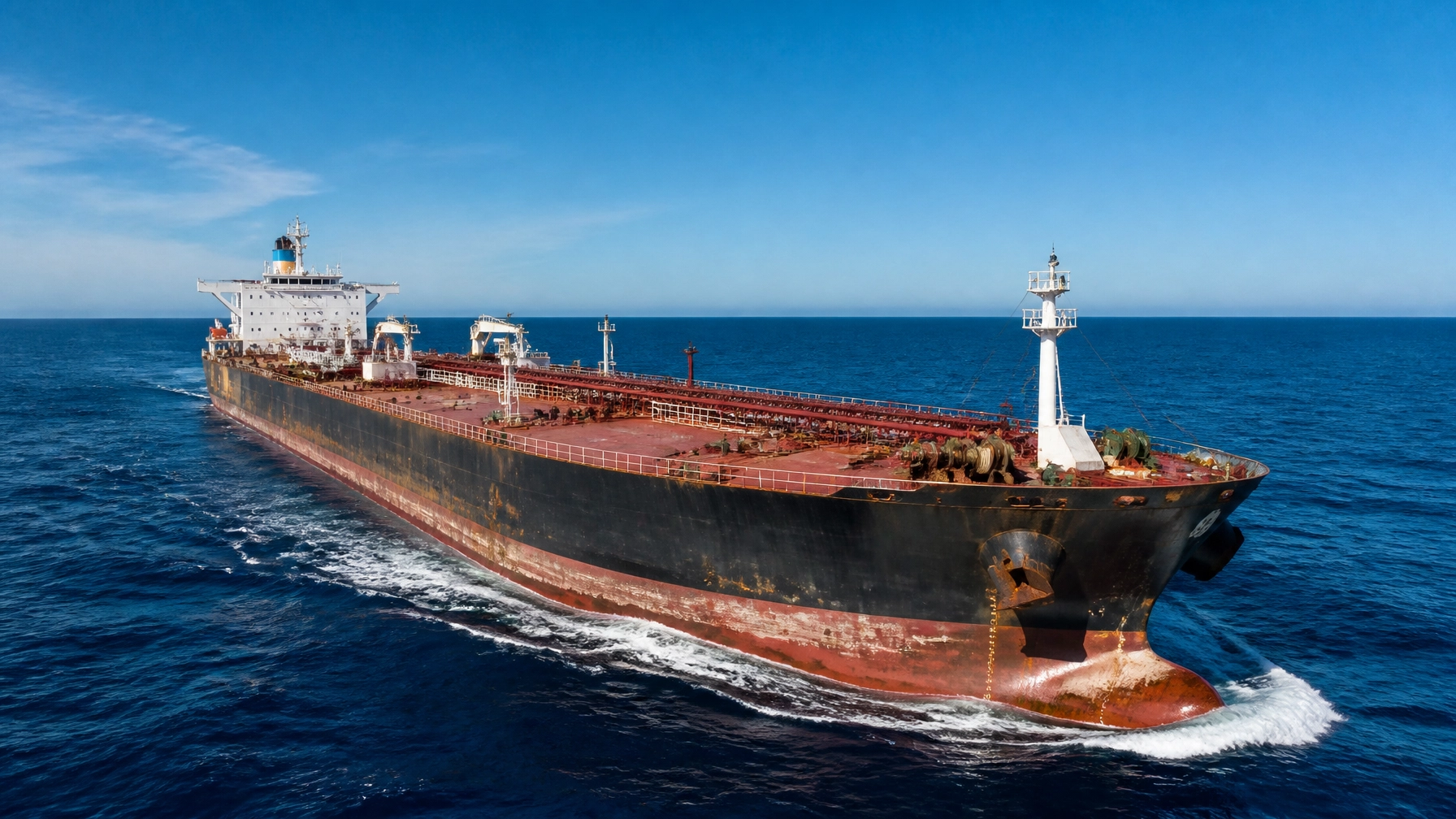
The grey, choppy waters of the English Channel became the stage for a significant escalation in the economic conflict between the United Kingdom and the Kremlin this week.
In a move that signals a shift from diplomatic posturing to direct physical enforcement, British authorities have officially charged the captain of a vessel suspected of being part of Russia’s elusive "shadow fleet." Ajay Pant, a 38-year-old Indian national, now faces the full weight of British maritime law after his tanker, the Smyrtos, was intercepted and boarded in an operation that combined the precision of the Royal Marines with the investigative reach of the National Crime Agency.
This development marks a turning point in how the West handles the hundreds of ageing tankers that continue to transport Russian oil across the globe, often operating without Western insurance or transparent ownership structures. For months, these vessels have been the subject of sanctions on paper, but the detention of the Smyrtos and the subsequent criminal charges against its master suggest that the days of consequence-free evasion may be coming to an end. The ship, now anchored off the coast of Weymouth, serves as a floating testament to a new, more aggressive stance by the British government in its attempt to choke off the revenue streams funding the ongoing conflict in Ukraine.
The High-Stakes Interception of the Smyrtos
The operation began in the early hours of Sunday morning, far from the public eye but under the intense scrutiny of British intelligence. Royal Marine commandos, supported by officers from the National Crime Agency (NCA), executed a tactical boarding of the Smyrtos as it moved through the English Channel. The vessel, a large oil tanker laden with cargo, was redirected under the escort of the Royal Navy frigate HMS Sutherland and the minehunter HMS Ledbury. The sight of a sanctioned tanker being led into British territorial waters by naval warships provided a stark visual of the UK’s commitment to enforcing its maritime boundaries and international sanctions.
Following the boarding, the NCA confirmed that Captain Pant had been charged with "directly or indirectly supplying or delivering by ship prohibited oil or oil products from Russia to a third country." This specific charge falls under the Russia (Sanctions) (EU Exit) Regulations 2019, a piece of legislation that has been steadily expanded since early 2022. While 24 crew members remain on board the vessel: primarily nationals from Georgia and India: it is the captain who has been singled out for legal accountability. The ship remains under formal detention, its presence off the Dorset coast a permanent reminder to other operators in the shadow fleet that the English Channel is no longer a safe corridor for the transport of illicit Russian energy products.
The logistics of the detention involve a complex coordination between the NCA, the Maritime and Coastguard Agency, and the Royal Navy. The Smyrtos is not merely a single ship; it represents a node in a vast, dark network of maritime commerce designed specifically to bypass the G7’s price cap on Russian oil. By bringing the vessel to a standstill and placing its master before a magistrates' court, British authorities are attempting to puncture the veil of anonymity that these ships rely on. The move demonstrates that the UK is willing to use its naval and legal assets to physically disrupt the flow of Russian oil, rather than relying solely on the financial sector to freeze assets or deny insurance.
Dismantling the Kremlin’s Maritime Lifeline
The "shadow fleet" has long been a thorn in the side of Western strategists. Estimated to consist of nearly 600 vessels, this fleet allows Moscow to continue exporting its most valuable commodity despite the sweeping sanctions intended to cripple its economy. These ships are often older, poorly maintained, and operate under flags of convenience from nations that lack the oversight or will to enforce international regulations. More importantly, they frequently operate without P&I (Protection and Indemnity) insurance from the International Group of P&I Clubs, which covers the vast majority of the world’s commercial shipping. This lack of standard insurance not only facilitates sanctions evasion but also poses a massive environmental risk to the coastlines they transit.
The UK government has been steadily adding individual ships and shipping companies to its sanctions list, but until now, the focus has been on blocking access to British ports and services. The detention of the Smyrtos represents the first time a vessel has been physically seized and its captain charged under these specific regulations on the high seas. Government officials have framed this as a critical blow to the Russian war economy. By targeting the "master" of the vessel, the NCA is sending a clear message to the global maritime community: serving as an officer on a shadow fleet vessel carries personal, criminal risk. It is no longer just the anonymous corporate entity behind the ship that faces penalties, but the individuals who navigate them.
The economic impact of the shadow fleet cannot be overstated. By moving oil outside of Western-regulated channels, Russia has been able to maintain a level of revenue that has confounded early predictions of an economic collapse. This revenue is the lifeblood of its military operations, funding the production of munitions, the payment of soldiers, and the maintenance of its domestic stability. The UK’s decision to intervene physically in the English Channel suggests a realization that financial sanctions alone are insufficient. To truly impact the Kremlin’s bottom line, the physical infrastructure of the oil trade: the ships and the people who run them: must be targeted.
A Legal Precedent in the English Channel
The legal proceedings against Ajay Pant at Southampton Magistrates’ Court will be watched closely by international lawyers, maritime insurers, and rival governments alike. This case tests the limits of British jurisdiction over foreign-flagged vessels in international waters and the specific application of the 2019 sanctions regulations. If the prosecution is successful, it establishes a powerful precedent that could be used to detain dozens, if not hundreds, of other vessels that regularly pass through the Dover Strait. The English Channel is one of the busiest shipping lanes in the world, and a significant portion of Russia’s western oil exports must transit through these waters to reach global markets.
Beyond the immediate legalities, the detention of the Smyrtos raises questions about the future of maritime security in Northern Europe. If the UK continues this policy of active interception, it could lead to increased tensions in the Channel. However, proponents of the move argue that the environmental and security risks posed by the shadow fleet justify such measures. These vessels often engage in "ship-to-ship" transfers in the open ocean to hide the origin of their cargo, a practice that is notoriously dangerous and prone to spills. By forcing these ships into port and subjecting them to inspection and legal scrutiny, the UK is also acting to protect its own environmental interests.
As the legal process unfolds, the Smyrtos will remain a high-profile symbol of the shifting frontlines of the global sanctions regime. The captain’s appearance in court is just the beginning of what is likely to be a prolonged legal battle, involving complex arguments over international maritime law and the sovereignty of the seas. Yet, the message from London is unambiguous: the shadow fleet is no longer invisible, and the UK is prepared to use every tool at its disposal: from the courtroom to the commando: to ensure that sanctions are more than just words on a page. The maritime lifeline that has sustained the Kremlin for over two years is finally being squeezed, one tanker at a time.