In an era where digital communication and fleeting career changes have become the norm, a story from the heart of the Cheshire countryside serves as a powerful reminder of the enduring value of traditional initiative and long-term mentorship.
It began thirteen years ago with a single, handwritten letter. Jack Ancell, then just a ten-year-old schoolboy with a profound fascination for heavy machinery and the rhythmic life of the outdoors, decided to reach out to a local businessman. He didn't send an email or a social media message; he put pen to paper and wrote to Richard Beaman, a well-known farmer in the region, asking for nothing more than a chance to see how a working farm operated.
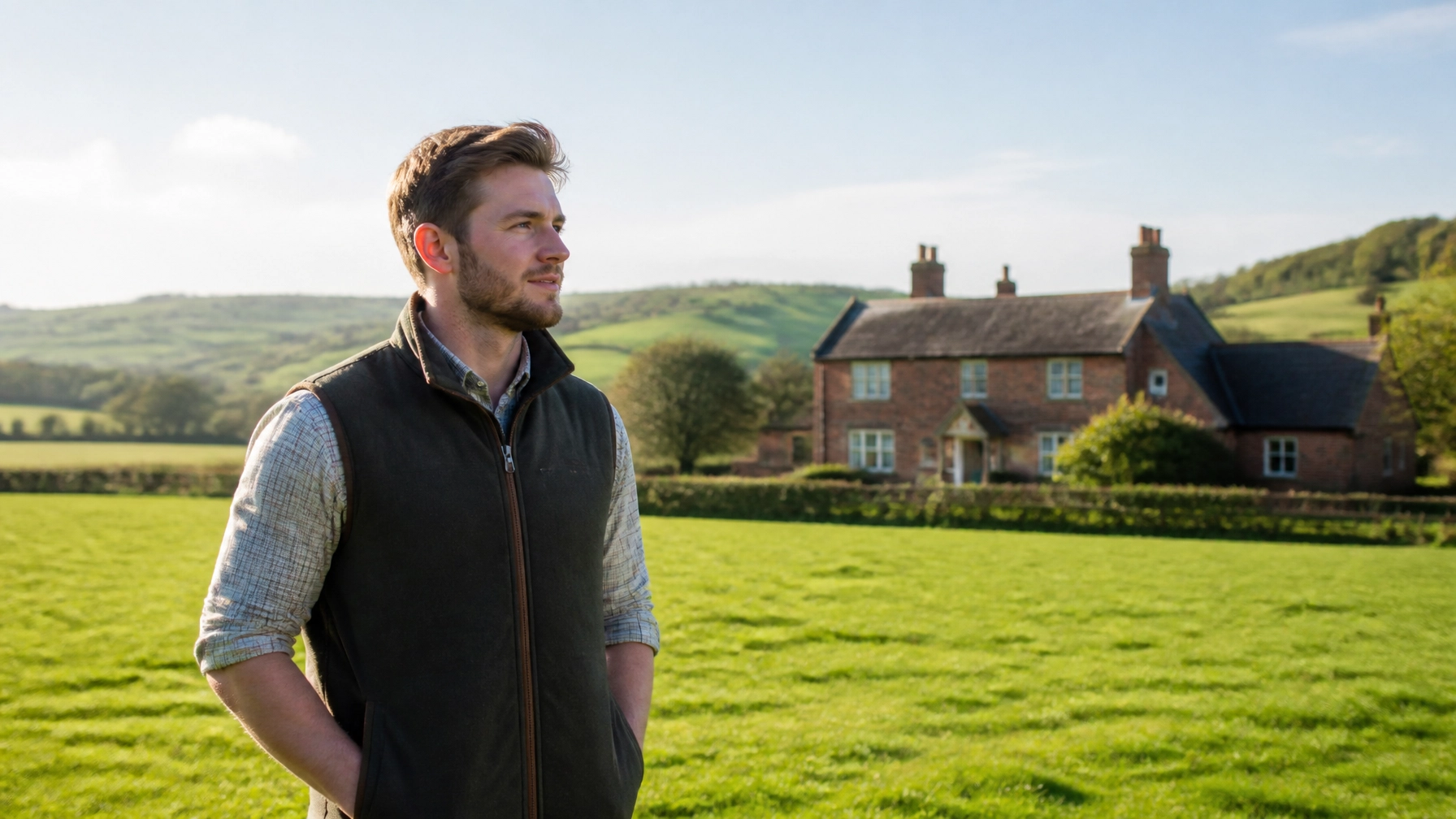
That simple gesture of childhood ambition sparked a partnership that has spanned over a decade. Today, at twenty-three, Jack is no longer the curious boy standing at the edge of the field. He has transitioned from an eager volunteer to a pivotal figure within the business, helping to manage and lead operations on the very farm that first captured his imagination. His journey is more than just a personal success story; it is a blueprint for how the British agricultural sector can bridge the widening gap between generations and ensure that the vital skills of the land are not lost to time.
A Childhood Ambition Set in Ink
The initial contact between Jack and Richard was born from a genuine, unadulterated passion for farming. For many children, an interest in tractors or livestock is a passing phase, but for Jack, it was a calling. His letter to Richard Beaman was polite, direct, and remarkably focused for a child of ten. He expressed a desire to learn, to work, and to be around the environment he loved. In an industry that often feels increasingly inaccessible to those not born into farming families, Jack’s proactive approach was a breath of fresh air.
Richard Beaman recalls being struck by the sincerity of the letter. In a world where the agricultural workforce is aging and recruitment is a perennial challenge, seeing such enthusiasm from a youngster was something he felt compelled to encourage. He invited Jack to the farm, initially for small tasks and work experience. What started as weekend visits and summer holiday help gradually evolved into something far more substantial. Jack didn't mind the less glamorous aspects of the job; he was happy to sweep floors, wash down equipment, and observe the complex logistics of a modern agricultural enterprise.
This early exposure was crucial. It allowed Jack to see the reality of farming: the long hours, the reliance on weather, and the physical demands: before he was old enough to even consider it as a career. Because he was given a seat at the table so early, he developed an instinctive understanding of the land and the machinery that few can replicate through formal education alone. The letter was the key that opened the door, but it was Jack’s consistent presence and willingness to learn that kept it open.
Cultivating Skill Through Decades of Mentorship
The transition from a primary school student to a lead member of the farming team did not happen overnight. It was the result of thirteen years of steady, patient mentorship. Richard Beaman provided more than just a job; he provided a masterclass in agricultural management. As Jack grew older, his responsibilities expanded in tandem with his skills. He moved from basic maintenance to operating complex machinery, and eventually, to taking on a role in the decision-making processes that keep the farm viable in a competitive market.
This kind of long-form mentorship is becoming increasingly rare in the modern UK economy. Most career paths are now defined by rapid transitions and short-term placements. However, the agricultural sector remains one of the few places where the relationship between a mentor and a protégé can truly flourish over decades. For Jack, having a mentor like Richard meant he had a constant source of knowledge and a safety net that allowed him to take on new challenges with confidence.
For the farm, the benefits were equally significant. Richard gained a loyal, highly skilled team member who understands the specific nuances of the Cheshire terrain and the particular needs of the business. Jack’s progression into a leadership role has brought a fresh perspective to the operation, blending the traditional wisdom he inherited from Richard with a younger generation’s comfort with new technology and evolving agricultural practices. This synergy is essential for any business looking to survive in the twenty-first century, especially one as volatile as farming.
Sowing the Seeds for the Next Generation
Jack’s story arrives at a critical juncture for British agriculture. With the average age of a UK farmer currently hovering around 59, the industry is facing a significant demographic challenge. There is an urgent need to attract younger people into the profession, yet the barriers to entry: ranging from high land prices to the specialized knowledge required: can be daunting. Jack Ancell’s experience demonstrates that while these barriers are real, they are not insurmountable when established farmers are willing to invest time in the youth of their communities.
The success of this partnership highlights a potential path forward for rural businesses. By fostering connections with local schools and encouraging young people to engage with the land through work experience and apprenticeships, the industry can create its own talent pipeline. Jack’s journey from a ten-year-old with a pen to a twenty-three-year-old leader is proof that talent is often waiting just over the hedge, needing only an invitation and a bit of guidance to flourish.
As Jack continues to help run the farm in Cheshire, he stands as a testament to the power of persistence. His story is an uplifting reminder that sometimes, the most traditional methods of communication can lead to the most modern of successes. It began with a letter, but it has resulted in a career, a lifelong mentorship, and a vital contribution to the future of British farming. For other young people looking to break into industries that seem out of reach, Jack’s advice is simple: don't be afraid to reach out. You never know which letter might change the course of your life.