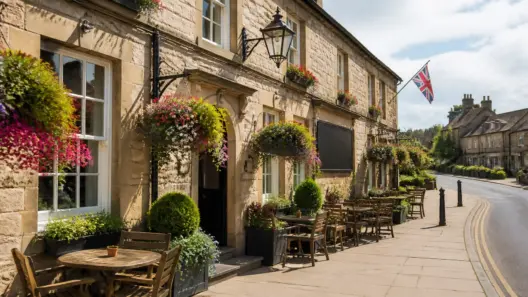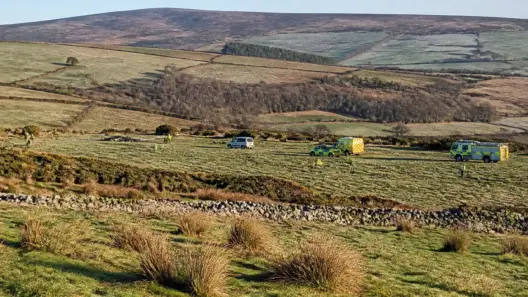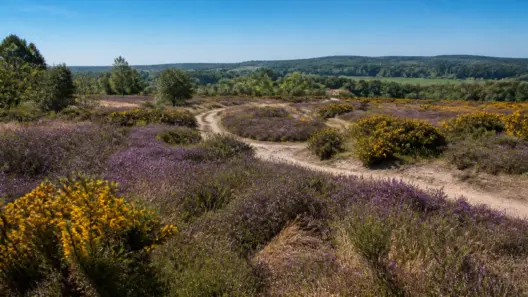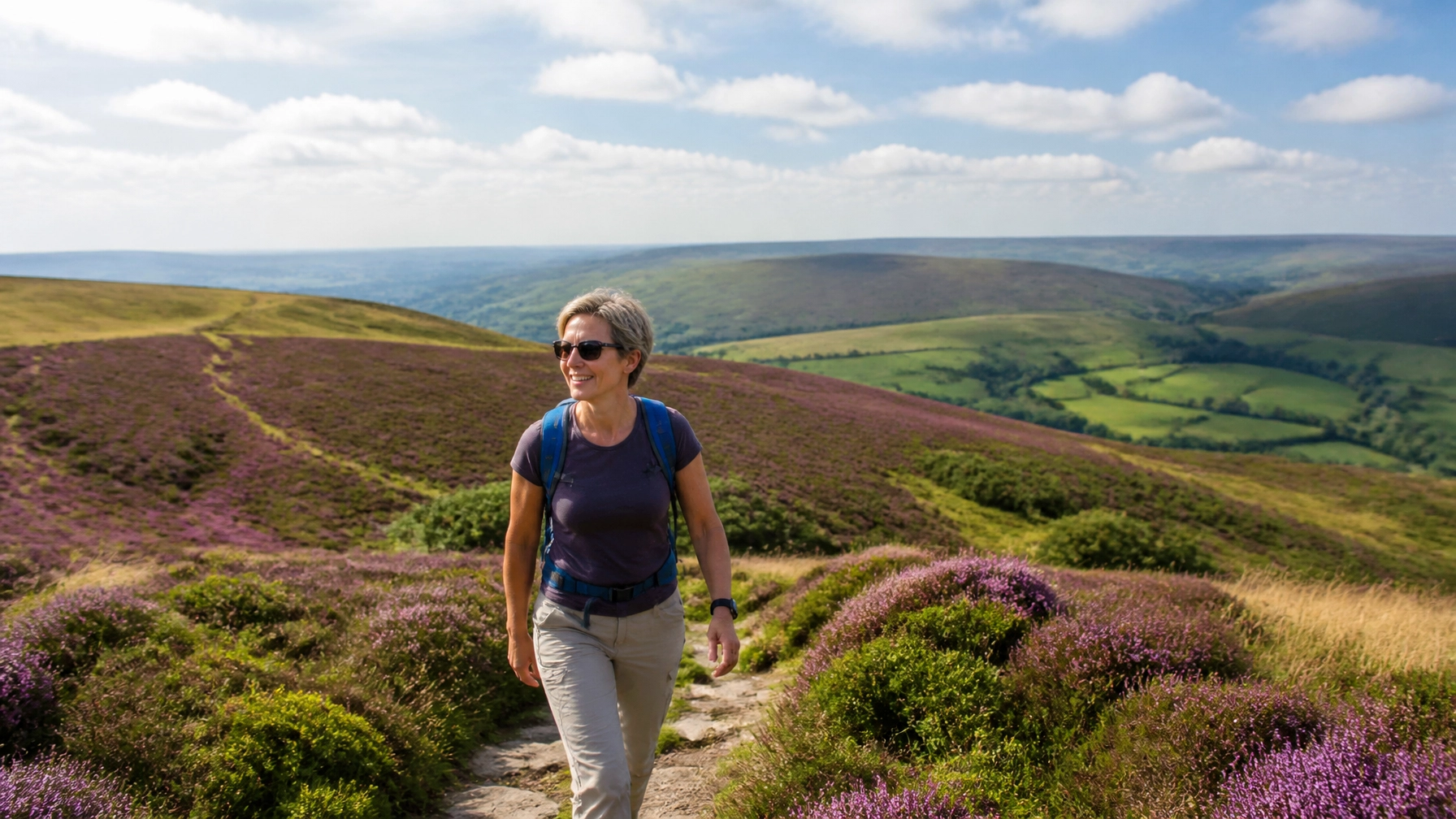
The rolling hills and rugged moorlands of North Yorkshire have long been a sanctuary for those seeking an escape from the frantic pace of modern life. However, a recent pioneering trial has moved beyond anecdotal evidence to prove that the region’s natural beauty is more than just a scenic backdrop; it is a vital tool for public health. A ten-week pilot programme, branded as a ‘Natural Health Service’, has produced remarkable results, suggesting that a simple stroll through the heather might be as effective as traditional clinical interventions for certain conditions.
Working across the North York Moors and wider Yorkshire landscapes, the initiative invited participants to engage with the environment through structured activities including guided walks, conservation work, and mindful nature observation. The data gathered from this period is being hailed as a potential turning point for how the healthcare system addresses the growing crisis of mental and physical wellbeing. By shifting the focus from the pharmacy to the forest, the trial has demonstrated that the natural world offers a low-cost, high-impact supplement to conventional medicine.
Measuring the impact on mind and body
The core of the trial’s success lies in its quantifiable outcomes. Over the ten-week duration, organisers meticulously tracked the progress of participants, and the final figures have exceeded even the most optimistic projections. Results showed a 24 per cent increase in reported mental wellbeing, a statistic that underscores the profound psychological relief found in outdoor spaces. Participants reported reduced feelings of anxiety, a decrease in the symptoms of depression, and a significant boost in overall life satisfaction.
Physical health benefits were equally evident, with a 13 per cent improvement across a range of indicators including cardiovascular fitness and mobility. For many involved, the programme served as a gateway to regular exercise that felt less like a chore and more like a discovery. Unlike the often-stifling environment of a gymnasium, the variety of the North Yorkshire terrain provided a naturally challenging workout that adapted to different fitness levels. This dual-action success: tackling both the mind and the body simultaneously: is what makes the ‘Natural Health Service’ concept so compelling for a healthcare system currently struggling under the weight of chronic, lifestyle-related illnesses.
Political backing and the regional vision
The success of the pilot has caught the attention of regional leaders, most notably the Mayor of York and North Yorkshire, David Skaith. His support for the initiative marks a significant step in moving green social prescribing from the fringes of experimental therapy into the mainstream of regional policy. For the Mayor, the trial is not just about health; it is about the identity and utility of the Yorkshire landscape. By integrating the North York Moors into a formal health strategy, the region is positioning itself as a leader in innovative, community-focused care.
Mayor Skaith has been vocal about the need for sustainable, locally-led solutions to the challenges facing the North. He views the ‘Natural Health Service’ as a prime example of how local assets can be leveraged to reduce the pressure on overstretched local services. The political backing suggests that this pilot will not be a one-off event but rather the foundation for a permanent fixture in the regional health landscape. The ambition is to create a system where a doctor can refer a patient to a conservation project or a walking group with the same confidence and administrative ease as they would prescribe a course of medication.
A sustainable future for green social prescribing
While the initial trial has concluded, the conversation it started is only just beginning. The challenge now lies in scaling these results to benefit a wider demographic and ensuring that such programmes are accessible to those who need them most. One of the key takeaways from the Yorkshire pilot was the importance of the social aspect of the activities. Participants did not just walk; they talked, worked together on environmental projects, and built new support networks. This community-building element is seen as a crucial factor in the 24 per cent mental health boost, providing a sense of belonging that is often missing from urban existence.
Looking ahead, the focus will turn to how this model can be funded and maintained. With the evidence now firmly on the table, the argument for investment is becoming harder to ignore. If a ten-week stint in the North York Moors can deliver such significant improvements in physical and mental health, the potential for long-term savings for the healthcare system is vast. The Yorkshire trial has provided a blueprint for a future where the health of the people and the health of the land are inextricably linked, proving that sometimes, the best medicine is right on our doorstep.