Britain is mourning the loss of eleven people who have tragically drowned in open water as a record-breaking heatwave continues to bake the country.
From the sun-drenched coastlines of the south to the inland reservoirs of the north, the lure of cooling off has turned into a series of fatal accidents that have left families devastated and emergency services at breaking point.
As temperatures consistently topped thirty-five degrees Celsius across much of the United Kingdom this week, the sheer number of people flocking to unregulated swimming spots has increased exponentially. While the coastline remains a popular destination, many have sought relief in rivers, lakes, and abandoned quarries: locations that are often fraught with hidden dangers that even strong swimmers fail to anticipate. The victims, ranging from teenagers to middle-aged adults, were caught out by a combination of factors that illustrate just how treacherous British waters can be, even during a period of extreme warmth.
The national mood has shifted from one of summer celebration to sombre reflection. Police and fire services have been working tirelessly to recover bodies and provide support to witnesses, many of whom were friends or family members present at the scene of these accidents. The speed at which a pleasant afternoon can turn into a life-and-death struggle has been a recurring theme in the reports coming in from across the nation.
The Human Toll of the Rising Mercury
The scale of this tragedy is unprecedented for a single week of summer weather. In the Midlands, two teenage boys were lost after entering a disused quarry, a site that had been repeatedly flagged by local authorities as a "death trap" due to its steep sides and unpredictable depths. Despite clear signage and fencing, the heat proved too much of a temptation for the pair, who were seen struggling shortly after entering the water. In the north-west, a father in his late thirties died while attempting to rescue his young daughter who had been swept away by a sudden current in a popular river. While the child was eventually pulled to safety by bystanders, her father was unable to battle the force of the water and disappeared beneath the surface.
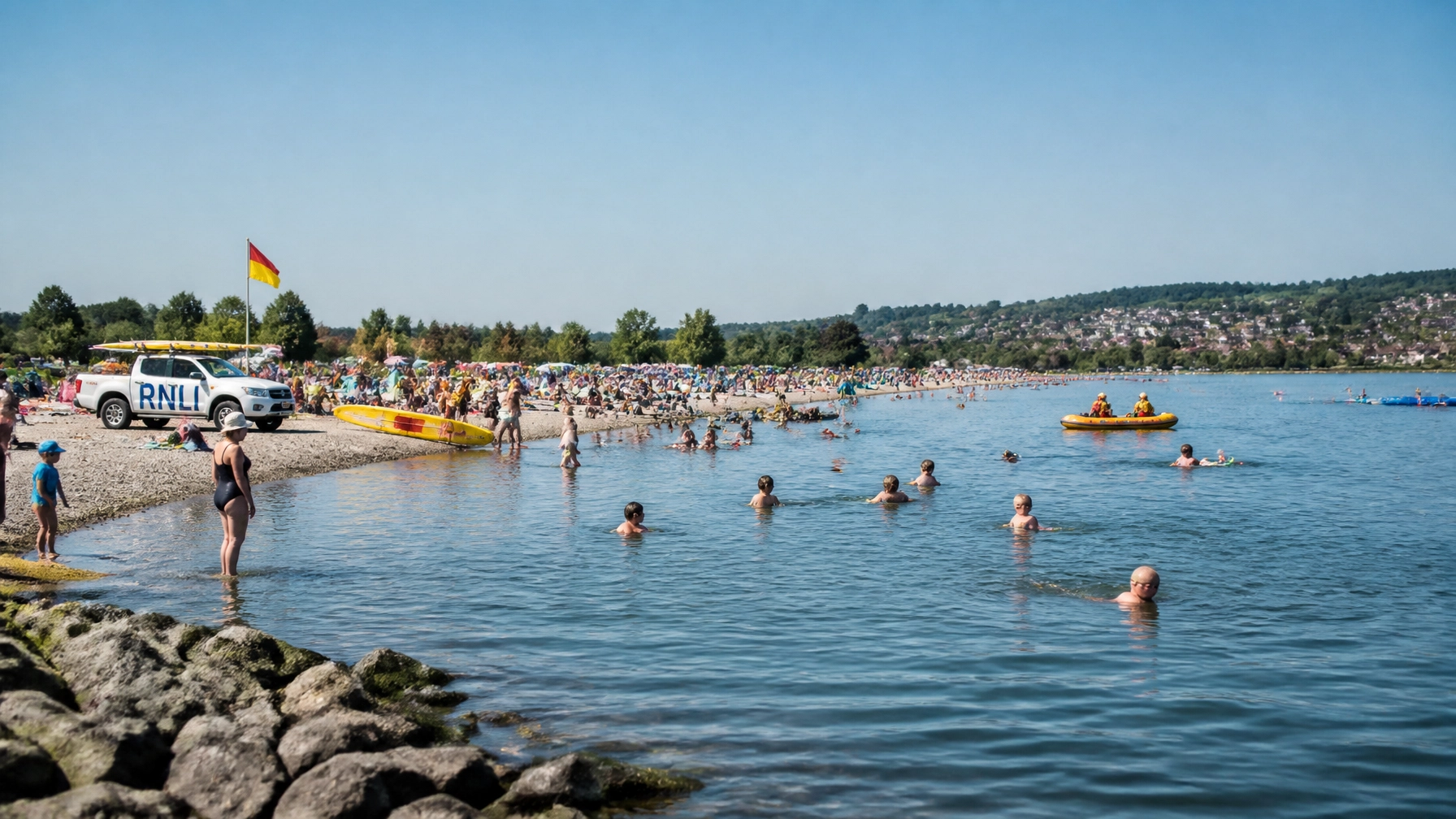
These stories are being echoed in coastal towns as well. Even in areas where lifeguards are present, the sheer volume of visitors has made it difficult for patrols to monitor every swimmer. Off the coast of Kent, three individuals were caught in a powerful rip current during the peak of the afternoon sun. Despite the best efforts of the RNLI and local coastguard teams, two of the swimmers could not be revived. The third remains in a critical condition in hospital.
The emotional impact on these communities is profound. In one small village near the Scottish border, a local reservoir became the site of a double tragedy when two friends, both university students home for the summer, failed to resurface after jumping from a low bridge. The local community has been left reeling, with many questioning why more isn't done to secure these sites, while others argue that no amount of fencing can stop people from seeking relief when the heat becomes unbearable.
The Hidden Dangers of Cold Water Shock
One of the most misunderstood elements of these tragedies is the phenomenon of cold water shock. While the air temperature may be soaring into the high thirties, the water temperature in British rivers, lakes, and reservoirs remains remarkably low. Even in the height of summer, these bodies of water often hover between twelve and fifteen degrees Celsius. When a person jumps into water this cold, the body’s natural reaction is a sudden, involuntary gasp for air. If the head is submerged at that moment, water is drawn directly into the lungs.
Cold water shock also causes a rapid increase in heart rate and blood pressure, which can lead to cardiac arrest in vulnerable individuals or those with underlying health conditions. For those who survive the initial shock, the next challenge is physical exhaustion. The cold causes the muscles to stiffen and blood to flow away from the extremities to protect the core organs. This means that even a competent swimmer can lose the ability to move their arms and legs within minutes.
Many of the deaths recorded this week involved individuals who were considered fit and healthy. The misconception that "it won't happen to me" is a significant hurdle for safety campaigners. In unregulated waters, there are additional hazards such as submerged machinery, thick reeds, and discarded waste that can snag a swimmer’s limbs. In reservoirs, there is the added danger of underwater pipes and pumps that create powerful suction, making it impossible for someone to swim back to the surface.
Emergency Services Urge Caution and Awareness
The emergency services have issued a stark plea to the public to stay away from unsupervised waters. Fire chiefs and police commanders have held press conferences throughout the week, highlighting the strain that these incidents place on their resources. Every water rescue requires a specialist team, divers, and often helicopter support, drawing personnel away from other critical incidents.
Specialist rescue officers have pointed out that many people do not realise how different swimming in a pool is from swimming in the wild. In a pool, the environment is controlled, the water is clear, and help is seconds away. In a river or lake, the water is often opaque, the bottom is uneven, and the current can change without warning. The advice from officials remains consistent: stick to lifeguarded beaches or public swimming pools. If you do find yourself in trouble in the water, the core message is to "float to live." This involves leaning back, spreading your arms and legs like a starfish, and resisting the urge to thrash around. By staying calm and floating, you allow your body to recover from the initial shock and catch your breath before calling for help.
As the heatwave is expected to persist for several more days, there are fears that the death toll could rise further. Local councils are considering temporary closures of certain parks and access points to discourage swimming, but the vastness of the British countryside makes total enforcement impossible. The responsibility, officials say, ultimately lies with the individual. The desire to cool down is understandable, but the price of a few minutes of relief should never be a life. As the sun sets on another scorching day, the nation remains on high alert, hoping that the lessons of this tragic week will be heeded before more lives are lost to the water.