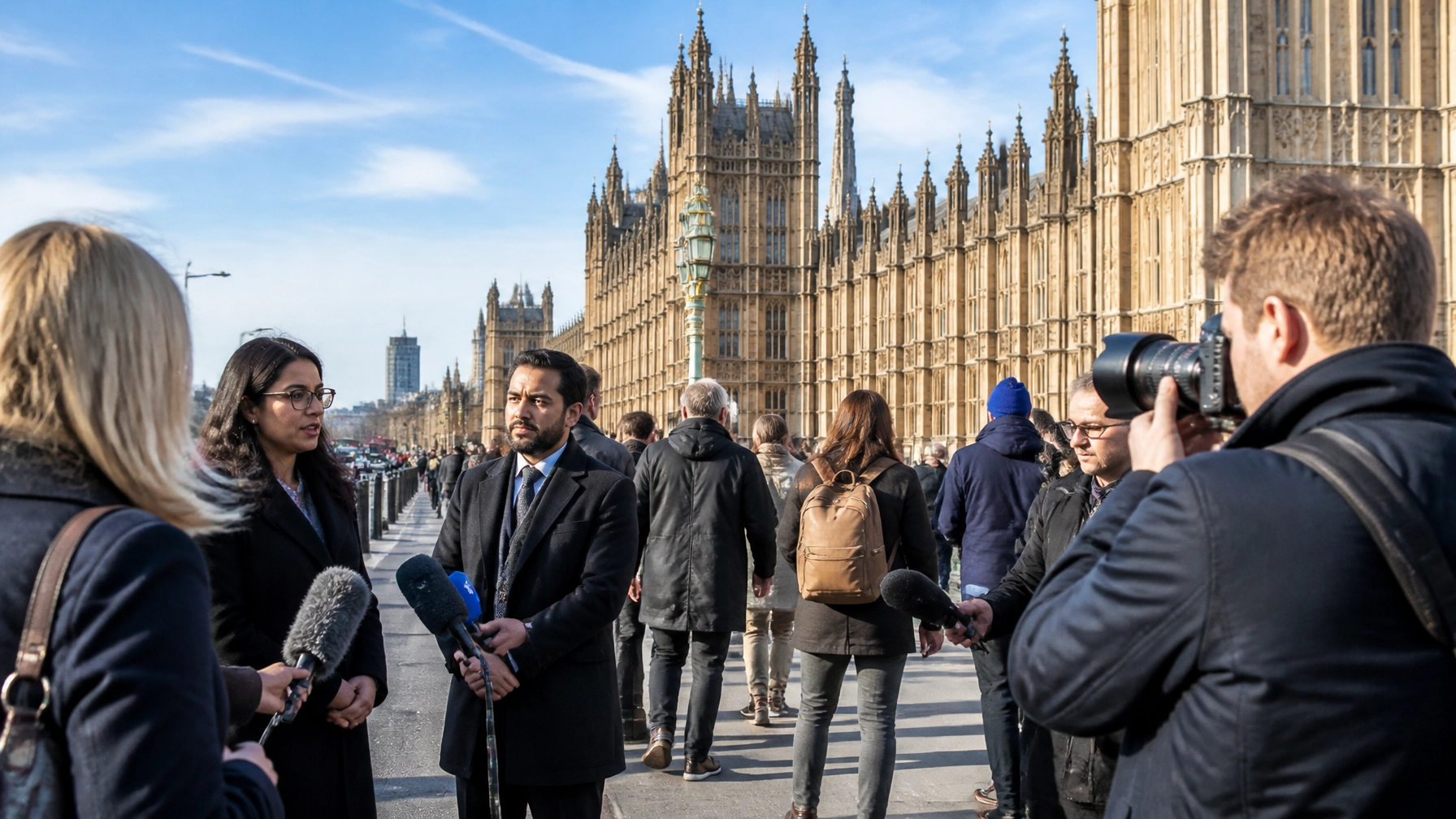
A group of 27 Members of Parliament has formally requested an investigation into Reform UK by the Equality and Human Rights Commission (EHRC), alleging a systemic failure to address Islamophobia within the party's ranks. The group, comprising 26 Labour MPs and one independent, submitted a detailed dossier to the national equalities watchdog, claiming there is overwhelming evidence that the political organisation has breached its legal obligations under the Equality Act 2010. This move marks a significant escalation in the political confrontation over rhetoric and race relations in modern Britain, as the complainants argue that the party has fostered an environment where anti-Muslim sentiment is not only tolerated but occasionally encouraged by its leadership.
The letter sent to the EHRC chair outlines a series of incidents spanning several years, which the signatories claim demonstrate a consistent pattern of discriminatory behaviour. According to the MPs, various politicians and members associated with the party have made public comments that are described in the complaint as clearly racist and specifically targeted at the Muslim community. The group maintains that such rhetoric does not exist in isolation but has a direct and detrimental impact on the millions of British Muslims living in the country today. By bringing these allegations to the statutory body responsible for enforcing non-discrimination laws, the MPs are seeking a formal probe that could potentially lead to legally binding recommendations for the party.
In response to the formal report, a spokesperson for the party under scrutiny remained defiant, stating that they stand by their previous comments and will not be intimidated by what they perceive as a political manoeuvre. This set the stage for a high-stakes legal and ethical debate over the boundaries of political speech and the responsibilities of political organisations to prevent the marginalisation of minority groups. The lead signatory on the complaint, Afzal Khan, highlighted what he termed a consistent failure to tackle a growing problem, accusing his political opponents of engaging in regular attacks on Muslim communities through both policy proposals and public statements.
The Evidence and Alleged Pattern of Hostility
The evidence presented to the EHRC focuses on a variety of public interventions made by high-profile figures within the party. One of the central pillars of the complaint involves criticisms directed at a mass Muslim prayer event held in Trafalgar Square. Complainants argue that the rhetoric used to describe the event was Islamophobic and that suggestions to ban such gatherings from historic British sites constitute a form of discrimination based on faith. The dossier further identifies several other representatives in various legislative bodies across the United Kingdom, including the Scottish Parliament and the Welsh Senedd, as having contributed to a hostile atmosphere through their social media activity and public addresses.
This formal complaint comes at a time when the British political landscape is increasingly sensitised to the nuances of anti-Muslim hostility. Earlier this year, the government introduced a specific definition of anti-Muslim hostility, a move that followed years of campaigning by advocacy groups and politicians. When this definition was first published, official data suggested that nearly half of all religious hate crimes in the country were targeted at Muslims, representing a record high. The reporting MPs argue that the rhetoric from political organisations plays a crucial role in shaping public attitudes and that the watchdog must intervene when a party's output appears to violate the spirit and the letter of equality legislation.
The dossier submitted by the MPs also raises concerns about how the party manages its internal membership and candidate selection processes. It suggests that individuals with a history of making inflammatory or discriminatory remarks have been allowed to represent the organisation at various levels of government. By failing to sanction these individuals or distance the party from their views, the complainants argue that the leadership has effectively ratified a culture of prejudice. This, they claim, creates a hostile environment for British Muslims and undermines the broader social cohesion that the Equality Act was designed to protect.
Legal Context and the Role of the Watchdog
The Equality and Human Rights Commission has the power to conduct formal investigations into any organisation it suspects of violating the Equality Act 2010. If the watchdog decides to move forward with a probe, it will look at whether the party has engaged in unlawful discrimination, harassment, or victimisation. Such investigations are rigorous and can take several months, involving a thorough review of internal communications, public statements, and the party’s rulebook. Historically, the EHRC has not shied away from investigating major political parties, and its findings can have profound legal and reputational consequences for those involved.
In the context of the current complaint, the EHRC will need to determine if the evidence provided by the Labour MPs meets the threshold for a formal investigation. The watchdog typically looks for evidence of systemic issues rather than isolated incidents. The signatories to the letter are confident that their dossier proves a widespread and structural problem. They point to the fact that 27 different representatives, including the Mother of the House, have felt compelled to put their names to the document as evidence of the seriousness of the situation. The goal of the complaint is to force a change in how the party operates, ensuring it adheres to the same standards of conduct expected of any other public institution in the country.
The broader political implications of an EHRC probe cannot be understated. For the party being reported, an investigation would represent a significant challenge to its public image and its claim to be a mainstream political force. Conversely, the party’s supporters often view such complaints as an attempt to stifle debate on sensitive issues like immigration and national identity. This tension highlights the difficult role the EHRC plays in balancing the right to free speech with the right to live free from discrimination. The watchdog's decision on whether to launch a full-scale inquiry will be closely watched by all sides of the political spectrum.
Social Impact and the Path Ahead for Representation
The MPs behind the report emphasize that their primary concern is the real-world consequence of political rhetoric on the streets of Britain. They argue that when political leaders use language that targets a specific religious or ethnic group, it can embolden those who wish to commit acts of harassment or violence. The record levels of hate crime cited in government statistics are, in their view, a direct reflection of a coarsened public discourse. By holding political parties accountable for their words and the actions of their members, the MPs hope to create a safer and more inclusive political environment for all citizens, regardless of their background or faith.
Beyond the immediate legal questions, the complaint raises fundamental issues about representation and the future of British democracy. If a significant political party is found to be systematically discriminatory, it calls into question the fairness of the electoral process and the ability of minority communities to feel represented in the halls of power. The complainants argue that the current situation prevents British Muslims from engaging fully in the democratic process, as they may feel targeted or excluded by the very organisations seeking their votes. A formal investigation by the EHRC could provide a roadmap for reform, offering clear guidelines on how political parties can ensure they remain compliant with equality laws while still engaging in robust political debate.
As the EHRC begins its initial assessment of the dossier, the political fallout continues to grow. The defiant stance of the party in question suggests that they are prepared to fight the allegations in the public arena, framing the dispute as a battle for the soul of the country. Meanwhile, the group of Labour MPs is calling for a broader societal reflection on how we talk about race and religion in the 21st century. Whether or not a formal probe is launched, the act of reporting a major political rival to the national watchdog has already shifted the conversation, forcing a spotlight onto the issues of Islamophobia and the responsibilities of those who seek to lead the nation.