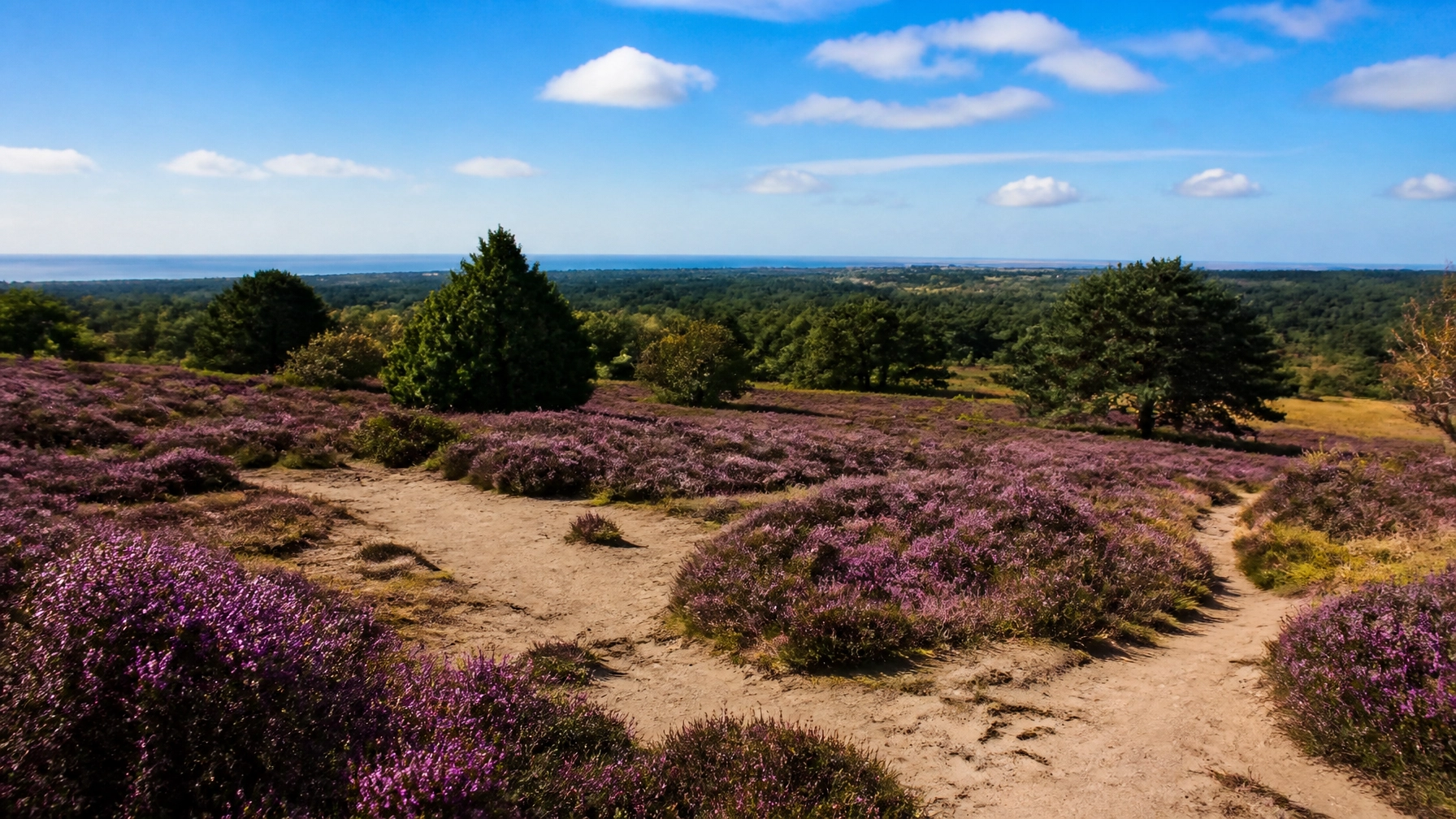
A significant victory for environmental conservation has been recorded in Dorset as a substantial 110-acre portion of Upton Heath was officially secured for wildlife restoration. This landmark acquisition marks the end of a period of uncertainty for one of the county's most vital ecological sites. The successful purchase was made possible through an extraordinary surge of public support and a rapid-response fundraising campaign that captured the imagination of the local community. For years, this specific parcel of land, which sits at the very heart of the Upton Heath Site of Special Scientific Interest, had been subject to various pressures, including the potential for industrial mineral extraction. Now, under the permanent stewardship of the Dorset Wildlife Trust, the landscape is set to undergo a transformative restoration programme that will protect its rare inhabitants for generations to come.
The story of this acquisition is one of local resilience and a shared commitment to the natural world. Upton Heath is part of a fragmented but globally significant network of lowland heathland. These habitats are rarer than tropical rainforests and are home to a specialised suite of plants and animals that cannot survive elsewhere. The 110-acre site in question had previously been managed under a lease agreement that expired in 2020. Since that time, the land had entered a state of limbo, remaining largely unmanaged and vulnerable to decline. When it was announced that the land was to be sold at auction, the risk was immediate. A historic minerals permission attached to the site meant that any private buyer could potentially have pursued the extraction of sand and gravel, a process that would have decimated the fragile topsoil and the ancient seed banks contained within it.
The response to this threat was swift and decisive. Within just two weeks of an emergency appeal being launched, the local community and nature lovers from across the country contributed over £100,000. This groundswell of financial support served as a catalyst, unlocking further essential contributions from Dorset Council and BCP Council, as well as several private donors. This collaborative effort ensured that the purchase price could be met before the land went to open auction, effectively pulling the landscape back from the brink of industrial development. The successful outcome is being hailed as a remarkable community achievement, demonstrating that when local people are given a clear and urgent cause, they possess the power to safeguard their natural heritage.
The Urgent Call to Save a Rare Landscape
The tension surrounding the auction of this land cannot be overstated. For many residents in Poole and the surrounding areas, Upton Heath is more than just a scenic backdrop; it is a vital lung for the urban environment and a place of solace. The news that a central 110-acre block was to be sold triggered a sense of collective anxiety. Lowland heathland is a habitat that requires active, sensitive management to prevent it from being overtaken by scrub and gorse, which can lead to a loss of the open, sun-drenched patches that rare reptiles require. Without a dedicated conservation organisation at the helm, the land faced a double threat: the active destruction of mineral extraction or the passive degradation of neglect.
The fundraising campaign was characterised by a sense of "now or never." The £100,000 raised in a fortnight speaks to the deep connection people feel towards this specific patch of Dorset. It was not merely about hitting a financial target; it was about asserting a collective right to protect a landscape that had become a sanctuary during difficult times. The speed of the public response provided the necessary leverage to secure the additional backing from local authorities. Both Dorset Council and BCP Council recognised that the loss of this land would represent a major setback for the region’s biodiversity targets. By coming together, these organisations and individuals have ensured that the heart of Upton Heath will remain an open, wild space rather than becoming a fenced-off industrial site.
The acquisition also brings a renewed sense of security to the wider heathland network. Upton Heath does not exist in isolation; it is part of a mosaic of protected sites. When a central piece of that mosaic is threatened, the integrity of the entire system is compromised. The successful purchase means that the Dorset Wildlife Trust can now apply a consistent management strategy across the entire heath, rather than dealing with a "donut hole" of unmanaged land in the middle of their reserves. This unified approach is essential for large-scale nature recovery, allowing for the movement of species across a wider landscape and increasing the resilience of the habitat against external pressures.
A Sanctuary for Britain’s Rarest Species
From a purely ecological perspective, the securing of these 110 acres is a monumental win. Upton Heath is one of the few places in the United Kingdom where all six of the nation's native reptile species can be found. This includes the elusive and incredibly rare smooth snake and the vibrant sand lizard. These reptiles are habitat specialists; they require a very specific mix of mature heather for cover and open, sandy patches for basking and egg-laying. The 110-acre site provides these exact conditions, but they are conditions that can only be maintained through careful grazing and scrub control. With the land now secured, conservationists can begin the delicate work of restoring these micro-habitats.
The heath is also a stronghold for rare bird species, most notably the Dartford warbler. This small, dark bird with its distinctive wine-red breast is a true specialist of the gorse and heather. It is particularly vulnerable to hard winters and habitat loss. By securing more land and ensuring it is managed correctly, the population of Dartford warblers has a much better chance of flourishing. The connectivity of the habitat is key here; birds and insects do not respect property boundaries, and a fragmented landscape makes them much more susceptible to local extinction. By filling in the gaps in the protected area, the wildlife trust is creating a robust corridor that allows for greater genetic diversity and a more stable population across the board.
In addition to the high-profile reptiles and birds, the heath is home to a vast array of rare invertebrates and plants. From the carnivorous sundews that thrive in the boggy hollows to the various species of mining bees that inhabit the sandy banks, the biodiversity of Upton Heath is staggering. Many of these species are so specialised that they cannot survive in any other habitat. The threat of mineral extraction would have been absolute for these colonies; once the topsoil is removed and the hydrology of the heath is altered, it is virtually impossible to recreate the conditions that these plants and animals need to survive. The preservation of this land is therefore an act of prevention that avoids the permanent loss of species that have inhabited the Dorset landscape for millennia.
A Vision for Long-Term Restoration and Resilience
Securing the land is only the first step in a long-term journey of restoration. The Dorset Wildlife Trust has already begun outlining a comprehensive management plan that focuses on two primary goals: habitat improvement and wildfire resilience. Years of relative neglect have allowed certain areas to become overgrown with invasive species and dense scrub. While some scrub is good for bird life, too much of it creates a fire risk and shades out the heather that reptiles rely on. The restoration process will involve the reintroduction of traditional grazing, likely using hardy breeds of cattle or ponies. These animals act as natural "ecosystem engineers," breaking up the vegetation and creating the structural diversity that a healthy heathland requires.
Wildfire is perhaps the greatest threat to heathland in the modern age, particularly as summers become hotter and drier. A single uncontrolled fire can wipe out decades of conservation work in a matter of hours, killing slow-moving reptiles and destroying the nesting sites of rare birds. Part of the new management strategy for the 110-acre site will involve the creation and maintenance of fire breaks and the reduction of "fuel loads": the dead gorse and thick grass that allow fires to spread rapidly. By managing the land proactively, the trust can significantly reduce the risk of catastrophic fires, protecting both the wildlife and the surrounding human communities.
Looking ahead, the acquisition of this land also offers new opportunities for public engagement and education. While the primary focus is on nature recovery, Upton Heath remains a popular destination for walkers and nature enthusiasts. The trust aims to improve access in a way that allows people to enjoy the beauty of the purple heather and the songs of the Dartford warbler without disturbing the sensitive wildlife. This balance between people and nature is crucial; the more that people understand and value these landscapes, the more likely they are to fight for their protection in the future. The victory at Upton Heath serves as a powerful reminder that while the challenges facing the natural world are immense, they are not insurmountable. When a community unites behind a shared vision, a hundred acres of wilderness can be saved for the benefit of all.