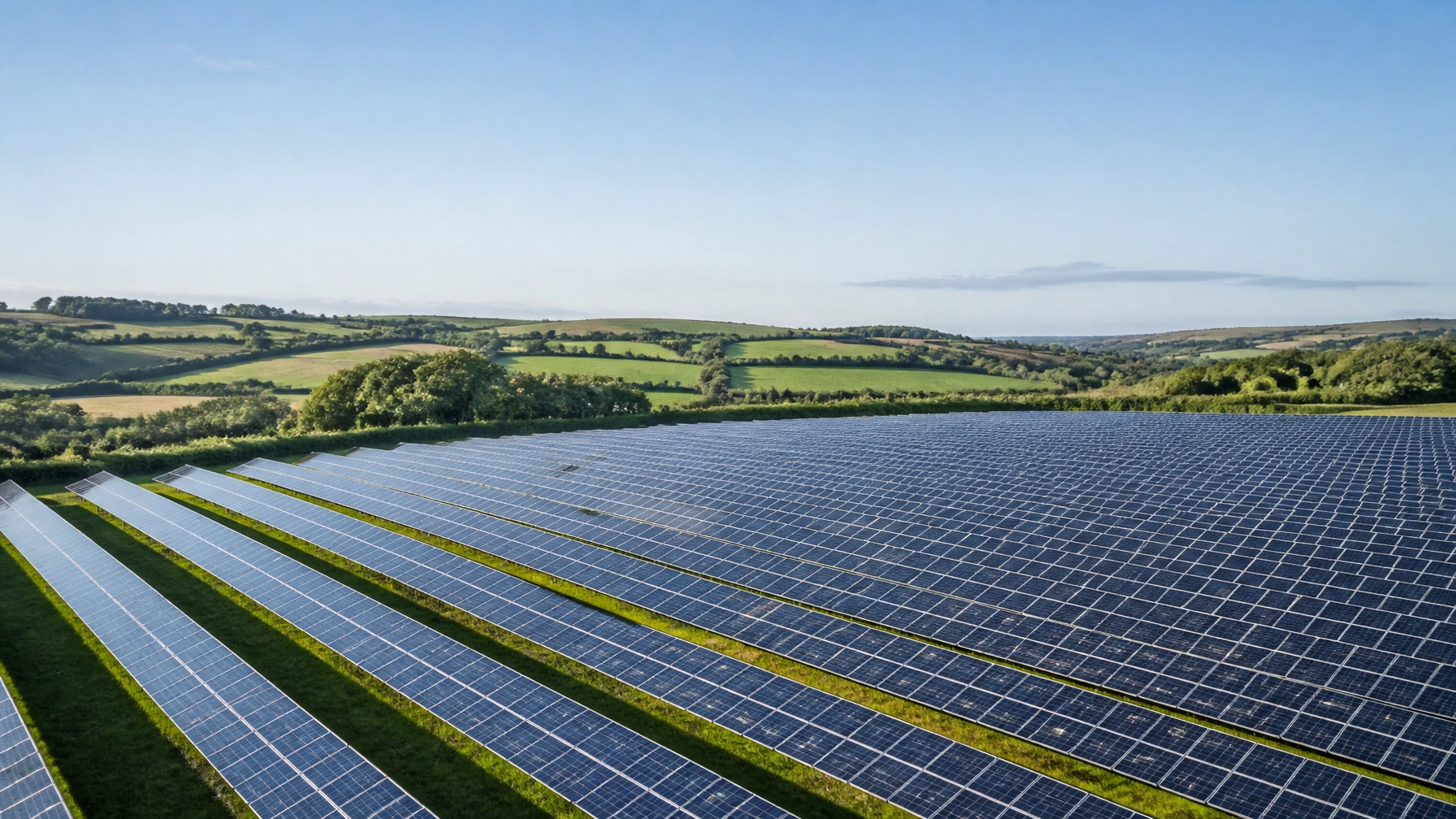
The landscape of the British south coast is undergoing a significant transformation as work begins on one of the region's most ambitious renewable energy projects to date. This major expansion of solar infrastructure is set to provide a robust injection of clean power into the national grid, marking a pivotal moment in the UK’s transition towards a more sustainable energy future. Spanning hundreds of acres of previously underutilised land, the new developments are designed to capture the high levels of solar irradiance characteristic of the coastal corridor, turning natural light into a reliable source of electricity for tens of thousands of households.
For residents across Hampshire, Sussex, and Dorset, the sight of sleek, dark panels glistening in the summer sun is becoming an increasingly common feature of the rural horizon. This latest phase of development is not merely a local initiative but a core component of a broader national strategy to reduce reliance on imported fossil fuels. By harnessing the unique geographic advantages of the south coast, where daylight hours are among the longest in the country, the project promises to deliver a consistent and substantial flow of green energy. The scale of the expansion is unprecedented for the area, with engineers and environmental planners working in tandem to ensure that the infrastructure integrates as harmoniously as possible with the existing terrain.
The project comes at a time when the conversation surrounding energy security has reached a fever pitch. With global energy markets remaining volatile, the ability to generate significant quantities of power domestically is seen as a vital safeguard for the British economy. This solar expansion is expected to offset thousands of tonnes of carbon emissions annually, providing a clean alternative to traditional gas-fired power stations. Beyond the environmental benefits, the initiative is also a significant driver of regional economic activity, creating hundreds of jobs during the construction phase and requiring a specialised workforce for long-term maintenance and monitoring.
A New Dawn for Clean Energy
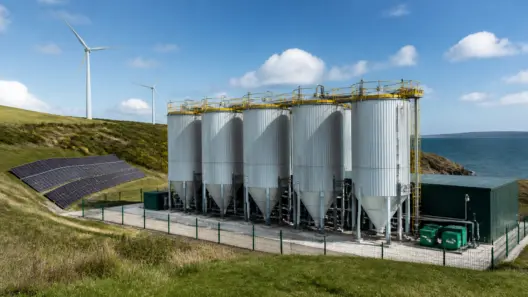
The technical specifications of the new solar arrays represent a leap forward in renewable technology. Unlike older installations, these new systems utilise high-efficiency bifacial modules, which are capable of capturing sunlight on both sides of the panel. This innovation is particularly effective in coastal areas where light reflects off the surrounding landscape and nearby water bodies, significantly increasing the total energy yield. The integration of advanced battery storage solutions also addresses one of the primary criticisms of solar power: its intermittent nature. By storing excess energy generated during peak daylight hours, the facilities can continue to supply the grid even after the sun has set, ensuring a steady and reliable output.
This technological advancement is coupled with a meticulous approach to land management. The expansion has been carefully zoned to avoid high-grade agricultural land, focusing instead on sites that offer the best balance between energy potential and environmental preservation. In many areas, the solar farms are being designed to serve a dual purpose, with the land beneath the panels used for conservation grazing or as wildflower meadows to support local biodiversity. This holistic approach reflects a growing understanding that the quest for clean energy does not have to come at the expense of the natural world. Instead, these sites are becoming sanctuaries for local wildlife, providing protected habitats away from intensive farming and urban development.
As the first phase of the expansion comes online, the immediate impact on the local energy mix is already being felt. Initial data suggests that the output from these new arrays is exceeding expectations, thanks in part to a particularly bright spring. The success of this project is being closely watched by industry experts and policymakers alike, as it provides a scalable model for similar developments across other parts of the UK. The ability to deploy such large-scale infrastructure relatively quickly, compared to the long lead times required for nuclear or offshore wind projects, makes solar an increasingly attractive option for meeting urgent energy demands.
Strengthening the National Grid
A critical aspect of this coastal expansion is the modernisation of the local electrical infrastructure. To accommodate the massive influx of new power, substantial upgrades to substations and transmission lines have been necessary. This investment in the grid ensures that the energy generated on the south coast can be efficiently transported to high-demand areas, including major urban centres and industrial hubs. The upgrades are also designed to make the grid more resilient, incorporating smart technologies that can automatically adjust to fluctuations in supply and demand. This modernisation is a fundamental requirement for a future where a larger proportion of our energy comes from diverse, decentralised renewable sources.
The collaboration between private developers and national infrastructure providers has been essential in overcoming the logistical challenges of such a large-scale rollout. Connecting hundreds of megawatts of new capacity to a grid that was originally designed for a few large, centralised power stations is no small feat of engineering. It requires a sophisticated understanding of load balancing and frequency response to maintain stability. The success of the south coast expansion demonstrates that with the right investment and technical expertise, the existing grid can be successfully adapted to support a modern, green energy economy. This paves the way for further expansions, potentially including more community-led projects that allow local people to benefit directly from the energy generated in their area.
Furthermore, the project serves as a catalyst for innovation in the UK’s renewable energy sector. The need for efficient grid integration has spurred the development of new software and monitoring tools that can predict solar output with remarkable accuracy using satellite data and weather modelling. These tools allow grid operators to manage resources more effectively, reducing the need for backup power from more carbon-intensive sources. The lessons learned during the construction and integration of these south coast sites are already being exported, positioning the UK as a leader in the global transition to smart, solar-powered grids.
The Path to Sustainable Growth
Looking ahead, the expansion of solar power along the south coast is seen as just the beginning of a larger movement towards regional energy self-sufficiency. As the cost of solar technology continues to fall, more landowners and local authorities are exploring the potential for smaller, localised arrays that can power specific clusters of homes or businesses. This move towards decentralisation not only reduces the strain on the national grid but also fosters a greater sense of community involvement in the energy transition. By bringing energy production closer to the point of consumption, the system becomes more efficient and less prone to the losses associated with long-distance transmission.
The social and community benefits of this solar boom are also becoming increasingly apparent. Many of the developers involved in the south coast projects have committed to community benefit funds, which provide financial support for local initiatives ranging from school upgrades to environmental conservation projects. This ensures that the benefits of the transition to clean energy are shared by the people living nearest to the infrastructure. Public support for solar power remains high, with many viewing it as a clean, quiet, and unobtrusive way to meet the nation's energy needs. The visual impact of the farms is often mitigated through the use of natural screening, such as hedgerows and tree belts, which also contribute to local ecological networks.
The successful rollout of this major expansion sends a clear signal to the international community that the UK is serious about its commitment to a low-carbon future. It demonstrates that large-scale renewable projects can be delivered in a way that is environmentally responsible, economically viable, and socially acceptable. As more of these coastal arrays begin to feed power into the grid, the cumulative impact will be a significant reduction in the nation's carbon footprint and a more secure, independent energy system. The sun-drenched fields of the south coast are no longer just a place for leisure and tourism; they are now the front line of a quiet revolution that is powering the country into a cleaner, brighter era.