For many people across the United Kingdom, the rolling hills and ancient woodlands of the countryside represent a sanctuary: a place to escape the noise of urban life and find peace.
Yet, for a significant portion of the population, these verdant landscapes have long felt like restricted territory. Historical data and social surveys have consistently highlighted a stark "nature gap," where individuals from Black, Asian, and other minoritised ethnic backgrounds are significantly less likely to visit or feel comfortable in Britain’s rural spaces. In Bristol, a city known for its vibrant activism and green aspirations, one organisation is working tirelessly to dismantle these invisible fences. Soul Trail Wellbeing, a black-led community interest company, has become a beacon for those who have previously felt excluded from the great outdoors, proving that the simple act of walking can be a radical tool for social change and mental healing.
The organisation was born out of a recognition that the benefits of nature are not distributed equally. While the physical and mental health advantages of spending time in green spaces are well-documented, the barriers to access are often complex and deeply rooted in both history and modern social dynamics. For many in Bristol’s diverse communities, a trip to the Cotswolds or the Mendips isn't just a matter of a short drive; it involves navigating a landscape where they might not see anyone who looks like them, leading to a sense of hyper-visibility or, conversely, total isolation. Soul Trail Wellbeing addresses this by creating a safe, inclusive, and welcoming environment where the focus is on connection: connection to the land, to oneself, and to a community of peers. By leading "walk and talks," the group provides more than just exercise; they offer a space for shared experiences and the reclamation of a heritage that belongs to everyone.
Reclaiming the Green Spaces of Britain
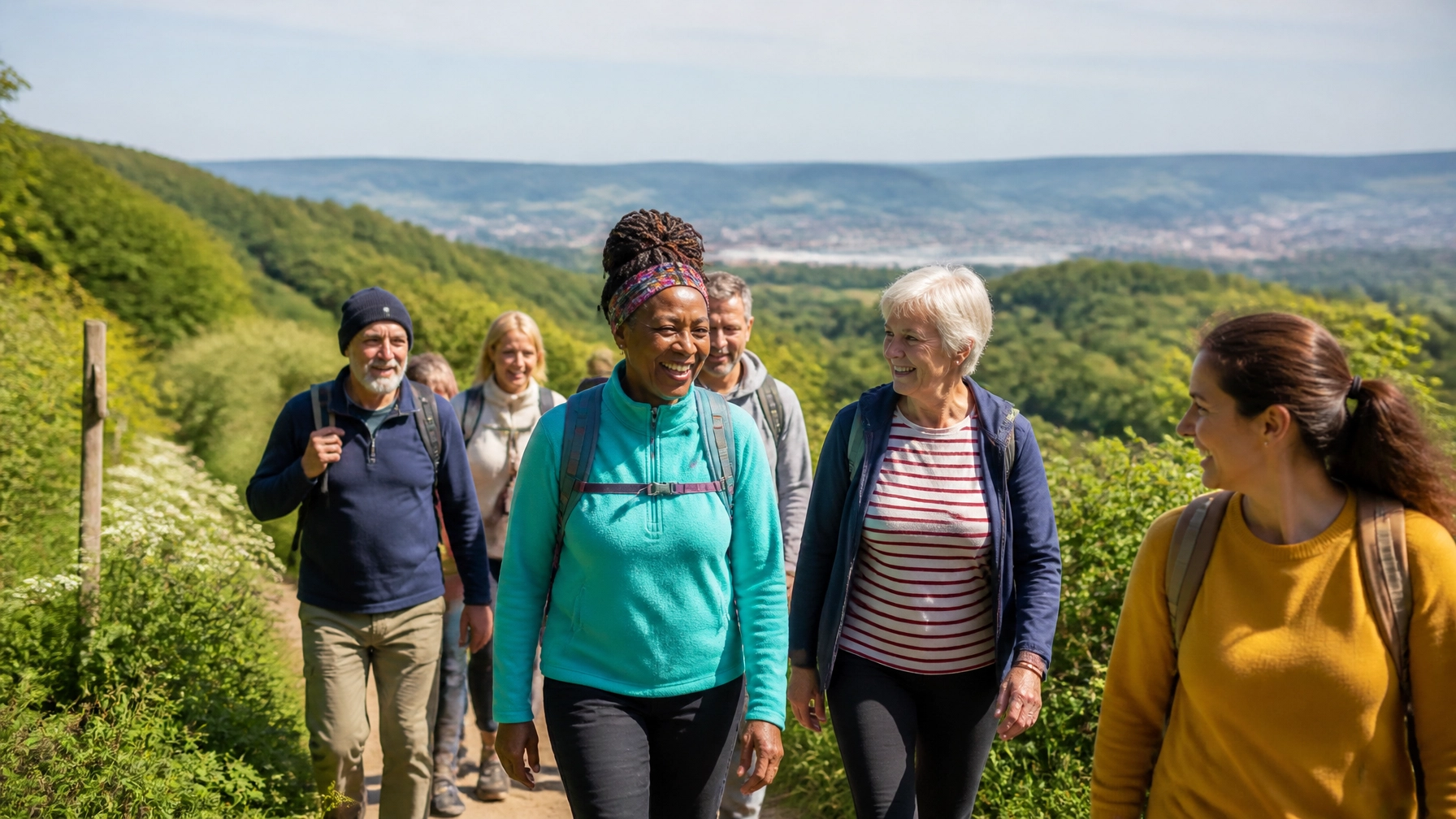
The history of the British countryside is often presented through a very specific lens, one that frequently excludes the contributions and presence of non-white individuals. This historical narrative has contributed to a modern-day feeling that the rural landscape is a "white space." When Soul Trail Wellbeing leads a group of hikers through the Somerset lanes or along the Avon Gorge, they are effectively rewriting that narrative in real-time. The importance of representation cannot be overstated. When people see a group that mirrors their own background comfortably navigating the trails, it breaks down the psychological barrier that suggests they do not belong there. This reclamation is not just about physical presence; it is about emotional ownership. It is about the right to feel the wind on your face and the crunch of leaves underfoot without the weight of feeling like an outsider.
The walks organised by the group are meticulously planned to be accessible, ensuring that those who might be new to hiking do not feel intimidated by high-performance gear or extreme terrain. The focus is on wellbeing in its most holistic sense. Participants often speak of the "nature deficit" they feel in their daily lives, especially those living in inner-city areas where green space is limited to small, often neglected parks. By facilitating regular excursions into the wider countryside, the group helps to bridge this gap. The physical benefits of these walks: improved cardiovascular health and reduced blood pressure: are significant, but it is the mental clarity and the sense of peace derived from the natural world that participants often value most. In a world that is increasingly digital and fast-paced, these walks provide a vital "unplugged" experience that allows for genuine reflection.
The social aspect of these walks is equally transformative. For many members, the walking group has become a secondary family. In a society where loneliness is an escalating crisis, particularly within urban environments, the opportunity to talk openly while walking side-by-side with others is a powerful antidote. There is something uniquely therapeutic about the "side-by-side" conversation that happens on a trail; without the pressure of direct eye contact and the distractions of the city, people find it easier to open up about their struggles, their triumphs, and their daily lives. Soul Trail Wellbeing leverages this natural dynamic to foster a supportive environment where mental health is prioritised and the stigma surrounding it is actively challenged.
Breaking Down the Hidden Barriers
To understand why groups like Soul Trail Wellbeing are so necessary, one must look at the specific barriers that have historically kept ethnic minority groups away from the British countryside. These barriers are often a mix of the practical and the systemic. Practically, there is the issue of transport. Many of the UK’s most beautiful natural spots are inaccessible by public transport, creating a significant hurdle for those without cars. Systemically, there is the lack of representation in outdoor media and the "adventure" industry. If every advert for hiking boots or waterproof jackets features the same demographic, it sends a clear, if silent, message about who the outdoors is for.
Furthermore, there is the very real concern of safety and the fear of prejudice. In rural areas where diversity is low, people of colour often report being stared at or made to feel unwelcome. This creates a "threat-scanning" mentality that is the direct opposite of the relaxation nature is supposed to provide. Soul Trail Wellbeing acts as a shield against these anxieties. By walking as a group, participants feel a sense of safety in numbers and a shared confidence. They can focus on the beauty of the landscape rather than worrying about their surroundings. This collective strength allows individuals to build the confidence to eventually explore these spaces on their own or with their families, creating a ripple effect of engagement with nature that extends far beyond the group’s scheduled walks.
Education also plays a major role in the group’s mission. Many of the activities include workshops on foraging, mindfulness, and local ecology. By teaching participants about the flora and fauna of the British Isles, the organisation deepens their connection to the land. Knowledge is power, and understanding the environment transforms a foreign landscape into a familiar one. This educational component also extends to traditional skills and crafts, such as nature-based workshops that encourage creativity. These activities help to demystify the countryside, showing that it is a place of utility and inspiration, not just a distant, untouchable postcard.
Building a Legacy of Inclusive Wellbeing
The impact of Soul Trail Wellbeing is not just measured in miles walked or calories burned; it is measured in the changing lives of its members. Many participants have reported significant improvements in their management of anxiety and depression since joining the group. The combination of physical activity, social support, and the calming influence of nature creates a "triple threat" against mental ill-health. For those who have faced systemic challenges and the daily stresses of racial inequity, these walks offer a rare opportunity to lower their guard and breathe deeply. The organisation’s work is a testament to the fact that wellbeing services must be culturally competent and sensitive to the specific needs of the communities they serve.
Looking forward, the success of such initiatives provides a roadmap for how national parks and environmental organisations can become more inclusive. It is not enough to simply say that the countryside is "open to everyone"; there must be an active effort to invite and welcome those who have been historically marginalised. Collaborations between community-led groups and larger environmental bodies are essential for long-term change. By sharing resources and knowledge, the outdoor sector can begin to look more like the diverse country it serves. Soul Trail Wellbeing is leading the way in this regard, demonstrating that grassroots leadership is often the most effective way to reach those who are most in need of support.
Ultimately, the story of this Bristol walking group is one of hope and resilience. It is a reminder that the great outdoors is a collective inheritance, a resource that should be available to every citizen regardless of their background. As the group continues to grow and more people join their ranks, they are doing more than just walking through the woods; they are forging a new path toward a more equitable and healthier society. The barriers are falling, one step at a time, and the landscape of Britain is becoming richer and more diverse as a result. For every person who finds solace on a Soul Trail walk, the "nature gap" closes just a little bit more, paving the way for a future where everyone can feel truly at home in the wild.