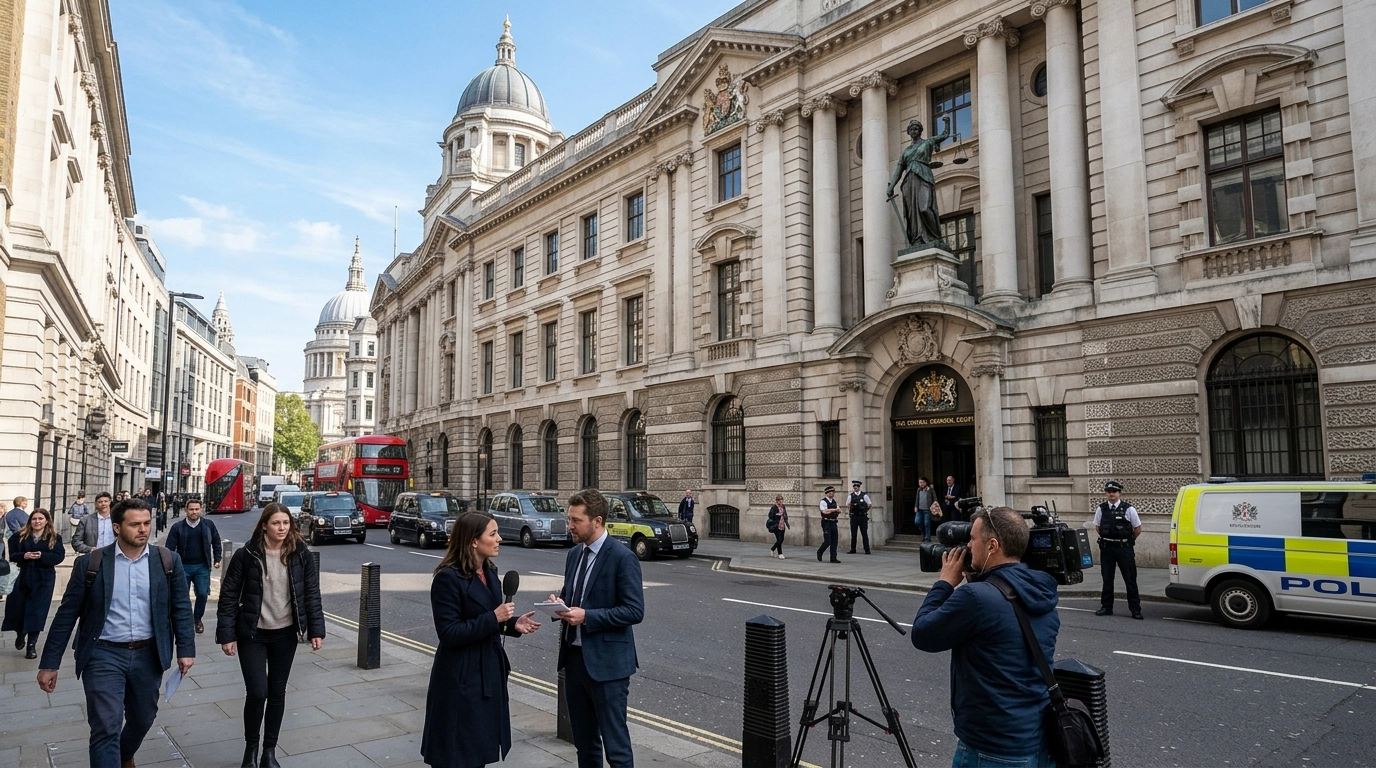
The streets of London are often described as a melting pot of cultures and ideas, a place where people from across the globe come to seek refuge and voice their opinions. However, a recent case at the Old Bailey has cast a long, dark shadow over that reputation. The British government has taken the significant step of issuing a stern warning to Beijing following the conviction of two men for their involvement in what has been described as shadow policing operations on UK soil. It is a story that sounds like something ripped straight from a Cold War thriller, but the reality is far more grounded and, frankly, quite unsettling for those who value the safety of our democratic space.
Bill Yuen and Peter Wai were found guilty this week of assisting a foreign intelligence service. Their activities, which spanned from late 2023 into the early months of 2024, focused on the surveillance and intimidation of pro-democracy activists who have made the UK their home. For many, the conviction is a validation of fears that have been simmering for years regarding the reach of foreign states within our borders. It marks a pivotal moment in how the UK handles international espionage and the protection of its residents from foreign interference.
The Methods of Shadow Policing
The details emerging from the trial at the Old Bailey provide a chilling look into how these operations were conducted. Bill Yuen and Peter Wai, both dual Chinese and British nationals, were not just casual observers. Peter Wai, in particular, had a background that made his involvement even more concerning; he was a former Border Force officer and a retired superintendent from the Hong Kong Police. This level of professional expertise was allegedly channelled into monitoring individuals who are seen as dissidents by the Chinese state. The prosecution successfully argued that the pair were engaged in a coordinated effort to track the movements and activities of prominent activists.
One of the primary targets was Nathan Law, a well-known figure in the Hong Kong democracy movement who was granted asylum in the UK. The surveillance didn’t stop with activists, however. The net was cast much wider, including government officials and Members of Parliament who have been vocal in their support for democratic reforms in Hong Kong. Sir Iain Duncan Smith, the chairman of the Inter-Parliamentary Alliance on China, was among those identified as being under the watchful eye of this unauthorised intelligence operation. This reveals a brazen attempt not just to silence activists, but to intimidate the very people tasked with creating British policy and upholding national security.
The term shadow policing refers to the practice of foreign agents acting as an unofficial extension of their home country’s law enforcement. By conducting surveillance and gathering intelligence on UK soil without any legal authority, these individuals were effectively trying to enforce the laws of another nation within our own territory. This is a direct challenge to the rule of law in the UK. The convictions were secured under the National Security Act, a piece of legislation designed specifically to tackle this kind of modern, grey-zone warfare where the lines between traditional crime and international espionage often blur.
A Robust Diplomatic Response
In the wake of the guilty verdicts, the diplomatic gears in Whitehall have been turning at high speed. Foreign Secretary David Lammy took the decisive action of summoning the Chinese Ambassador, Zheng Zeguang, to the Foreign Office. This is not a move made lightly in the world of international relations; it is a formal and very public expression of displeasure. The message delivered was clear and unwavering: the UK will not tolerate any attempts by foreign states to harass, harm, or intimidate individuals or communities living within its borders.
The government has framed this as a serious breach of British sovereignty. When a foreign state employs agents to conduct policing activities on British soil, it isn’t just a matter of law-breaking by individuals; it is a direct affront to the authority of the British state. David Lammy’s statement emphasised that the safety of people in the UK is non-negotiable. While the UK and China share a complex relationship involving significant trade and global cooperation on issues like climate change, this incident has shown that security concerns will always take precedence when the rights of residents are at stake.
The summoning of an ambassador serves a dual purpose. Firstly, it provides a direct channel to voice grievances at the highest level, ensuring there is no misunderstanding about the gravity of the situation. Secondly, it sends a message to the British public and the international community that the government is prepared to stand up to global superpowers when they overstep. For the activists who have been living in fear of being watched, this robust response offers a degree of reassurance that the state is aware of the threats they face and is willing to use its diplomatic and legal weight to protect them.
Protecting Democracy on British Soil
As we look towards the future of UK-China relations, this case serves as a stark reminder of the challenges inherent in modern diplomacy. The conviction of Yuen and Wai is a victory for the security services, but it also highlights the ongoing nature of the threat. The National Security Act has proven to be a vital tool in this instance, giving prosecutors the teeth needed to go after those working for foreign intelligence services. However, legislation is only part of the puzzle. There is a growing call for even greater vigilance and a more comprehensive strategy to identify and neutralise foreign interference before it reaches the stage of intimidation and harassment.
The impact of these shadow policing operations goes beyond the individuals targeted. It creates a climate of fear that can stifle free speech and prevent people from participating in the democratic process. If activists feel they are being watched by agents of the state they fled, they may be less likely to speak out or organise. This is exactly what those conducting the surveillance hope to achieve. By securing these convictions, the UK is sending a counter-signal: that the rights of free expression and assembly are protected here, regardless of where you come from or who might want to silence you.
In the coming months, we can expect to see a continued focus on national security as the government reviews its approach to foreign interference. There is a delicate balance to be struck between maintaining open, productive relationships with global powers and ensuring the safety of the realm. But as this week’s events at the Old Bailey and the Foreign Office have shown, there are some lines that simply cannot be crossed. The UK has made its position known, and the world is watching to see how Beijing responds to this stern warning. For NowPWR readers, this isn’t just a story about spies; it’s a story about the fundamental rights that define our society and the lengths we must go to defend them.