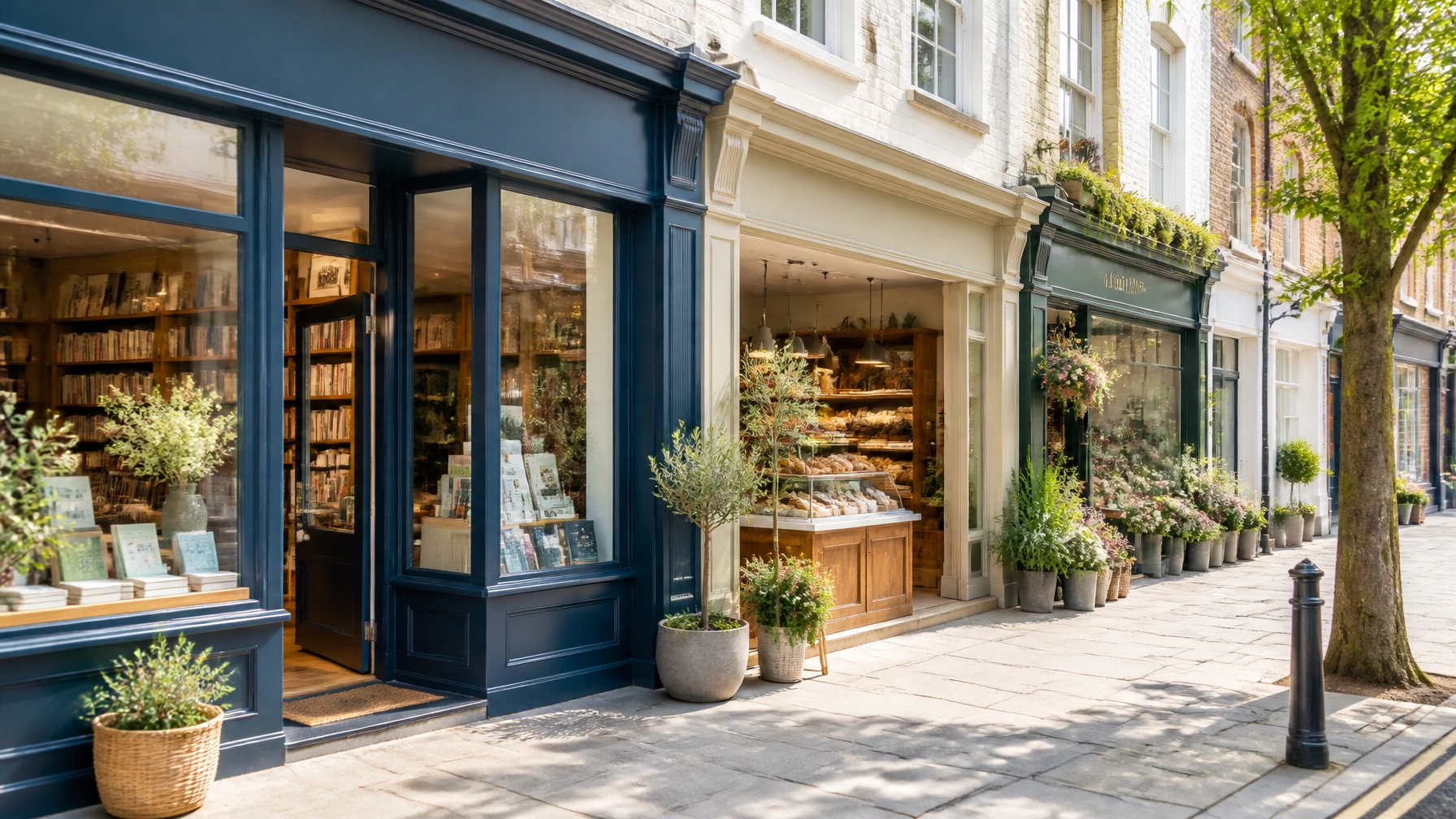
The British high street, long dismissed by some as a relic of a pre-digital era, is currently witnessing a remarkable and unexpected transformation. After years of headlines dominated by the collapse of major national chains and the rise of online retail giants, a new narrative is beginning to emerge. Recent data suggests that the decline of the physical shop has not only slowed but, in many regions, has begun to reverse. Across the United Kingdom, approximately thirteen new retail stores are now opening every single week. This shift is not being led by the sprawling department stores or the supermarket conglomerates of old, but by a resilient and adaptable wave of independent businesses that are reclaiming the heart of our towns and cities.
This resurgence comes at a time when the broader economic climate remains complex. While inflation has begun to stabilise, the pressure on household budgets persists. Yet, consumers appear to be making a conscious choice to return to their local shopping districts. There is a growing appetite for the personal service, unique product ranges, and community connection that only a physical, locally-owned shop can provide. This movement is more than just a trend; it is a fundamental shift in how people view their local economy. The high street is being reimagined as a destination for experience rather than just a place for transactions. From artisan bakeries and craft breweries to independent bookshops and sustainable fashion boutiques, the new face of British retail is diverse, local, and fiercely optimistic.
The statistics reflect a "tentative signs of recovery" that many industry analysts are now beginning to acknowledge. While the thousands of closures seen over the last decade cannot be ignored, the pace of new openings is finally starting to offset the losses. This stabilisation is particularly evident in smaller market towns and suburban shopping parades, where the "work from home" revolution has kept footfall higher during the week than in traditional city centres. People are spending more time in their own neighbourhoods, and they are looking for reasons to step away from their screens and interact with their surroundings.
The Resilience of the Independent Spirit
The primary engine of this recovery is the independent retailer. Unlike large corporations that are often hampered by rigid supply chains and high central overheads, small business owners have proven themselves to be remarkably agile. When the retail landscape shifted, many independents pivoted quickly, integrating social media marketing and local delivery services with their physical storefronts. This "bricks and clicks" model has allowed them to reach a wider audience while maintaining the intimate customer relationship that defines the high street experience. These businesses are often deeply embedded in their communities, sponsoring local events and collaborating with other nearby shops to create a vibrant local ecosystem.
Furthermore, the types of businesses opening on the high street have changed. There is a clear move towards "service-led" retail. Hairdressers, beauty salons, repair shops, and wellness centres are taking up units that might once have sold clothing or electronics. These are services that cannot be replicated online, ensuring that the high street remains a necessary part of daily life. The success of these enterprises suggests that the future of the high street lies in its ability to offer what the internet cannot: tactile experience, immediate gratification, and human interaction. In many areas, independent shops are filling smaller units that are unsuitable for national chains, effectively eliminating the "boarded-up window" look that once plagued many British towns.
However, the path to recovery is not without its obstacles. Independent retailers are often the most vulnerable to external shocks. The "independent spirit" is strong, but it requires a supportive environment to thrive. Business owners are currently balancing the need to innovate with the rising costs of stock, logistics, and employment. Despite these pressures, the level of entrepreneurial activity remains high. The desire to "be your own boss" and to create something tangible in one's local community continues to drive a steady stream of new ventures onto the high street. This grassroots investment is the most significant indicator that there is a long-term future for physical retail in the UK.
Navigating the Economic Headwinds
While the increase in store openings is a cause for celebration, the economic landscape remains challenging for many retailers. One of the most significant developments in 2026 has been the annual business rates review. The latest data indicates a 9.3% increase in rateable values for the retail sector. While this rise is, in many ways, a reflection of the improving property values and trading conditions on the high street, it also presents a significant additional cost for business owners. For many small independents, business rates represent one of their largest fixed outgoings, and a sharp increase can put a strain on even the most successful shop.
This increase in rates comes alongside other financial pressures. Although energy prices have come down from their historic peaks, they remains significantly higher than they were five years ago. Furthermore, wage growth, while positive for the broader economy and consumer spending power, has increased the payroll costs for retailers. The challenge for the modern high street shop is to find the "sweet spot" between offering competitive prices to customers and maintaining a viable profit margin in the face of rising operational costs. The most successful businesses are those that have focused on efficiency, reduced waste, and found ways to add value that justifies their prices.
Government policy and local authority planning also play a crucial role in this recovery. Many successful high streets have benefited from targeted regeneration projects, improved public transport links, and policies that encourage mixed-use developments. By bringing more residential units into town centres, local authorities are ensuring a consistent level of footfall for the shops below. The dialogue between business owners and policy makers is more important than ever. For the "High Street Hope" to be sustained, there needs to be a continued focus on business rate reform and infrastructure investment that makes visiting the high street a convenient and enjoyable experience for all.
A New Model for the Modern High Street
The high street of 2026 looks very different from the high street of 2016. The transition has been painful, but it has resulted in a model that is arguably more robust and better suited to the needs of the modern consumer. The new model is built on the concept of the "social hub." Town centres are no longer just places to buy goods; they are places to meet, to work, and to be entertained. The lines between retail, leisure, and community service are blurring. A coffee shop might also be a co-working space; a bookshop might host evening lectures; a clothing store might have a small bar in the corner.
This evolution is being driven by a change in consumer behaviour. Younger generations, in particular, value "authenticity" and "sustainability." They are more likely to support a business that has a clear ethical stance or that sources its products locally. This plays directly into the strengths of the independent sector. By telling their own stories and showcasing their expertise, local shop owners are building brand loyalty that national chains struggle to match. The resurgence of the high street is, in many ways, a rejection of the "identikit" shopping centre in favour of something more unique and characterful.
Looking ahead, the success of the high street will depend on its continued ability to adapt. The digital and physical worlds are no longer in competition; they are complementary. The most successful retailers will be those who can seamlessly navigate both. As we move further into the decade, the hope is that the current wave of independent store openings is just the beginning. With the right support and a continued commitment from local communities, the British high street can remain a vibrant, essential part of our national identity for generations to come. The recovery is tentative, and the challenges are real, but the spirit of the local shop is proving to be more resilient than anyone ever imagined.