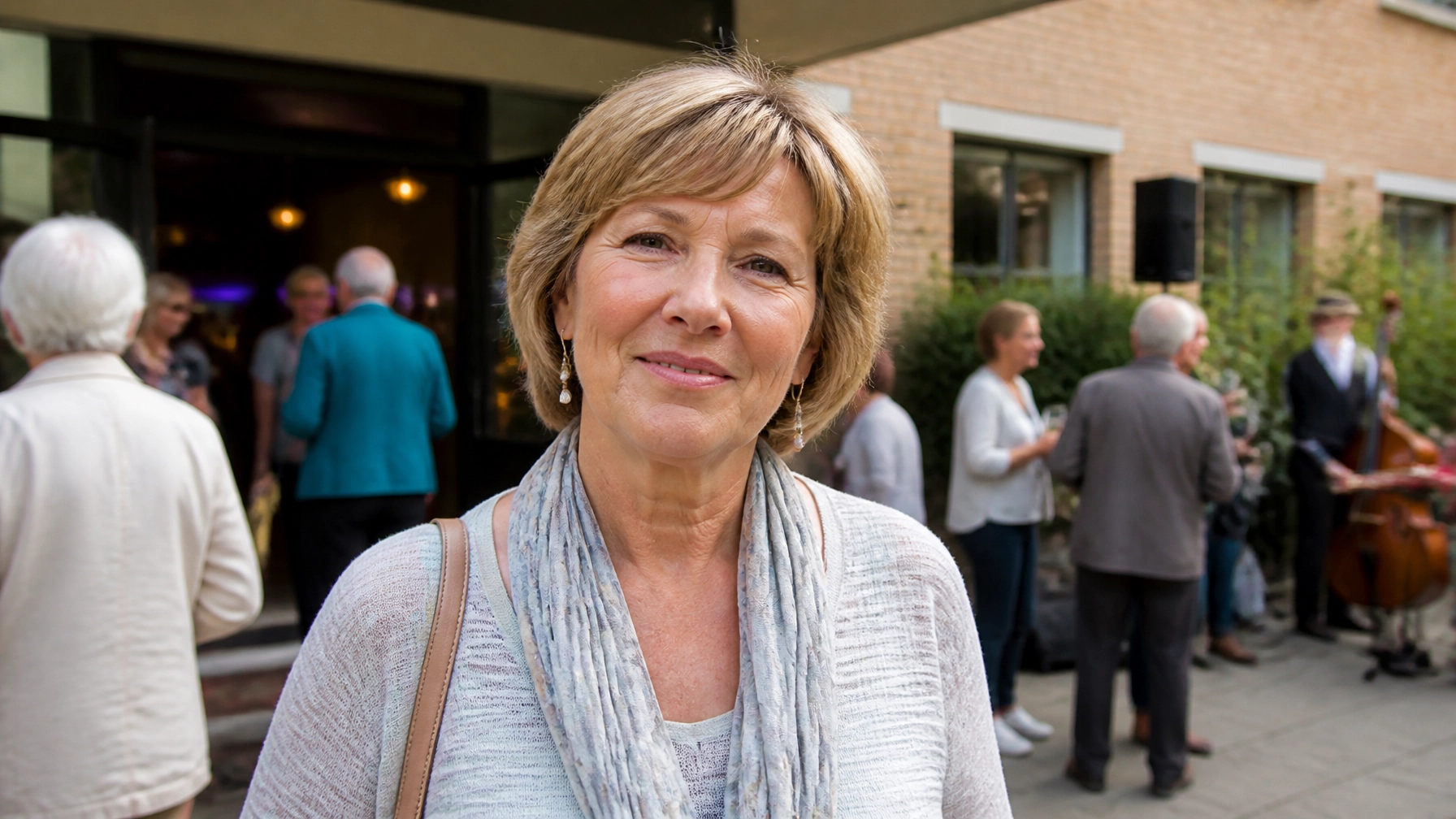
Natasha Graham, a 51-year-old resident of Northamptonshire, is preparing to commemorate a landmark achievement that many believed would never be possible.
On 27 June 2026, Graham will mark the 25th anniversary of the heart and lung transplant that saved her life, a milestone she is celebrating with a grand charity concert intended to give back to the medical institutions that supported her journey. The event, held at The Salvation Army Hall in Wellingborough, serves as a poignant reminder of the enduring impact of organ donation and the resilience of the human spirit.
Born with a complex and major heart defect, Graham’s life began under a shadow of medical uncertainty. Her parents were dealt a devastating blow shortly after her birth when doctors warned them that their daughter might not survive to see her first birthday. In an era where paediatric cardiac surgery and transplant technology were still in relative infancy compared to modern standards, the prognosis was bleak. However, through a combination of dedicated parental care and advancements in medical science, Graham defied those initial odds, navigating a childhood and early adulthood shaped by the limitations of her condition.
By the turn of the millennium, Graham’s health had reached a critical juncture. The secondary lung damage caused by her heart defect meant that a double transplant was the only viable option for survival. In 2001, she was admitted to Harefield Hospital, a world-renowned centre for cardiac and thoracic surgery. The call that a donor had been found changed everything. The subsequent operation was a success, marking the beginning of a second chapter that has now spanned a quarter of a century. Reflecting on the time that has passed since that life-altering surgery, Graham describes every single day as a gift, a sentiment that underpins her ongoing commitment to charitable work and advocacy.
A Quarter Century of Resilience and Hope
The journey from a critical prognosis in 2001 to a silver anniversary in 2026 has been defined by more than just survival. For Graham, the transplant was a gateway to a life of activity and community engagement that was previously unimaginable. One of the most significant aspects of her post-transplant life has been her involvement with the British Transplant Games. Representing Harefield Hospital, Graham competed in various events, showcasing the physical capabilities that modern transplant medicine can restore. These games are more than just athletic competitions; they are a celebration of life and a visual testament to the success of organ donation programmes across the United Kingdom.
Participating in the games allowed Graham to connect with a community of individuals who shared similar experiences. It provided a platform to demonstrate that a transplant is not merely a clinical procedure but a total transformation of quality of life. Her efforts on the field were mirrored by her family’s tireless work off it. Over the years, the Graham family has raised in excess of £100,000 for the hospitals involved in her care. This significant financial contribution has supported the very units that provide specialist care to patients facing the same daunting prospects that Natasha once did.
The fundraising has been a collective effort, involving community events, personal challenges, and the steadfast support of friends and neighbours in Northamptonshire. By funneling these resources back into the NHS and specialist transplant units, the family has ensured that the legacy of Natasha’s donor continues to benefit others. This cycle of gratitude and giving is a hallmark of the transplant community, where the debt felt toward anonymous donors and medical staff is often repaid through lifelong service to the cause.
Community Celebration Through Music and Song
The upcoming anniversary concert at The Salvation Army Hall in Wellingborough is set to be the pinnacle of Graham’s celebratory year. Scheduled for the evening of 27 June, the event is designed to be a night of music, community, and profound thanksgiving. The choice of venue and performers reflects Graham’s personal history and the cultural ties that have supported her. Headlining the evening is the Ynysowen Male Choir, a group with deep roots in Aberfan and the surrounding district. Their participation brings a sense of traditional choral excellence to the proceedings, promising a powerful and moving performance.
Joining the choir is the acclaimed soprano Emma Davis. A singer-songwriter and former soloist with the Salvation Army International Staff Songsters, Davis is known for her emotive vocal range and ability to connect with an audience. The concert will be compered by Martin Heath, a familiar voice to many in the region. The collaboration of these artists highlights the community-centric nature of the celebration. It is not just an individual milestone but a shared moment for all those who have played a role in Graham’s journey, from the medical professionals at Harefield to the local supporters in Wellingborough.
Proceeds from the concert are specifically earmarked for Harefield Hospital’s transplant unit. This ensures that the funds will go directly toward the front-line care and research that makes long-term survival stories like Graham’s possible. In a period where the NHS faces significant pressures, such community-led initiatives are vital for providing the "extras" that can enhance patient experience and fund cutting-edge equipment. For the attendees, the evening offers an opportunity to enjoy high-quality musical performances while contributing to a cause that has a tangible, life-saving impact.
The Enduring Legacy of Organ Donation
As Natasha Graham stands on the threshold of her 26th year post-transplant, her story serves as a vital case study in the long-term efficacy of heart and lung transplants. While medical literature often focuses on the immediate years following such an intensive procedure, Graham’s twenty-five-year milestone provides a broader perspective on what is achievable. It highlights the importance of the lifelong care provided by specialist units and the necessity of a robust organ donation register. Without the selfless decision of a donor family in 2001, the vibrant life Graham leads today would not exist.
The 25-year mark is also a moment to reflect on the evolution of transplant medicine. Since Graham’s operation, there have been significant strides in immunosuppressant therapies and surgical techniques, yet the fundamental requirement remains the same: a match and a successful surgery. By sharing her story and organising public events, Graham helps to keep the conversation around organ donation in the public eye. It encourages people to discuss their wishes with their families, ensuring that more individuals can benefit from the same "gift" that she received.
The concert in Wellingborough is more than a fund-raiser; it is a manifestation of a promise kept to live life to the fullest. For those who have followed Graham’s journey, the event on 27 June will be an emotional and uplifting experience. It stands as a testament to the fact that while a medical diagnosis may be the start of a story, it does not have to be the end. Through the skill of the surgeons at Harefield Hospital and the enduring support of her community, Natasha Graham has turned a terminal prognosis into a quarter-century of meaningful, active, and generous living.