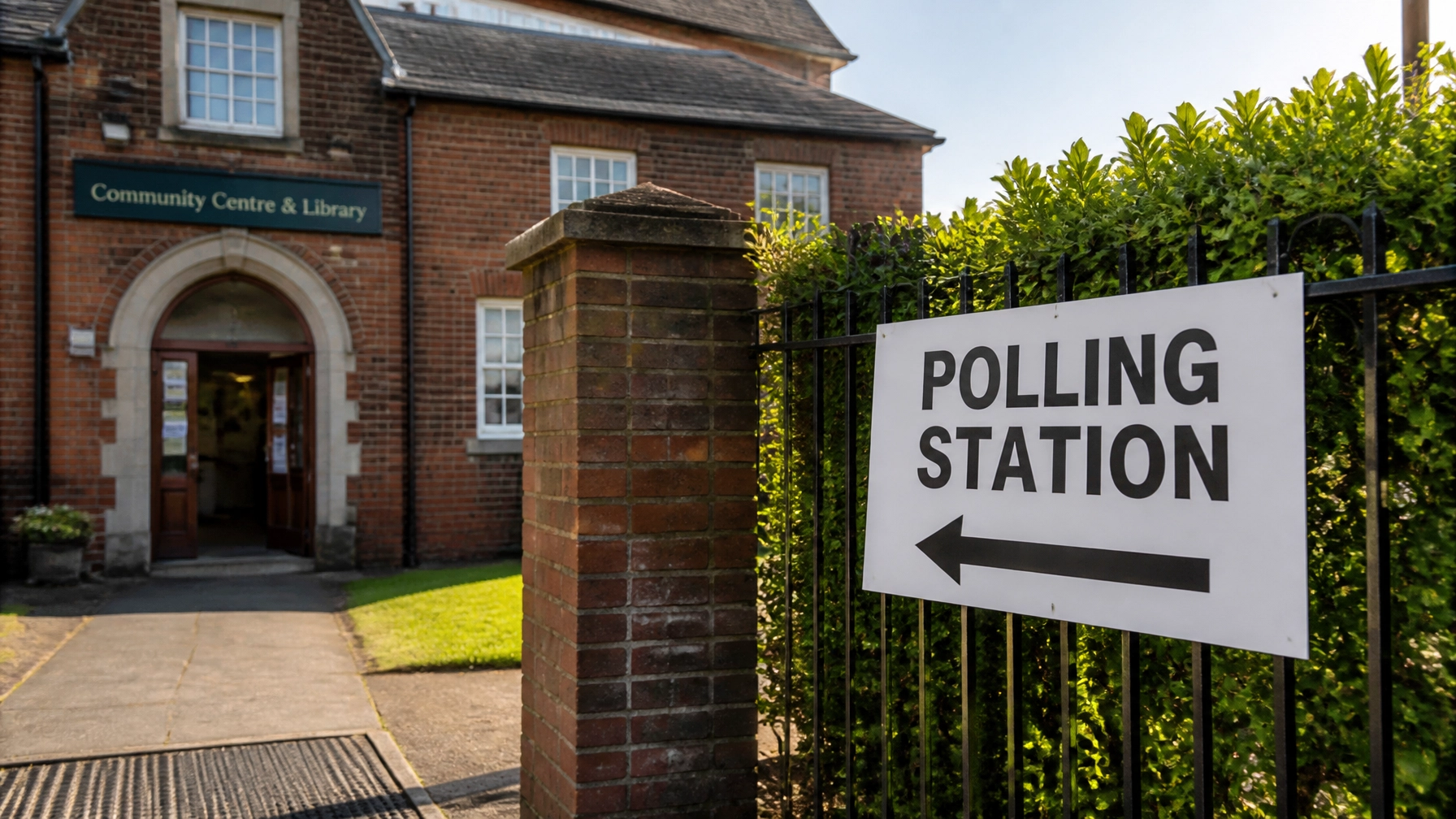
Residents across the Makerfield constituency are heading to the ballot box today as polling stations officially open for a high-profile local by-election that has captured national attention.
Voters began arriving at community centres, church halls, and schools from 7:00 am to cast their ballots in a contest triggered by the unexpected resignation of the sitting Member of Parliament, Josh Simons. This election is being viewed by many political analysts as a critical barometer of the current political climate in the north-west of England, testing the strength of the major parties in a seat that has historically been a stronghold for the Labour Party.
The atmosphere at polling stations across the borough has been described as steady, with early morning commuters making their way to cast their votes before the workday began. Local officials have confirmed that all designated polling sites are operational and will remain open until 10:00 pm tonight. Given the significant media interest and the stature of the candidates involved, turnout is expected to be closely monitored throughout the day. While by-elections often see a lower participation rate than general elections, the unique circumstances of this contest: involving a prominent regional leader and a surging challenge from smaller parties: could potentially drive higher engagement among the local electorate.
The logistics of the day are being handled by the local council's electoral services, with hundreds of staff members deployed to manage the voting process and, eventually, the overnight count. Security has been maintained at a standard level, and the process is reported to be proceeding without any significant disruptions. For the people of Makerfield, this is the second time they have been called to the polls in a relatively short period, following the wider national contest, yet the importance of this specific local decision is being felt deeply across the various communities that make up the constituency.
High stakes in Greater Manchester
The catalyst for this by-election was the decision by Josh Simons to step down from his role in Westminster. Simons, who secured the seat for the Labour Party at the last general election with a majority of 5,399, announced his resignation to facilitate a return to parliamentary politics for the current Mayor of Greater Manchester, Andy Burnham. Burnham, a seasoned political figure who previously served as a cabinet minister and represented the nearby Leigh constituency for many years, was cleared by the Labour National Executive Committee to seek selection as the party's candidate. His attempt to return to the House of Commons while maintaining his regional influence has become the central narrative of the campaign.
This move has not been without its critics or its complications. For the Labour Party, the contest is a must-win situation, not only to retain the seat but to validate the strategy of bringing a heavyweight regional figure back into the national legislative fold. A victory for Burnham would be seen as a consolidation of Labour's grip on its traditional industrial heartlands. However, the pressure is immense; any significant swing away from the party would be interpreted as a sign of dissatisfaction with the party's national direction or local candidate selection processes.
The Greater Manchester region has seen significant shifts in its political landscape over the last decade. Makerfield, which encompasses former mining communities and several small towns, has traditionally leaned toward Labour, but the emergence of alternative voices has created a more fragmented and competitive environment. The by-election serves as a primary test of whether the "King of the North," as Burnham is often colloquially known, can successfully bridge the gap between regional administrative success and the requirements of representing a specific parliamentary constituency.
Key candidates and local issues
While the national media focus has largely been on the Labour candidate, the challenge from Reform UK is substantial. Robert Kenyon, a local plumber and resident of the constituency, is standing for Reform UK and has framed his campaign as a direct challenge to the political establishment. Reform UK's performance in recent local elections within the Makerfield area was notably strong, where they successfully took control of several council wards. Kenyon has campaigned on a platform of representing "the forgotten voices" of the north-west, focusing on issues such as local infrastructure, the cost of living, and the perceived disconnect between Westminster and the daily realities of industrial towns.
The field of candidates is remarkably diverse, featuring a total of 14 individuals vying for the seat. Among them are representatives from the Conservative Party and the Liberal Democrats, both of whom have sought to capitalise on local grievances regarding public service funding and transport links. Michael Winstanley, representing the Conservatives, has highlighted the need for continued investment in the region’s economy, while the Liberal Democrat candidate, Jake Austin, has focused on environmental issues and social care. The presence of smaller parties, including the Green Party and the Official Monster Raving Loony Party, adds to the complexity of the ballot, reflecting a broad spectrum of political thought within the local population.
Local issues have dominated the doorstep conversations throughout the short but intense campaign period. Residents have expressed concerns about the state of town centres, the availability of GP appointments, and the reliability of local bus services. In areas like Ashton-in-Makerfield and Hindley, the decline of traditional industries remains a poignant backdrop to modern economic worries. The candidates have been forced to move beyond national talking points to address these specific, hyper-local anxieties. For many voters, the choice today is not just about which party will sit in Westminster, but who is best equipped to advocate for the tangible improvement of their immediate surroundings.
National implications of the vote
Beyond the borders of Makerfield, the result of this by-election will be scrutinised for what it reveals about the national political trajectory. Political observers are particularly interested in the performance of Reform UK, which has positioned itself as the primary alternative to Labour in former industrial seats. If the swing toward Reform UK seen in local council elections is replicated at the parliamentary level, it could signal a significant shift in the UK's political map. Such a result would put pressure on the major parties to recalibrate their strategies for engaging with voters in the north of England who feel alienated from the traditional political process.
Furthermore, the personal success or failure of Andy Burnham carries heavy weight for the future of the Labour Party. Burnham has been open about his ambitions, suggesting that a return to Westminster would allow him to participate in future leadership discussions and offer a "new script" for the country. A resounding victory would strengthen his position as a formidable force within his party, potentially posing a challenge to the existing national leadership. Conversely, a narrow victory or an unexpected loss would be a significant blow to his political standing and could dampen the momentum of his proposed regional-national political model.
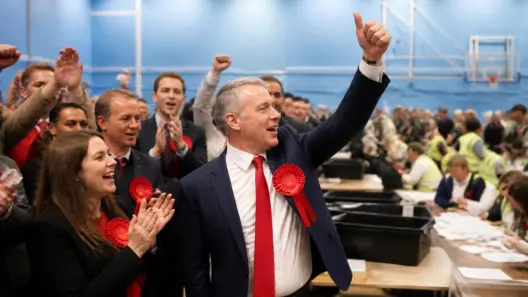
The counting of the votes is set to begin immediately after the polls close at 10:00 pm tonight. The ballots will be transported to a central counting location where staff will work through the night to verify and tally the results. A formal announcement is expected in the early hours of Friday morning. Until then, the focus remains on the voters of Makerfield as they exercise their democratic right to choose their next representative, in a contest that may well set the tone for British politics in the months and years to come. The eyes of the nation remain fixed on this corner of the north-west, waiting to see which direction the electorate will choose.