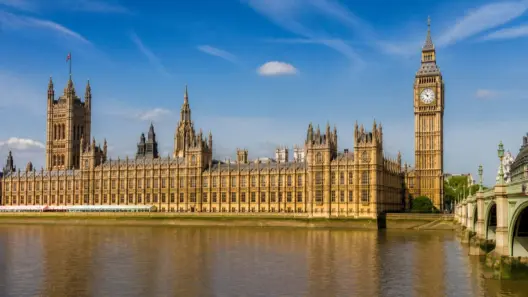
The prestigious Royal Festival Hall in London recently became the epicentre of the music world as Harry Styles delivered a performance that has already been cemented in the annals of contemporary pop history.
Taking a brief hiatus from his colossal residency at Wembley Stadium, Styles transitioned from the roar of eighty thousand fans to the refined, acoustic precision of a 2,700-seat venue. This shift in scale was not merely a change in scenery but a calculated artistic pivot, forming the centrepiece of his curation for the 2026 Meltdown Festival. The evening was defined by a collaboration with the Jules Buckley Orchestra, an ensemble renowned for bridging the gap between classical tradition and modern experimentation. For Styles, this was more than a concert; it was a deliberate statement of musical maturity and a testament to his evolving artistry.
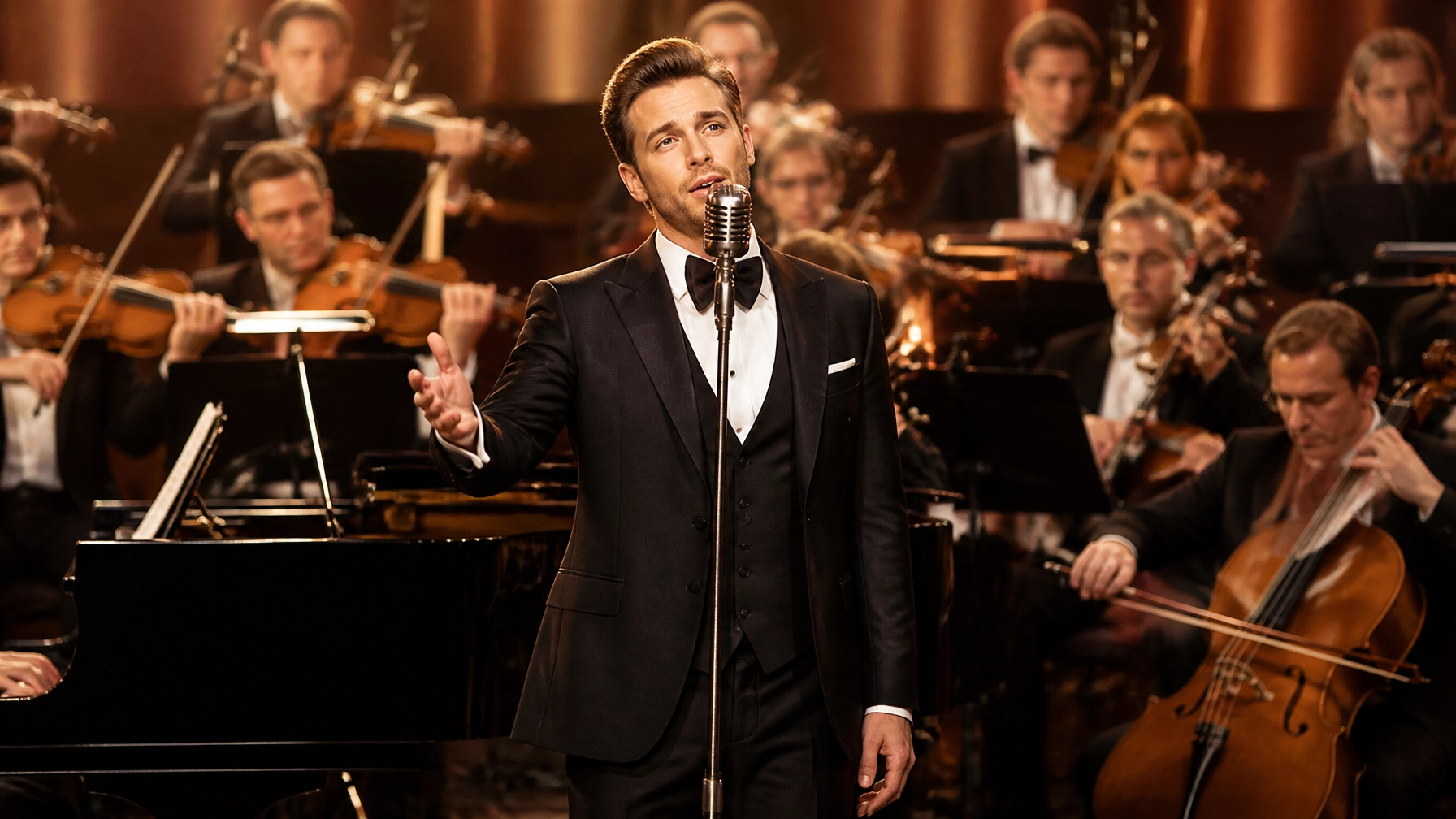
The atmosphere inside the Southbank Centre was one of hushed anticipation, a stark contrast to the high-energy carnival spirit of his stadium tours. As the house lights dimmed, the sheer scale of the Jules Buckley Orchestra was revealed, filling the stage with a sea of strings, brass, and percussion. When Styles finally appeared, he did so with a sense of reverence for the setting, acknowledging the weight of the Meltdown legacy: a festival previously curated by icons such as David Bowie, Yoko Ono, and Nick Cave. This performance was the culmination of his tenure as curator, a role that allowed him to explore the depths of his own catalog through a new lens. The result was a symphonic masterclass that stripped away the artifice of pop production to reveal the structural integrity of his songwriting.
A symphonic transformation at the Royal Festival Hall
The collaboration with Jules Buckley served as the foundation for the night's success. Buckley, a conductor known for his ability to translate the language of pop into complex orchestral arrangements, worked closely with Styles to ensure that the music did not simply have "strings added," but was fundamentally reimagined. The set opened with an atmospheric rendition of "Fine Line," where the original’s sprawling, cinematic ending was expanded into a monumental orchestral swell. The layers of instrumentation provided a rich tapestry that complemented Styles’ vocals, which sounded remarkably resilient and nuanced in the hall’s world-class acoustics.
Throughout the evening, the Jules Buckley Orchestra was given ample space to breathe. At several intervals, the orchestra performed instrumental pieces, including "Matter Red" and "Hummingbird," which served as interludes that deepened the concert's narrative. These moments provided a bridge between Styles’ pop sensibilities and the classical world, introducing a younger demographic to the complexities of orchestral music. Styles himself stood to the side during these sections, visibly moved by the power of the ensemble. He later admitted to the audience that, as a musician who does not read traditional notation, the process of working with Buckley was both daunting and profoundly educational. This humility resonated with the crowd, many of whom had followed his journey from a reality television hopeful to a global superstar capable of curating one of the world's most respected arts festivals.
The technical execution of the night was flawless. The Royal Festival Hall is notorious for its unforgiving clarity, yet the balance between the electric elements of Styles’ band and the acoustic power of the orchestra was handled with expert precision. This was particularly evident during the performance of "Two Ghosts," where the melancholic slide guitar was replaced by a weeping cello section, adding a new layer of gravitas to the track. The arrangement felt timeless, as if the song had always been intended for such a grand, traditional setting. It was a clear indication that Styles is no longer content with the ephemeral nature of pop trends, seeking instead to create work that carries a lasting weight.
Reimagining the contemporary pop songbook
As the concert progressed, it became clear that the objective was to showcase the versatility of Styles’ repertoire. One of the most significant highlights of the night was the inclusion of tracks that are rarely performed in a stadium setting, or those that took on an entirely different character with orchestral backing. "Coming Up Roses" and "The Waiting Game" were delivered with a brooding intensity that felt more akin to a film score than a pop concert. The absence of the usual backing tracks and heavy percussion allowed the lyrical content to take centre stage, highlighting Styles’ growth as a lyricist. The vulnerability in his voice was palpable, especially in the intimate confines of the hall where every breath and inflection could be heard by those in the front rows.
The emotional peak of the night arrived during the encore, when Styles tackled a cover of "Bridge Over Troubled Water." This choice was a bold one, given the song's status as one of the most vocally demanding pieces in the modern canon. Accompanied by the full weight of the orchestra and a choir, Styles delivered what many critics have called the finest vocal performance of his career. The arrangement built from a delicate piano opening to a thunderous, gospel-infused climax that drew a sustained standing ovation. It was a moment of pure musicality that transcended the celebrity of the performer, focusing entirely on the craft of the song.
Styles’ own assessment of the evening was perhaps the most poignant. Addressing the crowd between songs, he remarked that it felt "strange to be in the middle of your own career highlight." This admission reflected the sense of importance that both the performer and the audience attached to the event. For Styles, the Meltdown performance represented a departure from the "Harry’s House" era and a step into a more experimental, legacy-focused phase of his career. The intimacy of the venue allowed for a level of communication with the fans that is impossible in a stadium, creating a shared experience that felt personal and exclusive. The setlist was a carefully curated journey through his solo career, proving that his music holds up under the scrutiny of a classical arrangement.
Defining a new era for the modern headline performer
The significance of this Meltdown performance extends beyond a single night at the Southbank Centre. By curating the festival and opting for such a high-concept headline show, Styles has set a new precedent for pop artists of his stature. It demonstrates a desire to engage with the broader cultural landscape and to use his platform to champion diverse musical forms. His curation of the 2026 festival included a wide array of artists from various genres, but it was his own orchestral experiment that served as the definitive proof of the festival's mission: to push boundaries and foster unique artistic conversations.
The impact on the audience was visible. The crowd, a mix of long-time fans and seasoned festival-goers, was witness to a performer at the height of his powers, yet one who is still willing to take risks. The decision to pause a massive stadium tour to perform a one-off orchestral show is a move that few artists would make, given the logistical and financial complexities involved. However, the artistic payoff was immeasurable. The concert proved that Styles is capable of commanding a room with nothing but his voice and a group of world-class musicians, a feat that cements his status as one of the most formidable performers of his generation.
As the final notes of the orchestra faded and the lights rose, there was a collective sense that something significant had occurred. The Meltdown performance was a reminder of the power of live music to transform and elevate the human experience. It was a night where the boundaries between pop and classical, between the stadium and the concert hall, were dissolved. Harry Styles did not just shine at the London Meltdown Festival; he redefined what it means to be a modern pop icon. The "career highlight" he described was not just a personal milestone, but a high-water mark for the industry as a whole, suggesting that the future of pop music might lie in its ability to embrace the traditions of the past while looking firmly toward the future.