Residents in the London Borough of Ealing have marked a significant milestone this month as local monitoring confirmed that a decade-long cycle of destructive urban flooding has been effectively halted.
The solution to this persistent environmental challenge did not come from multi-million-pound concrete infrastructure or new drainage systems, but from a small family of Eurasian beavers. Since their introduction to a fenced enclosure at Paradise Fields in Greenford, these industrious mammals have transformed a previously neglected eight-hectare site into a sophisticated wetland ecosystem that now serves as a primary flood defence for the surrounding neighbourhood.
For over ten years, the area around Greenford station and the nearby Costons Brook has been a focal point for flood-related disruption. Heavy rainfall frequently overwhelmed the local stormwater network, leading to submerged streets and significant damage to local property. In the past, the local council had considered extensive engineered solutions, including the construction of artificial reservoirs, to manage the excess water. However, the success of the Ealing Beaver Project has demonstrated that nature-based solutions can offer a more sustainable and cost-effective alternative to traditional civil engineering. By mid-2026, the data indicates that the beaver-engineered landscape has successfully managed peak water levels during the winter’s heaviest storms, preventing any overflow into the sensitive urban areas for the first time in recent memory.
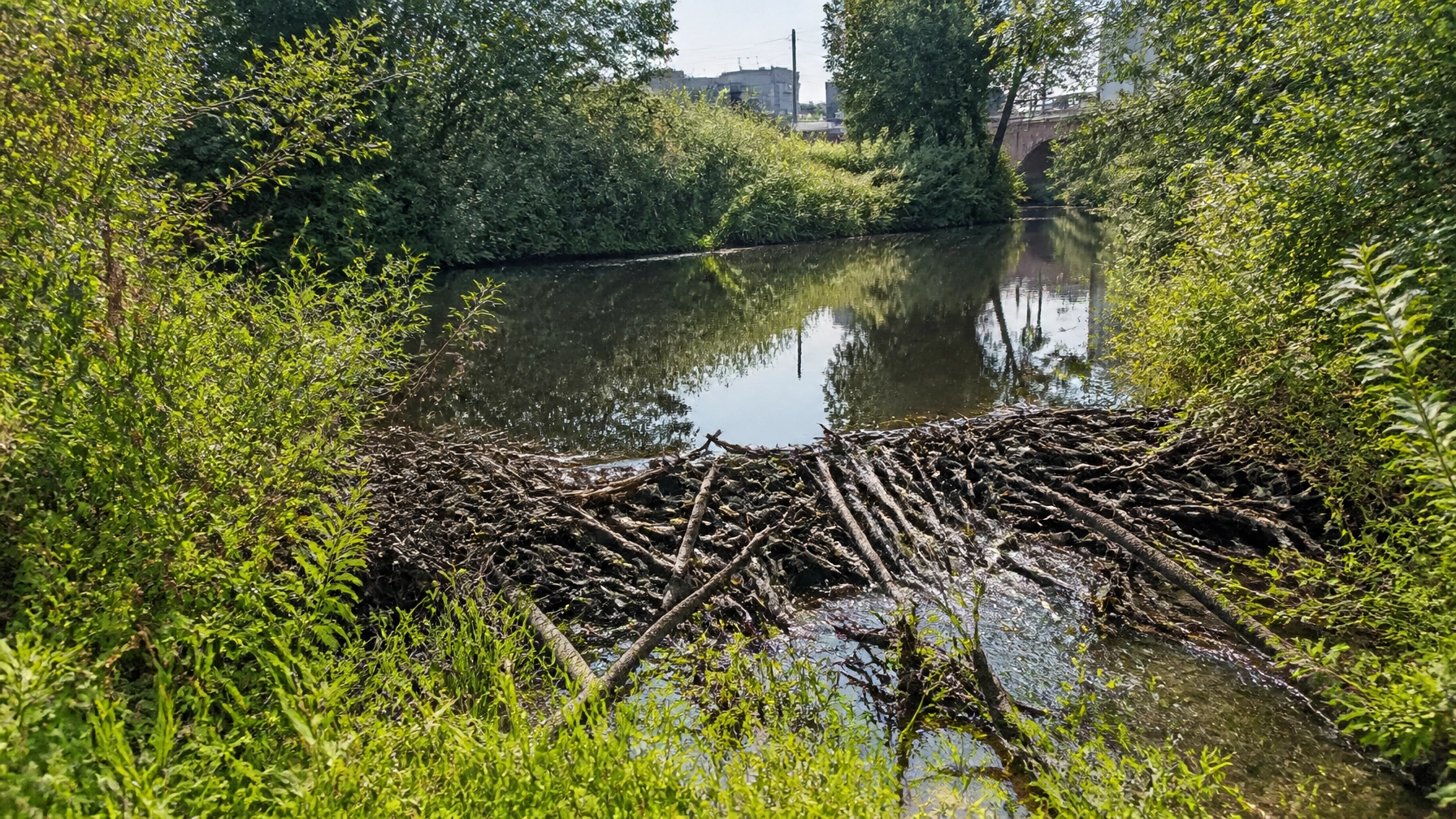
The transformation of Paradise Fields has been rapid. When the first five beavers were released in late 2023, the site was a relatively uniform patch of scrubland and grass. Today, it is a mosaic of ponds, canals, and wetlands. The beavers have constructed at least eight significant dams across the site, which act as a series of natural leaky barriers. These structures do not stop the flow of water entirely but instead slow it down significantly, allowing it to pool and soak into the ground rather than rushing downstream in a single, overwhelming surge. This "sponge" effect has proved vital in protecting the local infrastructure, particularly the London Underground assets that were previously vulnerable to flash flooding.
Natural Flood Management in Urban Spaces
The technical success of the Paradise Fields project lies in the specific way beavers manipulate their environment. In a typical urban setting, rain falling on hard surfaces like roads and pavements is funnelled directly into pipes and eventually into local brooks. This creates a "peak" in water volume that can quickly exceed the capacity of the channel. The beaver dams at Greenford provide a series of storage basins that capture this water at the source. During the heavy downpours of the past six months, hydrologists have observed that while the water level within the beaver enclosure rose significantly, the discharge rate into the downstream sections of Costons Brook remained stable.
This natural management system has also addressed the issue of drought resilience. In previous years, the Greenford area would oscillate between flooding in the winter and severe drying of the soil in the summer. The deep ponds created by the beavers maintain a constant water table, ensuring that the ground remains hydrated even during dry spells. This has a cooling effect on the local microclimate, which is increasingly important as urban areas face rising temperatures. The beavers’ ability to excavate canals also helps to distribute water more evenly across the landscape, ensuring that no single area becomes dangerously waterlogged while others remain parched.
Furthermore, the economic implications of this project are becoming increasingly clear to local authorities. Traditional flood defences require significant capital investment and ongoing maintenance costs. In contrast, the beavers at Paradise Fields perform their maintenance daily at no cost to the taxpayer. The project has shown that by providing space for natural processes to take hold, local governments can achieve long-term environmental goals while reducing the strain on public finances. The success in Ealing is now being looked at by other urban councils across the United Kingdom as a viable model for managing flood risks in densely populated areas where space for traditional infrastructure is limited.
Biodiversity and Ecosystem Restoration
Beyond their role as "ecosystem engineers" for flood management, the beavers have sparked a remarkable resurgence in local wildlife. The creation of the wetland mosaic has provided a variety of niches that were previously absent from the Greenford landscape. Recent surveys have confirmed the presence of several species of bats, dragonflies, and butterflies that had not been seen in the area for years. The stagnant and slow-moving water behind the dams has also become a nursery for freshwater shrimp and various fish species, which in turn have attracted predatory birds such as herons and kingfishers.
The social heart of the project has been the growth of the beaver family itself. In the spring of 2026, conservationists confirmed the birth of a new litter of kits, bringing the total population within the enclosure to approximately eight individuals. These kits are a testament to the health of the habitat the original pair has built. The presence of the beavers has also turned Paradise Fields into a hub for community engagement. Local schools and volunteer groups frequently visit the site to participate in "beaver-watching" sessions and to help manage the surrounding woodland. This has fostered a renewed sense of pride in the local environment, connecting urban residents with a species that was hunted to extinction in Britain hundreds of years ago.
Water quality monitoring has provided another unexpected benefit. The beaver dams act as natural filters, trapping sediment and absorbing pollutants from urban runoff. Data from the last twelve months shows a marked reduction in phosphates and nitrates in the water leaving the Paradise Fields site compared to the water entering it from the surrounding streets. By slowing the water down, the beavers allow these chemicals to be broken down by plants and microbes within the wetland. This means that the project is not only preventing flooding but is also actively cleaning the water that eventually flows into the River Thames, contributing to a healthier river system for the entire city.
A Blueprint for Future Urban Rewilding
The success of the Ealing project has provided a blueprint for how rewilding can be integrated into the heart of a modern city. For many years, rewilding was seen as a practice reserved for vast, remote estates in the Scottish Highlands or the rural southwest. Ealing has proven that even a relatively small, fenced urban site can deliver significant environmental benefits if managed correctly. The project has balanced the needs of the beavers with the requirements of a busy metropolitan area, demonstrating that humans and "wild" nature can coexist in close proximity.
One of the key lessons from Paradise Fields is the importance of community involvement. The project was not forced upon the residents of Greenford but was developed in collaboration with them. Local volunteers have been instrumental in monitoring the site, maintaining the perimeter fencing, and educating the public about the benefits of beavers. This bottom-up approach has helped to alleviate concerns about the impact of the animals on the local area and has built a strong foundation of public support. As other cities look to replicate Ealing's success, the emphasis on local partnership will likely be as important as the biological aspects of the rewilding itself.
Looking ahead, the Ealing Beaver Project is set to expand its influence. There are already discussions about identifying further sites within the capital where beavers could be introduced to manage flood risks and improve biodiversity. The project has shown that the "urban beaver" is not a contradiction in terms, but a practical and necessary part of the future urban landscape. By allowing these animals to do what they do best, Ealing has not only solved a decade-long flooding problem but has also created a richer, more resilient, and more beautiful environment for all its inhabitants. The return of the beaver is more than just a conservation success story; it is a vision of how our cities can adapt to a changing climate by working with nature rather than against it.