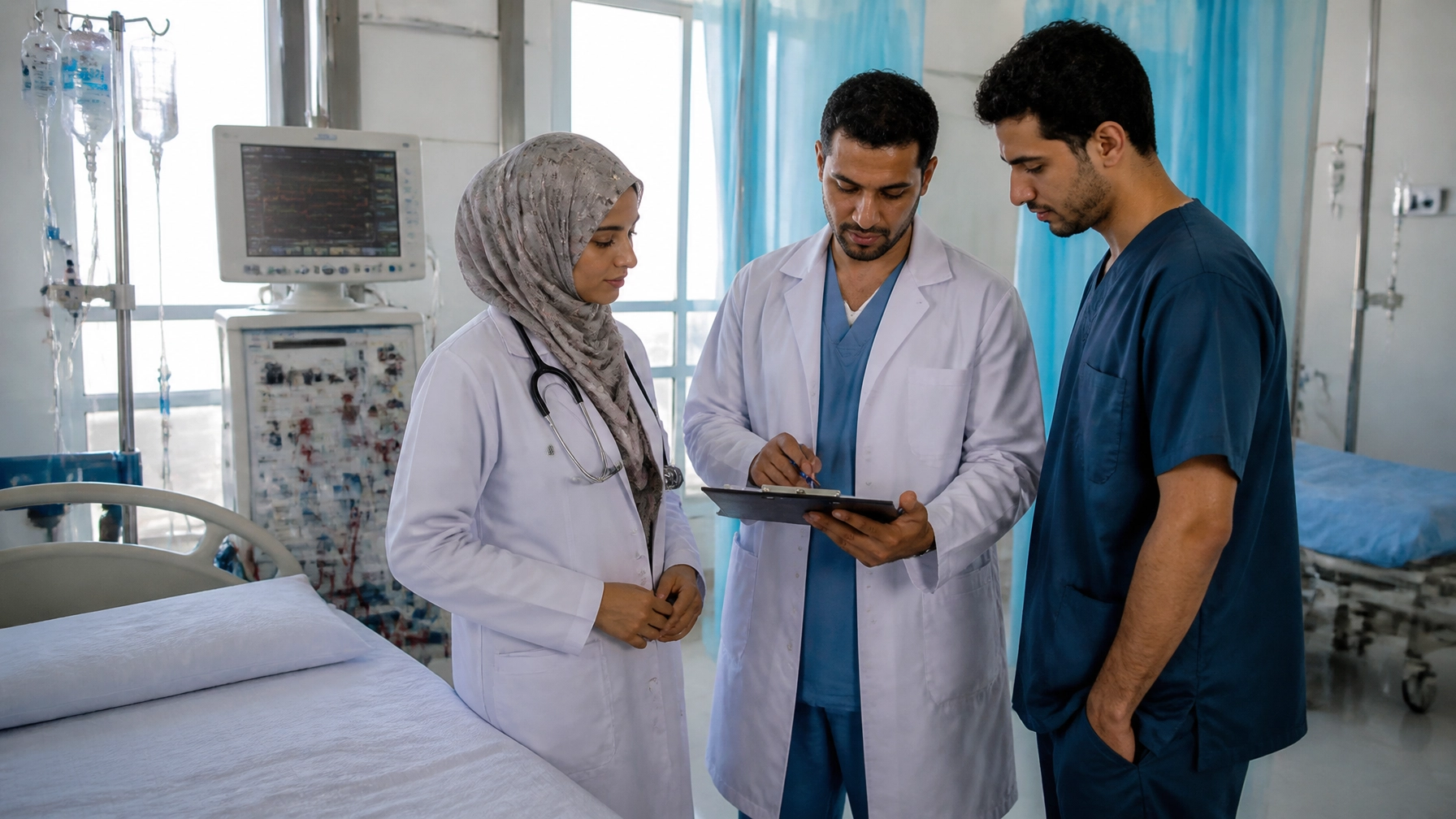
In the heart of a nation long defined by the shadows of conflict, a quiet medical revolution is unfolding that promises to redefine the future of Yemeni healthcare.
The Cardiovascular and Kidney Transplant Centre in Taiz has emerged as a beacon of clinical excellence, achieving surgical milestones that were once considered impossible within the country’s borders. For thousands of patients suffering from end-stage organ failure and complex heart conditions, the establishment of advanced transplant and cardiac services represents more than just medical progress; it is a vital lifeline in a region where travel abroad for treatment is often a financial and logistical impossibility.
The scale of the achievement is remarkable when viewed against the backdrop of Yemen’s damaged infrastructure. In recent months, the centre has solidified its reputation as a national reference hub, successfully conducting a series of intricate procedures including open-heart surgeries and kidney transplants. These operations, supported by international humanitarian efforts and local expertise, have begun to address a massive backlog of patients who previously had little hope of survival. The initiative has successfully bridged the gap between basic emergency care and the highly specialised tertiary services required to manage chronic, life-threatening diseases.
A Centre of Excellence Amidst Conflict
The emergence of the Taiz centre as a specialist hub is the result of years of dedicated work by local medical professionals and international partners. Under the leadership of Professor Abudar Alganadi, the facility has moved beyond the scope of traditional wartime medicine to provide sophisticated interventions. The centre’s recent campaigns have seen the completion of dozens of surgeries in remarkably short timeframes, demonstrating a capacity for high-volume, high-quality care. This includes the successful implementation of catheter-based repairs for congenital heart defects in children, a procedure that requires immense precision and advanced diagnostic technology.
The introduction of the Azurion 3 F15 cardiac catheterisation system has been a particular turning point. This state-of-the-art equipment has allowed surgeons to perform diagnostic and interventional procedures with a level of accuracy comparable to leading international hospitals. By integrating this technology into the daily operations of the Taiz facility, the medical team has been able to reduce recovery times and improve patient outcomes significantly. The focus has not only been on performing the surgeries themselves but on creating a sterile, controlled environment that meets international standards for post-operative care, which is critical in preventing complications and ensuring the long-term success of transplant procedures.
The impact on the local community is profound. For years, the only option for Yemeni citizens requiring a transplant or heart surgery was to seek treatment in neighbouring countries or further afield. This required significant sums of money, valid travel documents, and the physical stamina to endure long, often dangerous journeys through contested territories. By bringing these services to Taiz, the medical team has removed these barriers, ensuring that life-saving care is accessible to those who need it most, regardless of their socio-economic status.
Transforming Lives Through Advanced Surgery
The statistics coming out of the Taiz centre tell a story of rapid growth and clinical success. To date, the facility has performed over 1,300 open-heart surgeries and more than 3,700 cardiac catheterisations. These figures represent a massive undertaking in any environment, but in a city that has faced prolonged periods of isolation, they are nothing short of extraordinary. The expansion into kidney and even liver transplantation marks the next phase of this medical evolution. With over 140 kidney transplants already completed, the centre is now routinely handling cases that were previously managed only through long-term dialysis: a treatment that is both exhausting for the patient and a significant drain on hospital resources.
Individual stories from the ward highlight the human element of this technological advancement. Young children born with debilitating heart defects are now receiving corrective surgery that allows them to lead normal, healthy lives. Adults who have spent years tied to dialysis machines are regaining their independence through successful organ transplants. These successes have built a deep sense of trust between the medical establishment and the public, encouraging more people to come forward for screening and early intervention. The team in Taiz has demonstrated that with the right combination of local talent and international support, it is possible to provide world-class medical care even in the most challenging circumstances.
The complexity of these operations cannot be overstated. A single kidney transplant requires a highly coordinated team of surgeons, anaesthetists, and specialist nurses, as well as a robust laboratory infrastructure to ensure donor compatibility. The fact that these teams are now operating with such regularity in Taiz is a testament to the resilience and skill of the Yemeni medical workforce. Many of these professionals have remained in the country throughout the conflict, choosing to dedicate their skills to the service of their fellow citizens despite the personal risks and professional challenges involved.
Building a Sustainable Future for Yemeni Healthcare
While the immediate success of the transplant campaigns has been celebrated, the long-term goal for the Taiz centre is sustainability. Medical leaders in the region are working to transition from one-off surgical missions to a permanent, self-sustaining ecosystem of advanced care. This involves the continuous training of local staff, the establishment of reliable supply chains for specialist medicines and equipment, and the creation of a national registry for transplant patients. The support of organisations like Qatar Charity and the Tawakkol Karman Foundation has been instrumental in this regard, providing not only the funding for surgeries but also the investment in infrastructure and training that will benefit the country for decades to come.
Sustainability also means expanding the scope of care to other regions and specialities. The success in Taiz is already serving as a blueprint for other governorates in Yemen, showing that high-level medical services can be established and maintained despite external pressures. There is a growing emphasis on preventative care and early diagnosis, particularly in the field of cardiovascular health, to reduce the number of patients who eventually require surgery. By building a comprehensive healthcare system that ranges from primary clinics to advanced transplant centres, Yemen is slowly constructing a future where its citizens no longer have to fear being left behind by modern medicine.
The international community’s role remains crucial. Continued investment in Yemen’s healthcare infrastructure is needed to ensure that the progress made in Taiz is not lost. This includes support for medical education, the provision of essential medical supplies, and the maintenance of advanced surgical equipment. As the centre moves forward with its plans for further liver transplants and even more complex cardiac procedures, it stands as a powerful reminder of what can be achieved when humanitarian aid is focused on building long-term capacity and empowering local experts. The revolution in Taiz is not just about medical science; it is about restoring dignity and hope to a population that has endured so much.