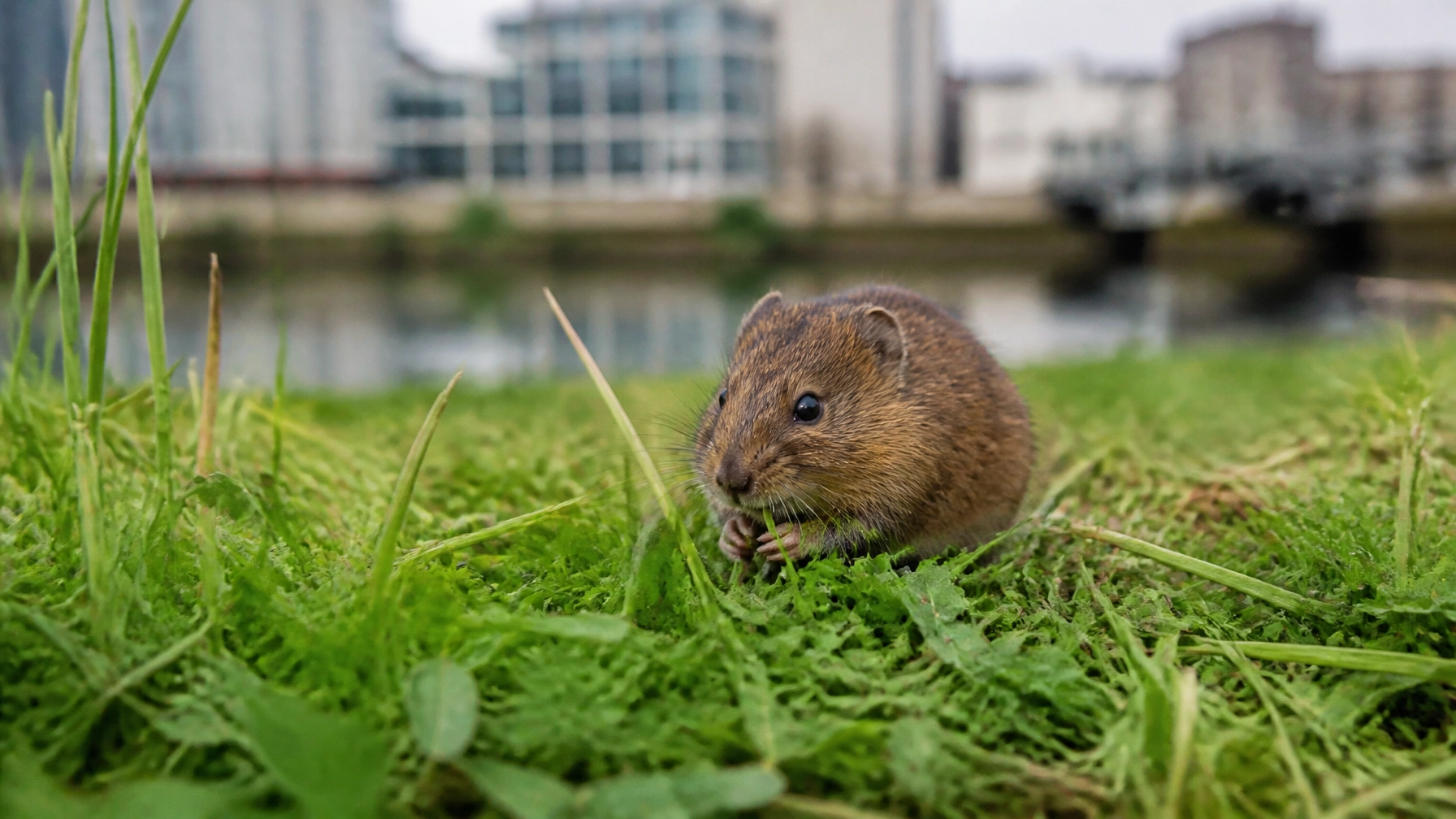
A major conservation effort has successfully concluded in the east end of Glasgow, ensuring the safety of a rare population of water voles ahead of a significant infrastructure upgrade.
The operation, led by Scottish Water, involved the careful trapping and relocation of fossorial water voles from the Wellhouse area to allow for the commencement of a sustainable drainage project designed to bolster the city's resilience against climate change. These creatures, which represent a unique urban population that lives almost entirely underground, were moved to a carefully selected receptor site where they can thrive away from the disturbance of heavy machinery and construction activity.
The project represents a landmark collaboration between engineers and ecologists, demonstrating that vital urban development does not have to come at the expense of local biodiversity. Specialist teams spent weeks on-site, monitoring the vole colonies and ensuring that every individual was accounted for before the groundworks began. This proactive approach highlights a shift in how major utility providers manage environmental responsibilities, placing the protection of "priority species" at the heart of their operational planning.
Safeguarding a Rare Urban Population
The water voles found in Glasgow’s Greater Easterhouse area are not your typical riverbank dwellers. Unlike their cousins who inhabit the edges of streams and ponds across the British Isles, this specific population is fossorial, meaning they spend the vast majority of their lives in complex burrow systems beneath grassland. This adaptation to an urban environment is exceptionally rare in the UK, making the Glasgow colonies a subject of significant national interest for conservationists and mammalogists alike.
Because they reside in the soil of parklands and residential green spaces, they are particularly vulnerable to surface-level developments. The burrows provide protection from predators, but they offer little defence against the heavy excavation required for modern drainage systems. To mitigate this risk, ecologists employed a meticulous trapping programme, using specialized equipment to capture the voles without causing them stress or physical harm. Once captured, the animals were given health checks and transported to a pre-prepared habitat that mirrors the conditions of their original home, but with the added benefit of being protected from future industrial encroachment.
The importance of this relocation effort cannot be overstated. Water voles have seen a dramatic decline across Britain over the last century, primarily due to habitat loss and the spread of non-native predators such as the American mink. However, the fossorial population in Glasgow has remained remarkably resilient, carving out a niche in the heart of the city. By securing their future, the project team is not just saving individual animals; they are preserving a unique genetic lineage that has adapted to thrive in the face of urban expansion.
The Mechanics of Sustainable Drainage
The catalyst for this relocation is a sprawling sustainable drainage project aimed at modernizing Glasgow’s water management infrastructure. As extreme weather events become more frequent and intense, the city’s traditional Victorian sewer systems have faced increasing pressure. The new works in Wellhouse are part of a broader strategy to implement Sustainable Drainage Systems, often referred to as SuDS, which move away from the traditional reliance on narrow underground pipes and toward more naturalistic solutions.
SuDS are designed to mimic the natural water cycle by capturing, slowing, and treating rainwater where it falls. Instead of rushing directly into the sewer network, which can lead to overflow and flash flooding, stormwater is directed into swales, detention basins, and specially engineered wetlands. These features allow the water to soak into the ground gradually or be stored temporarily during peak rainfall. For the residents of Wellhouse and the wider Greater Easterhouse area, this project translates to a reduced risk of property flooding and more reliable utility services.
The construction of these features requires significant land movement, which is why the vole relocation was so critical. The creation of detention basins involves excavating large areas of topsoil to create the necessary storage capacity for rainwater. Without the relocation programme, the fossorial voles living in these fields would have been displaced or killed during the digging phase. By integrating ecological surveys into the earliest stages of the engineering design, Scottish Water has been able to create a schedule that respects the breeding and hibernation cycles of the local wildlife, ensuring the construction window aligns with the safest periods for animal movement.
Balancing Development with Biodiversity
This initiative serves as a blueprint for future urban projects across the country, proving that environmental protection and infrastructure progress can go hand in hand. The successful relocation of the Wellhouse water voles was conducted under strict licences and in accordance with best-practice guidelines established by national conservation bodies. It reflects a growing understanding that cities must be viewed as ecosystems in their own right, rather than just concrete landscapes for human habitation.
In addition to the immediate benefits for the water voles, the new drainage project will eventually provide enhanced green spaces for the local community. Many SuDS features, such as ponds and wildflower-rich swales, double as valuable habitats for a wide range of other species, including dragonflies, amphibians, and pollinating insects. Once the construction is complete and the vegetation has matured, these areas will likely see an increase in overall biodiversity, contributing to Glasgow’s reputation as a "Dear Green Place."
The relocation of the voles is just one part of a multi-year investment in the city’s infrastructure. As Glasgow continues to adapt to the challenges of the twenty-first century, the lessons learned in Wellhouse will undoubtedly influence how other major works are approached. The emphasis on early-stage ecological intervention, community consultation, and long-term monitoring ensures that the city’s natural heritage is not only protected but actively restored. For the rare burrowing water voles of the east end, the successful move marks the beginning of a new chapter in a safe, undisturbed environment, while residents above ground can look forward to a more flood-resilient future.