The total number of people who have arrived in the UK after crossing the English Channel in small boats has officially surpassed the 200,000 mark. This milestone, reached in May 2026, comes approximately eight years after the Home Office first began formally recording these specific types of arrivals in early 2018. While the phenomenon of irregular migration is not new, the shift toward using small, often unseaworthy inflatable vessels has transformed the landscape of UK border control and dominated political discourse for nearly a decade.
Initial records from 2018 showed just 299 people making the journey across one of the world's busiest shipping lanes. At that time, the numbers were seen as a relatively minor statistical anomaly compared to other methods of entry. However, the figures escalated rapidly in the following years. By 2019, the number had risen to 1,843, and by 2020, it surged to 8,462. The most significant jump occurred in 2021, when over 28,000 people arrived, followed by a record peak in 2022 of 45,755 individuals. Although there was a temporary decline in 2023, the numbers began to climb again throughout 2024 and 2025, leading directly to the current cumulative total exceeding 200,000.
This volume of arrivals has placed unprecedented pressure on the UK’s asylum system, local government resources, and coastal infrastructure. The sheer scale of the 200,000 figure highlights the persistent nature of the challenge facing successive administrations, despite various attempts to deter crossings through legislative changes, international agreements, and increased maritime surveillance.
The Evolution of Channel Crossings
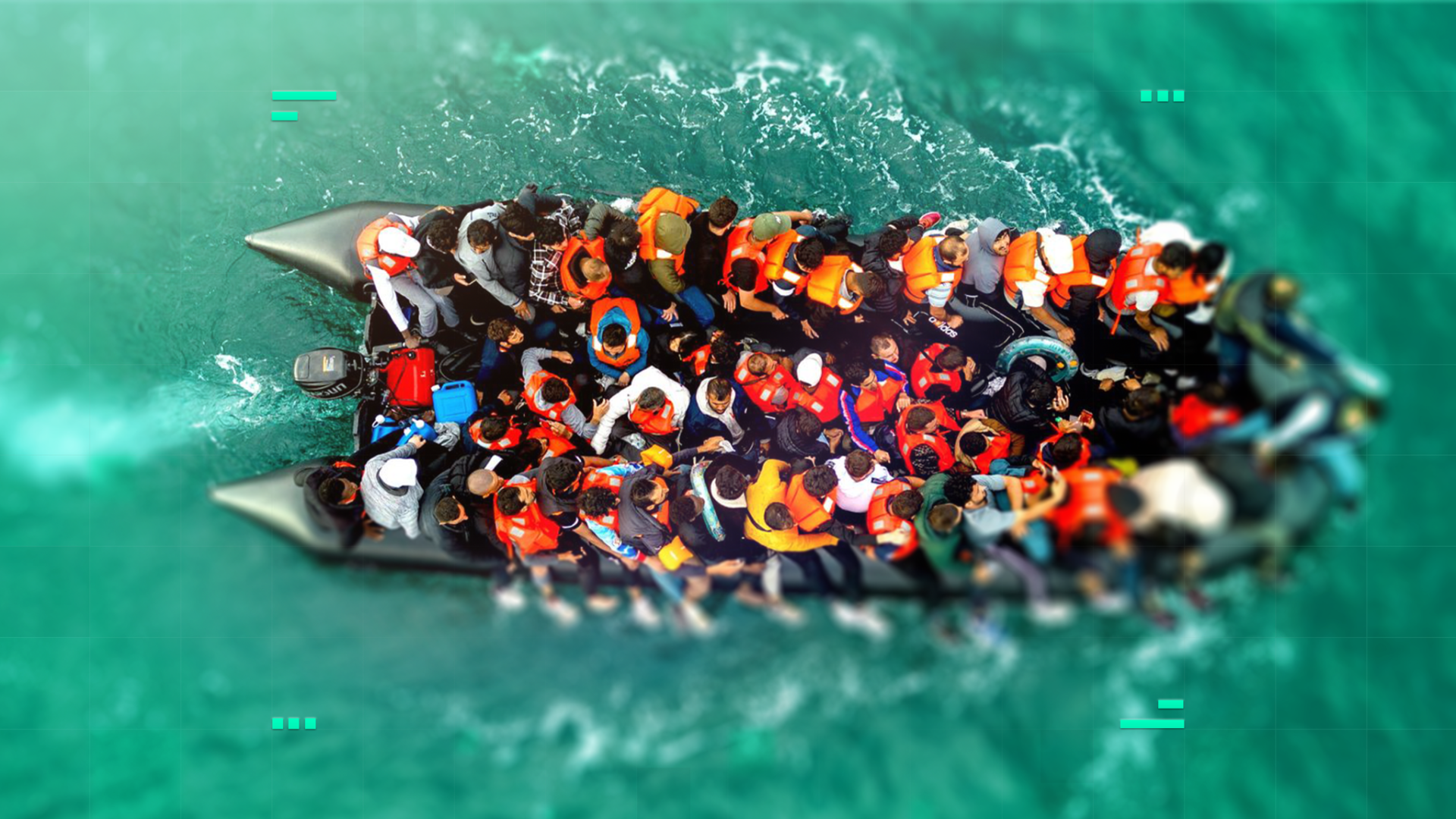
The methods used by people smugglers and the profiles of those making the journey have shifted significantly since 2018. In the early stages, crossings were often made in smaller groups using rigid-hulled inflatable boats (RHIBs) or even kayaks. As the demand for crossings grew and enforcement intensified, smuggling gangs moved toward larger, flimsy dinghies, often "factory-built" specifically for a single use. These vessels are frequently overloaded, carrying dozens more people than their design allows, which has led to a series of tragic incidents in the Channel.
Geographically, the points of departure have also expanded. While the coast around Calais and Dunkirk remains the primary jumping-off point, groups are now often launched from beaches further north and south along the French coastline to evade patrols. This evolution has required the UK and French authorities to constantly adapt their surveillance techniques, moving from simple land-based patrols to the use of advanced drones, thermal imaging, and satellite tracking.
The nationalities of those arriving have also fluctuated over the years. Data shows that in certain periods, there have been high numbers of individuals from countries like Albania, Afghanistan, Iran, and Iraq. These shifts often reflect broader geopolitical instabilities or changes in visa requirements in transit countries. The evolving nature of these demographics suggests that the "pull factors" are often overshadowed by significant "push factors" from the countries of origin, making the Channel crossing the final, dangerous leg of a much longer journey across multiple continents.
Legislative Responses and Challenges
In response to the rising numbers, the UK government has introduced a series of legislative measures aimed at breaking the business model of the smuggling gangs and discouraging people from making the crossing. High-profile policies have included the Nationality and Borders Act and the Illegal Migration Act, which sought to make it easier to remove individuals who arrive via irregular routes and to restrict their ability to claim asylum within the UK.
One of the most contentious aspects of the legislative response has been the attempt to establish third-country processing or removal agreements. These policies have faced significant legal challenges in both domestic and international courts, leading to lengthy delays and intense public debate regarding the UK’s obligations under international law, specifically the 1951 Refugee Convention. Despite these legal hurdles, the drive for a deterrent-based policy has remained a central pillar of the government’s strategy.
Furthermore, the financial cost of managing these arrivals has been a major point of contention. The daily expense of housing thousands of people in hotels while their asylum claims are processed reached billions of pounds annually. This led to the introduction of alternative accommodation sites, such as former military bases and large-scale barges. These sites have been met with mixed reactions from local communities and human rights organisations, illustrating the complex balancing act between managing border security and providing adequate humanitarian support.
Humanitarian and Social Implications
Beyond the statistics and the political rhetoric, the milestone of 200,000 arrivals underscores a significant humanitarian issue. The English Channel is one of the most dangerous stretches of water in the world, known for its unpredictable weather, strong currents, and heavy commercial traffic. The fact that hundreds of thousands of people have been willing to risk their lives in overcrowded dinghies points to the desperation felt by many of those attempting the crossing.
The social impact on UK coastal towns, particularly in Kent, has also been profound. Local services, from healthcare to social care for unaccompanied minors, have often reached breaking point. Community groups and charities have stepped in to provide initial aid, such as dry clothes and food, at arrival points like Dover and Folkestone. This has fostered both a strong sense of local volunteerism and, in some areas, significant social tension and concern regarding the long-term impact on local infrastructure.
The integration of those who are ultimately granted refugee status remains a long-term social challenge. With small boat arrivals making up a substantial portion of all UK asylum applications: estimated at around 41% in 2025: the speed and efficiency of the asylum decision-making process have become critical. Reducing the backlog of claims is seen as essential not only for the welfare of the individuals involved but also for reducing the overall cost to the taxpayer and ensuring that those with legitimate claims can begin to rebuild their lives and contribute to British society.
The 200,000 figure is more than just a number; it represents a decade of significant change for the UK’s borders. As of May 2026, the arrival of more than 7,500 people in the first few months of the year alone suggests that the trend is far from over. The ongoing debate continues to focus on how to secure the border effectively while maintaining humanitarian standards and addressing the root causes of migration that lead people to the shores of northern France in the first place.