The director of GCHQ has delivered a sobering assessment of the digital battlefield, warning that the United Kingdom is facing a relentless and escalating wave of cyber attacks orchestrated by the Russian state. In a significant public intervention, Anne Keast-Butler detailed how the Kremlin is moving beyond traditional espionage to actively target the nation's critical infrastructure, democratic institutions, and essential supply chains. This shift marks a transition into what security experts describe as a permanent state of hybrid warfare, where the boundaries between peace and conflict are increasingly blurred by the use of digital subversion and sabotage.
Speaking about the scale of the challenge, the intelligence chief highlighted that the Russian threat is not merely a series of isolated incidents but a co-ordinated, daily effort to destabilise the British way of life. From the energy grids that power our homes to the water systems and financial networks that underpin the economy, no sector is considered off-limits. The warning serves as a clarion call for both the public and private sectors to bolster their defences against an adversary that is described as being increasingly aggressive and chaotic in its pursuit of disruption.
The nature of these operations often takes place in the "grey zone": an area of international relations where actions are designed to fall just below the threshold of open military conflict while still achieving strategic objectives. By leveraging cyber tools, Russia is able to project power and sow discord without the immediate risk of a conventional war. However, the cumulative effect of these intrusions is significant, leading to a loss of public trust in digital systems and a constant drain on national resources as the UK works to mitigate and recover from various breaches.
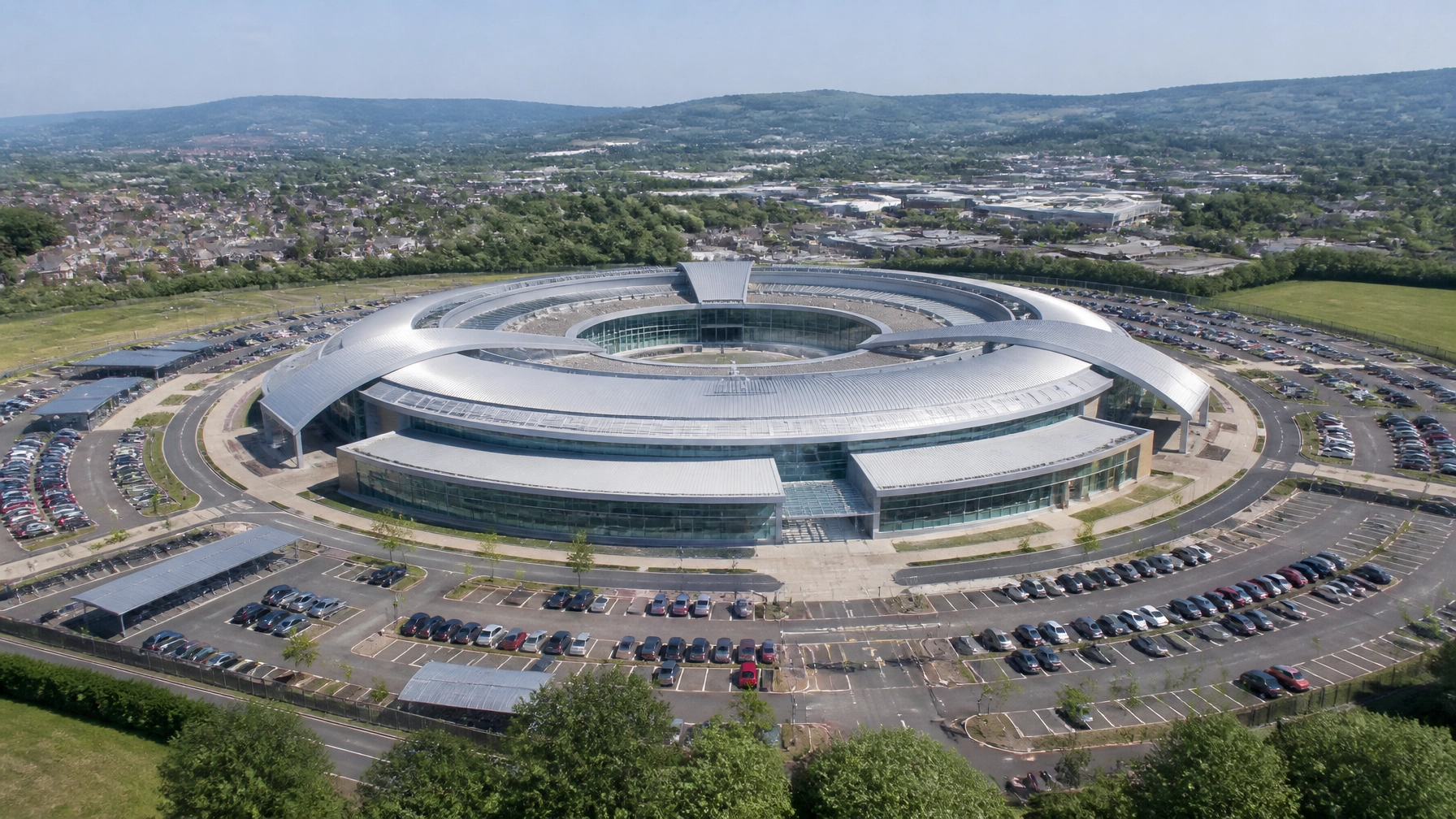
GCHQ, the government’s signals intelligence and cybersecurity agency based in Cheltenham, has been at the forefront of identifying and neutralising these threats. Keast-Butler’s testimony underscores the reality that the UK is currently locked in a high-stakes digital arms race. As the Kremlin scales up its "hybrid activity" across Europe, the intelligence community is working to degrade Russian capabilities and disrupt the smuggling of Western technology that fuels their military and cyber engines. The stakes are heightened by the integration of cyber operations with more traditional forms of physical sabotage and intelligence gathering, creating a complex web of threats that demand a sophisticated and unified national response.
The evolution of hybrid warfare and the grey zone
The concept of hybrid warfare has evolved rapidly over the last decade, moving from a peripheral concern to the centre of national security strategy. In the modern era, a nation can be attacked without a single shot being fired. This is achieved through a combination of cyber-attacks, disinformation campaigns, and economic pressure. The GCHQ director’s recent remarks point to a deliberate Russian strategy to use these non-military means to achieve political ends. By targeting the democratic processes of the UK and its allies, the Kremlin seeks to undermine the integrity of elections and weaken the social fabric of Western societies.
This "grey zone" activity is particularly difficult to counter because it is often deniable. When a hospital’s computer systems are locked by ransomware or a power plant experiences a mysterious technical failure, the hand of a foreign state is not always immediately visible. Attribution takes time, and by the time the evidence is gathered, the damage is already done. Furthermore, Russia has become adept at using proxy groups: criminal hacking collectives that operate with the tacit approval or direction of the state: to carry out its dirty work. This provides a layer of insulation for the government in Moscow, allowing them to claim that such activities are the work of independent actors rather than official state policy.
The UK’s response to this evolution has been to treat cybersecurity as a pillar of national defence. The creation of the National Cyber Force and the continued investment in GCHQ’s defensive capabilities are reflections of this shift. However, as the threat becomes more "relentless," the burden of defence cannot rest solely on the shoulders of the intelligence services. It requires a holistic approach where businesses, infrastructure providers, and even individual citizens understand the role they play in the national security ecosystem. The interconnected nature of the modern world means that a vulnerability in a small supplier's network can provide a gateway into the UK's most sensitive systems.
Protecting critical national infrastructure and supply chains
One of the most alarming aspects of the current threat landscape is the focus on critical national infrastructure. This includes the systems that are essential for the functioning of society, such as transport, energy, healthcare, and communications. The GCHQ chief's warning specifically mentioned that these sectors are being targeted with increasing frequency. The objective of such attacks is rarely just to steal data; rather, it is often to establish a presence within these networks that can be activated at a time of Russia’s choosing to cause maximum disruption or physical damage.
The vulnerability of supply chains has also emerged as a primary concern. Modern industries rely on complex, global networks of vendors and service providers. An attacker does not need to breach the primary target directly if they can find a weak link in the chain. By compromising a software provider or a hardware manufacturer, a hostile state can gain access to thousands of downstream customers simultaneously. This "one-to-many" attack vector is a hallmark of sophisticated state-sponsored operations and represents a significant challenge for risk management.
To combat this, the UK government has been working closely with industry leaders to implement more robust security standards. This includes the implementation of "zero trust" architectures and more rigorous vetting of third-party vendors. However, the sheer scale of the Russian effort means that new vulnerabilities are being discovered and exploited almost as quickly as old ones are patched. The "aggression and chaos" mentioned by Keast-Butler suggests an adversary that is willing to take higher risks than in the past, potentially leading to unintended consequences that could spiral out of control.
Global alliances and the digital front line
The fight against Russian cyber aggression is not one that the UK can win alone. It is a global challenge that requires a co-ordinated response from international partners, particularly within the NATO alliance. The GCHQ director emphasised that the threat extends across Europe and beyond, as Russia seeks to project its influence and retaliate against those who support Ukraine. By sharing intelligence and aligning their defensive strategies, the UK and its allies can create a more formidable barrier to Russian digital incursions.
Recent measures, such as the imposition of sanctions on Russian-linked cryptocurrency networks, demonstrate the multi-faceted nature of the response. These networks are often used to bypass traditional financial sanctions and fund the very cyber operations that target the West. By cutting off these financial lifelines, the UK aims to degrade the operational capacity of hostile actors. Additionally, the disruption of technology smuggling routes is crucial in ensuring that the Kremlin does not have access to the high-end chips and software required to maintain its sophisticated cyber arsenal.
The digital front line is also where values are contested. While the UK and its partners advocate for a free, open, and secure internet, adversaries like Russia see the digital realm as a tool for control and coercion. This ideological divide shapes the nature of the conflict. Protecting the UK's democracy involves not just securing the voting machines but also safeguarding the information environment from state-sponsored disinformation. As GCHQ continues to monitor and neutralise these threats, the message remains clear: the threat is persistent, the stakes are high, and the defence of the nation now begins in the digital domain.