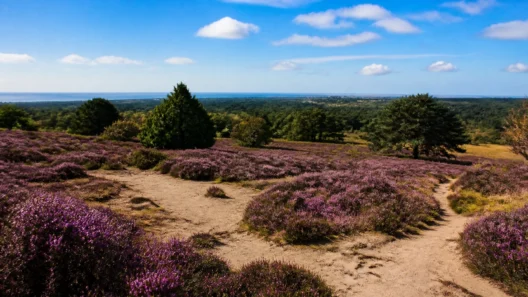
West Yorkshire’s natural landscape, from the rugged heights of the Pennines to the dense urban pockets of Leeds and Bradford, is home to a staggering variety of wildlife.
However, the intersection of nature and human development often leads to casualties. Recognising an urgent need for quicker response times and better regional coverage, a major new volunteer drive has been launched in the county. This initiative, a collaborative effort between the RSPCA and UK Wildlife Transporters, aims to build a robust network of local heroes ready to step in when an animal is in distress.
The launch comes at a time when traditional wildlife services are under immense pressure. Across the United Kingdom, wildlife hospitals and rescue centres are reaching capacity, often struggling with the logistics of getting an injured animal from a roadside or a garden to a vet who can provide life-saving treatment. In West Yorkshire, where the geography can be challenging, the time it takes to transport a casualty can be the difference between life and death. By recruiting a dedicated army of volunteer drivers, the partnership hopes to eliminate these delays and ensure that no animal is left to suffer simply because there was no one available to drive them to safety.
This drive is not just about finding people with spare time; it is about creating a community of care that spans the entire county. Whether it is a hedgehog found wandering in the daylight in Halifax or a swan entangled in fishing line on the canals of Wakefield, the goal is to have a volunteer within a short drive of every incident. The initiative is looking for people from all walks of life, acknowledging that the best way to protect local nature is to involve the people who live alongside it every day.
A critical lifeline for Yorkshire wildlife
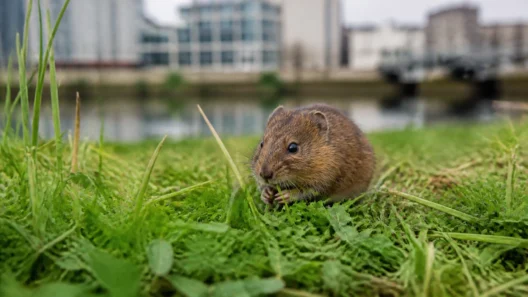
The importance of a rapid response cannot be overstated when dealing with British wildlife. Most wild animals are masters at hiding their pain, a survival instinct that prevents them from appearing vulnerable to predators. By the time a member of the public notices that an animal is unwell, the situation is often already critical. In West Yorkshire, the range of species requiring assistance is diverse. Our woodlands and urban fringes are home to badgers, foxes, and deer, while our gardens provide sanctuary to birds and small mammals like the increasingly rare hedgehog.
Hedgehogs, in particular, have seen a worrying decline across the North of England. In West Yorkshire, they face the dual threats of habitat loss and road traffic accidents. When a volunteer picks up a sick hedgehog, they are doing more than just helping one animal; they are contributing to the preservation of a species that is an essential part of the British ecosystem. The new volunteer drive focuses heavily on these "garden friends," providing the logistical support needed to get them to specialist rehabilitators who understand their complex needs.
Furthermore, the region’s waterways, such as the River Aire and the various canal networks, are frequently sites for wildlife emergencies involving water birds. Swans, geese, and ducks often fall victim to discarded litter or fishing tackle. Rescuing these large, powerful birds requires coordination and, crucially, a means of getting them to a vet quickly. The partnership between the RSPCA and UK Wildlife Transporters ensures that volunteers are equipped with the knowledge and the network to handle these specific cases, turning a potential tragedy into a success story of recovery and release.
Practical support and essential training
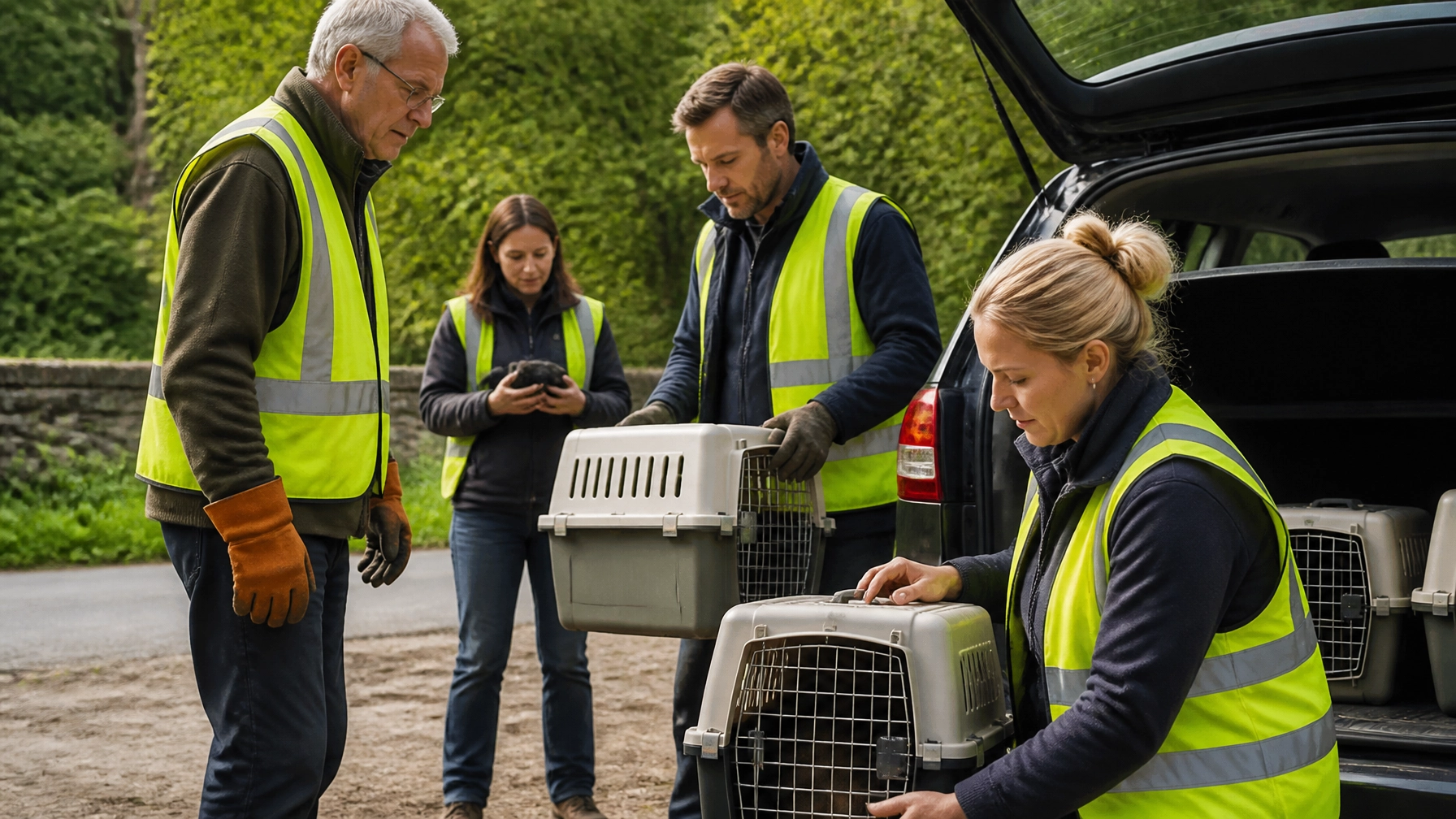
One of the most common barriers to volunteering is the fear of the unknown. Many people want to help but worry they lack the skills or equipment to handle a wild animal safely. This new drive addresses those concerns head-on by providing comprehensive training and support for every recruit. Volunteers are not expected to be expert veterinarians; their role is to act as the vital bridge between the point of discovery and the point of care. Training sessions cover everything from the basics of animal handling and welfare to the practicalities of using transport crates and hygiene protocols.
The logistics of the transport network are designed to be as accessible as possible. Many volunteers use their own vehicles, and the scheme often includes provisions to help cover fuel costs, ensuring that kindness does not become a financial burden. UK Wildlife Transporters operates through a sophisticated dispatch system that matches incidents with the nearest available driver. This means that a volunteer might only be called upon when a rescue is literally on their doorstep, allowing people with busy schedules to contribute without having to travel across the county.
Beyond the physical transport, the drive emphasises the importance of safety for both the human and the animal. Handling a stressed fox or a large bird of prey requires a calm approach and the right equipment, which is provided or guided by the RSPCA. This professional level of support gives volunteers the confidence to step into roles they might previously have felt unqualified for. By professionalising the volunteer response, the initiative ensures that every animal rescued in West Yorkshire receives a high standard of care from the very first moment it is picked up.
Restoring the balance of the local ecosystem
The benefits of this major volunteer drive extend far beyond the immediate rescue of individual animals. There is a profound psychological impact on the community when people take an active role in conservation. In an era where many feel disconnected from the natural world, becoming a wildlife transporter offers a tangible way to reconnect. It fosters a sense of pride in the local environment and encourages others to be more mindful of the wild neighbours we share our space with.
When we talk about the health of West Yorkshire, we must include the health of its wildlife. A thriving population of predators and prey indicates a balanced and resilient ecosystem. By ensuring that injured animals are treated and, wherever possible, returned to the wild, these volunteers are helping to maintain that balance. Each successful release is a victory for biodiversity. The data collected through the transport network also provides valuable insights into the health of local wildlife, helping organisations like the RSPCA identify trends, such as outbreaks of disease or particular "black spots" for road accidents, which can then be addressed through wider conservation efforts.
The long-term vision for this drive is to create a self-sustaining network of guardians across the county. As more people join, the burden on each individual decreases, and the efficiency of the system increases. It is a model of community-led conservation that could serve as a blueprint for the rest of the country. By looking out for the most vulnerable inhabitants of our woods, fields, and gardens, the people of West Yorkshire are demonstrating a commitment to a future where humans and wildlife can thrive side by side. This initiative offers a practical route for anyone who has ever seen an injured bird or a struggling mammal and wished they could do more. Now, the opportunity is here to turn that wish into a reality and provide a helping hand to the creatures that make our county so special.