The quiet landscapes of Purbeck have become the backdrop for a remarkable conservation milestone as a local wildlife facility marks its first anniversary. In just twelve months of operation, the dedicated team at the Dorset-based hospital has reached a staggering landmark, providing emergency care and rehabilitation to nearly 1,000 hedgehogs. This achievement highlights not only the critical need for specialist wildlife services in the region but also the significant pressures facing one of Britain's most beloved nocturnal mammals.
Since opening its doors, the hospital has transformed from a fledgling rescue centre into a sophisticated medical hub equipped to deal with the complex needs of the European hedgehog. The facility was established to address a noticeable gap in wildlife provision within the county, where injured or sick animals often faced long journeys to receive expert help. The sheer volume of admissions over the past year has surprised even the most experienced conservationists, underscoring the vital role the hospital plays in the local ecosystem.
A Critical Haven for Local Wildlife
The journey to 1,000 rescues has been defined by an unwavering commitment to a species that remains in a state of vulnerable decline across the United Kingdom. Hedgehogs face a myriad of modern challenges, from habitat fragmentation and the loss of traditional hedgerows to the increasing dangers posed by busy road networks and urban garden hazards. The hospital in Purbeck serves as a frontline defence, offering a second chance to animals that would otherwise succumb to their injuries or illnesses in the wild.
Admissions at the facility are varied and often require intensive intervention. Throughout the summer months, the hospital is frequently at capacity with orphaned 'hoglets': tiny infants found wandering during the day after their mothers have been disturbed or killed. These young rescues require round-the-clock feeding and temperature-controlled environments to survive. As the seasons shift, the focus often moves to 'autumn orphans', juveniles that have failed to reach the necessary weight to survive winter hibernation. The hospital's ability to provide a safe space for these animals to grow and gain strength has been a cornerstone of its first-year success.
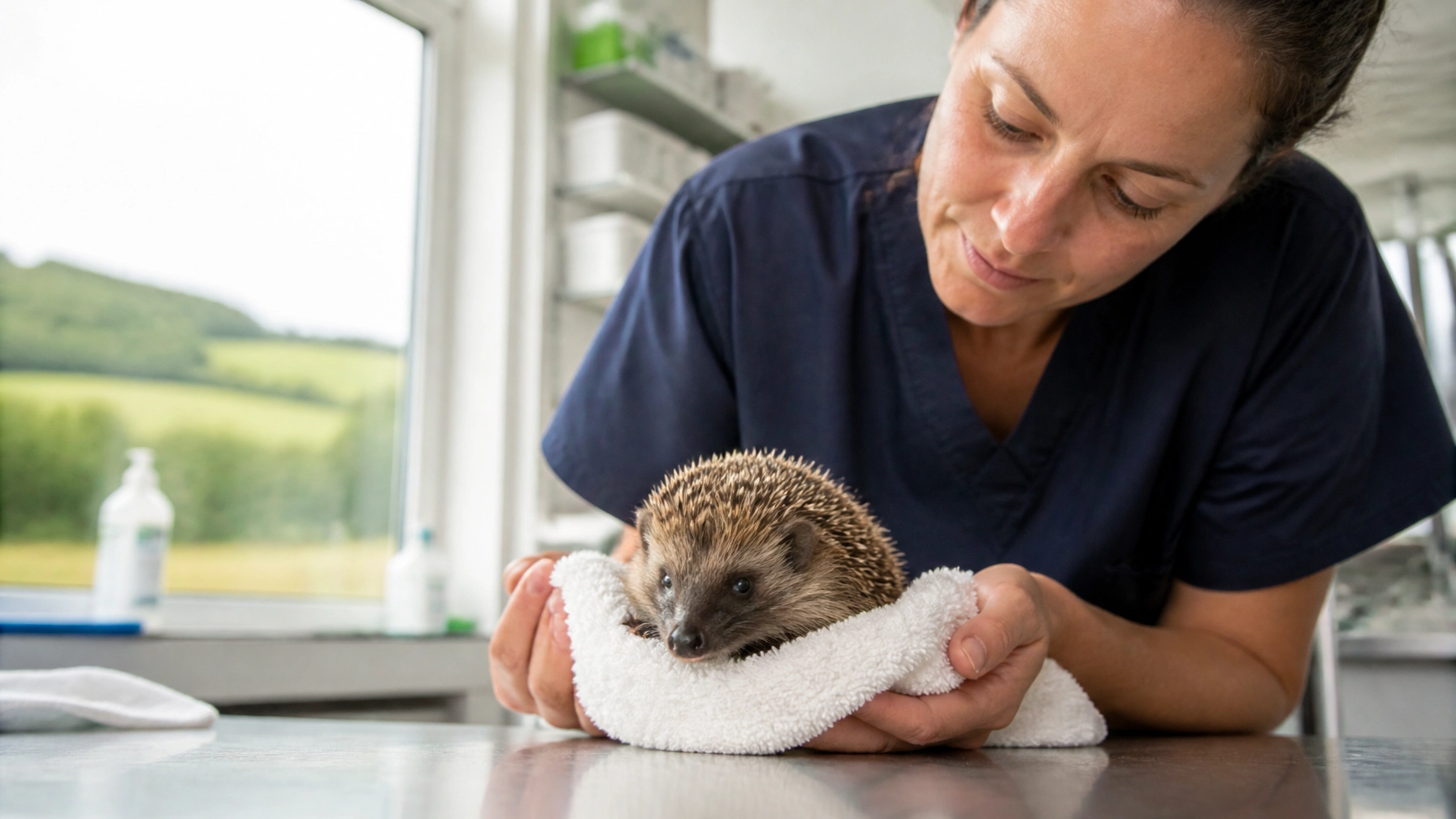
Medical cases also form a significant portion of the daily workload. The clinical team regularly treats hedgehogs suffering from severe lungworm infections, a parasitic condition that can be fatal if left untreated. Additionally, the hospital manages complex trauma cases resulting from strimmer injuries, dog attacks, and road traffic accidents. By providing specialist veterinary care and advanced wound management, the facility ensures that a high percentage of these animals are eventually returned to the wild, contributing back to the local breeding population.
Round-the-Clock Care and Rehabilitation
Operating a wildlife hospital is a relentless endeavour that demands constant vigilance and a high level of technical expertise. Each patient that enters the facility undergoes a rigorous admission process, including a physical examination, weight checks, and often microscopic analysis to identify internal parasites. The first year of operation has seen the development of sophisticated protocols designed to minimise stress for these sensitive animals while delivering the most effective treatments possible.
The rehabilitation process is often lengthy, involving several distinct stages before an animal is deemed ready for release. Initial treatment usually takes place in the intensive care unit, where incubators provide the warmth necessary for shocked or hypothermic hedgehogs. As they recover, patients are moved to larger enclosures where they can begin to exhibit natural behaviours, such as foraging and nest-building. This phased approach is essential for ensuring that the animals retain their wild instincts, a prerequisite for a successful return to their natural habitats.
Feeding nearly 1,000 hedgehogs in a year is a logistical challenge in its own right. The hospital goes through vast quantities of specialised food, designed to replicate the nutritional profile required for recovery and growth. Maintaining high standards of hygiene is equally critical; the enclosures must be cleaned and disinfected daily to prevent the spread of disease within the hospital’s population. This rigorous daily routine is managed by a core team of experts supported by a network of dedicated volunteers who contribute their time to everything from laundry and cleaning to assisting with feeds.
Community Support Drives Conservation Success
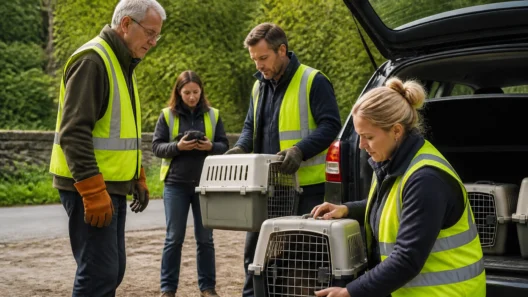
The success of the hospital's first year is inextricably linked to the overwhelming support of the local community. As a facility that relies on public awareness and contributions, the hospital has become a focal point for conservation engagement in Dorset. People from across the county have become the 'eyes and ears' of the rescue operation, identifying distressed animals and ensuring they reach professional care quickly. This high level of public vigilance is often the difference between life and death for a struggling hedgehog.
Educational outreach has also played a significant role in the hospital's first twelve months. By sharing the stories of individual rescues and providing practical advice on how to make gardens more hedgehog-friendly, the team has empowered residents to take direct action in their own back gardens. Simple changes, such as creating 'hedgehog highways' between fences, leaving out shallow bowls of water, and avoiding the use of slug pellets, have a cumulative impact that supports the work being done within the hospital walls.
Looking ahead to its second year, the hospital aims to build on this solid foundation. Plans are already in motion to expand the facility's capacity and invest in further medical equipment to enhance the level of care provided. The goal is not just to treat the symptoms of a species in trouble but to be a catalyst for wider environmental change. Every hedgehog released back into the Dorset countryside represents a victory for local biodiversity and a testament to the community's desire to protect its natural heritage. As the anniversary celebrations continue, the focus remains firmly on the next patient through the door, ensuring that the prickly residents of Purbeck have a fighting chance for many years to come.