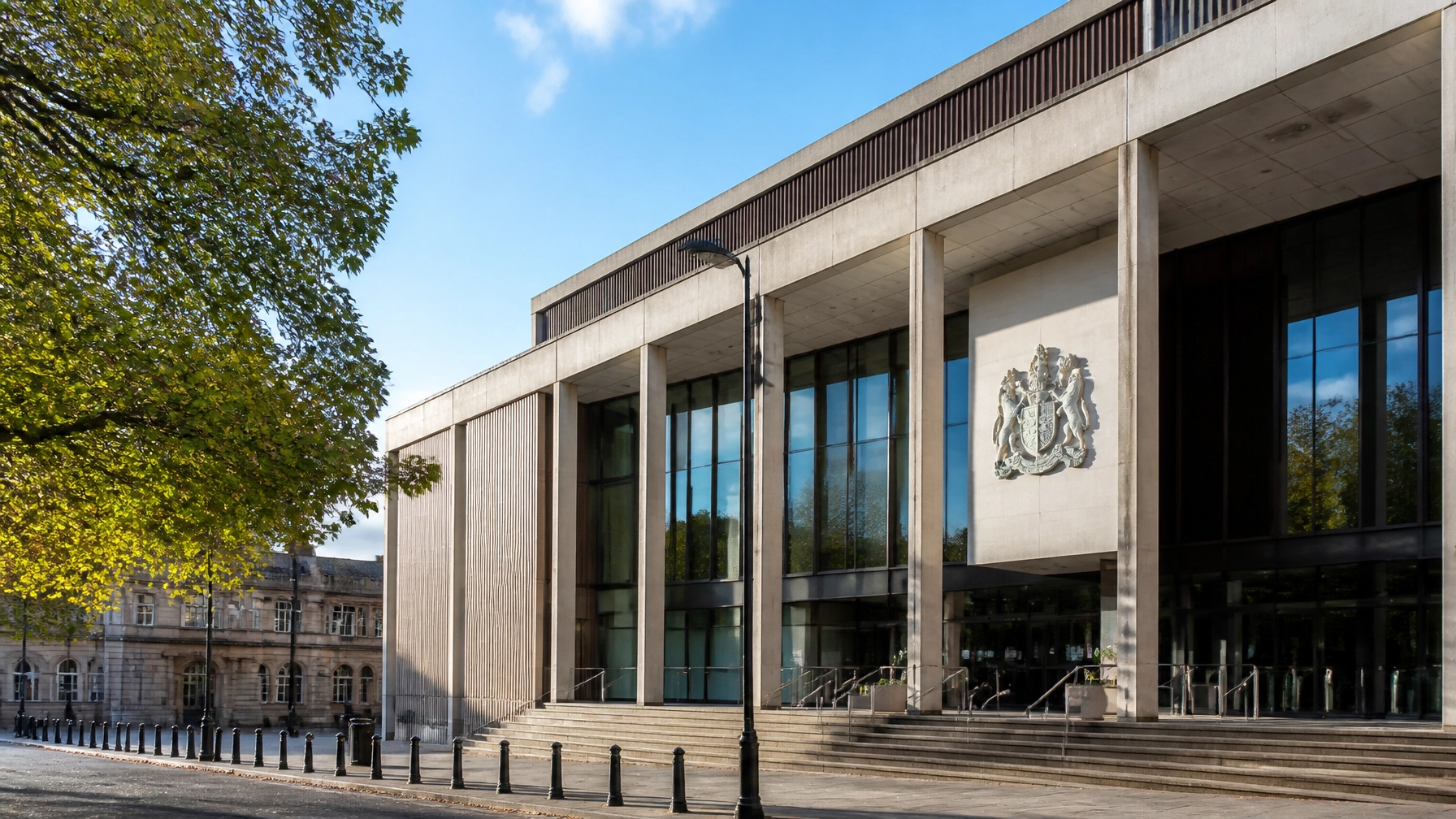
A 24-year-old woman has formally admitted her role in a devastating incident that claimed the life of a teenager in Bristol, marking a significant moment in a case that has gripped the local community for over three years. Kelcie Reed appeared before Bristol Crown Court this week to enter a guilty plea regarding the death of 19-year-old Morgan Dorsett, who was killed by an out-of-control dog in a residential flat.
The proceedings at the Crown Court were brief but heavy with the weight of the tragedy. Reed, of no fixed address, pleaded guilty to being in charge of a dog that was dangerously out of control, causing injury that resulted in death. The admission brings a level of legal closure to the investigation, though the emotional scars left on the Withywood community and the victim’s family remain profound. The case highlights the severe consequences of failing to manage powerful breeds and the uncompromising nature of the British judicial system when such failures lead to the loss of human life.
The incident occurred on 26 February 2023, a date that has become synonymous with the escalating national debate over dangerous dogs. Morgan Dorsett was inside a property in the Withywood area of Bristol when she was attacked by the animal, an XL Bully named Prince. Despite the rapid intervention of emergency services and the efforts of medical professionals, the injuries sustained by the teenager proved fatal. The sheer ferocity of the attack sent shockwaves through the city, prompting immediate calls for stricter enforcement of existing animal welfare and public safety laws.
The Fatal Incident in Withywood
The quiet residential streets of Withywood were transformed into a crime scene on that winter evening in 2023. Emergency responders described a chaotic and distressing environment as they arrived at the flat where the attack took place. Morgan Dorsett, described by those who knew her as a vibrant young woman with her whole life ahead of her, was found with catastrophic injuries. The dog involved, identified as a large XL Bully, had to be secured by specialist officers before medical treatment could even begin.
Witnesses at the time spoke of the horror of hearing the attack unfold, a testament to the power and aggression of the animal involved. The XL Bully, a breed that has since become the focus of intense legislative action across the United Kingdom, was at the centre of the police investigation from the outset. In the immediate aftermath, the focus was not only on the specific circumstances of the attack but also on the responsibility of the person in charge of the animal at the time.
The prosecution detailed how the dog, Prince, was not being adequately controlled within the domestic setting. The charge against Reed was brought under the Dangerous Dogs Act 1991, which stipulates that any person in charge of a dog that causes injury while being dangerously out of control can face significant custodial sentences. For the family of Morgan Dorsett, the guilty plea entered by Reed represents a acknowledgement of the negligence that led to their daughter’s death, yet it does little to mitigate the void left by her passing.
A Shift in Legal Responsibility
The legal landscape surrounding dog ownership in Britain has undergone a radical transformation since the Withywood tragedy. At the time of Morgan’s death, the XL Bully was not yet a prohibited breed, though it was already being monitored by authorities following a series of high-profile attacks nationwide. The successful prosecution of Kelcie Reed serves as a stark reminder that owners and handlers are legally accountable for the actions of their animals, regardless of whether the breed is specifically banned under the law.
During the court hearing, the judge emphasized the gravity of the offence. The plea of guilty indicates that Reed accepted she was the individual responsible for the dog’s behaviour at the moment the attack occurred. This admission is crucial in such cases, where the defence might otherwise argue that the animal’s behaviour was unpredictable or provoked. In this instance, the evidence pointed toward a clear failure to maintain control over a large, muscular animal capable of inflicting lethal harm.
Sentencing has been deferred to allow for the preparation of reports, but the legal framework provides for substantial penalties. The maximum sentence for a fatal dog attack can reach 14 years in prison, reflecting the state’s view that owning a potentially dangerous animal carries a burden of care equivalent to other high-risk activities. The court will now consider the degree of Reed’s culpability and the specific history of the dog, Prince, before determining the final sentence. This phase of the trial will be watched closely by legal experts and public safety advocates alike, as it sets a precedent for how these cases are handled in a post-legislation environment.
The National Scrutiny of the Breed
The death of Morgan Dorsett was one of several tragic milestones that eventually led to the British government’s decision to add the XL Bully to the list of banned breeds under the Dangerous Dogs Act. While the ban was implemented after the incident in Withywood, the case has frequently been cited in parliamentary debates as an example of why such measures were necessary. The XL Bully, a cross-breed of various bulldog and terrier types, was identified by experts as being disproportionately involved in fatal attacks relative to its population in the UK.
Public reaction to the ban has been polarised, with some owners arguing that the issue lies with the "other end of the lead": the handlers: rather than the breed itself. However, the sheer scale of the injuries in the Dorsett case and others like it provided a compelling argument for those seeking to remove these animals from public spaces and private homes unless strictly regulated. The new laws now require XL Bullies to be muzzled and kept on a lead in public, and owners must hold a certificate of exemption, which includes requirements for neutering and insurance.
For the community in Bristol, the political debate is secondary to the local loss. The plea in the Crown Court brings back to the forefront the reality of the danger posed when large dogs are not managed with the highest level of diligence. As the city awaits the sentencing of Kelcie Reed, the focus remains on the memory of Morgan Dorsett and the ongoing effort to ensure that no other family has to endure a similar tragedy. The case serves as a definitive marker in the journey toward safer communities and more responsible dog ownership across the country, underscoring that justice, while often slow, remains a fundamental pursuit for the victims of such preventable violence.