A major London NHS trust has announced a significant expansion of its animal-assisted therapy programme, bringing the calming presence of four-legged companions to sixteen different sites across the capital.
The initiative, spearheaded by the Central and North West London (CNWL) NHS Foundation Trust, represents one of the most comprehensive rollouts of animal-led intervention in the history of the British healthcare system. By integrating therapy animals into standard care pathways, the trust aims to transform the patient experience, particularly for those navigating the complexities of mental health recovery and long-term hospital stays.
The decision to scale the programme follows a successful pilot phase that demonstrated the profound impact animals can have on clinical outcomes. Patients who participated in early sessions reported lower levels of anxiety, improved mood, and a greater willingness to engage with their medical treatments. For many, the arrival of a therapy dog or cat provides a rare moment of normalcy and tactile comfort within the often sterile and high-pressure environment of a modern hospital. The expansion will now see these animals visiting wards, outpatient clinics, and community centres, ensuring that the benefits are felt by a diverse range of service users.
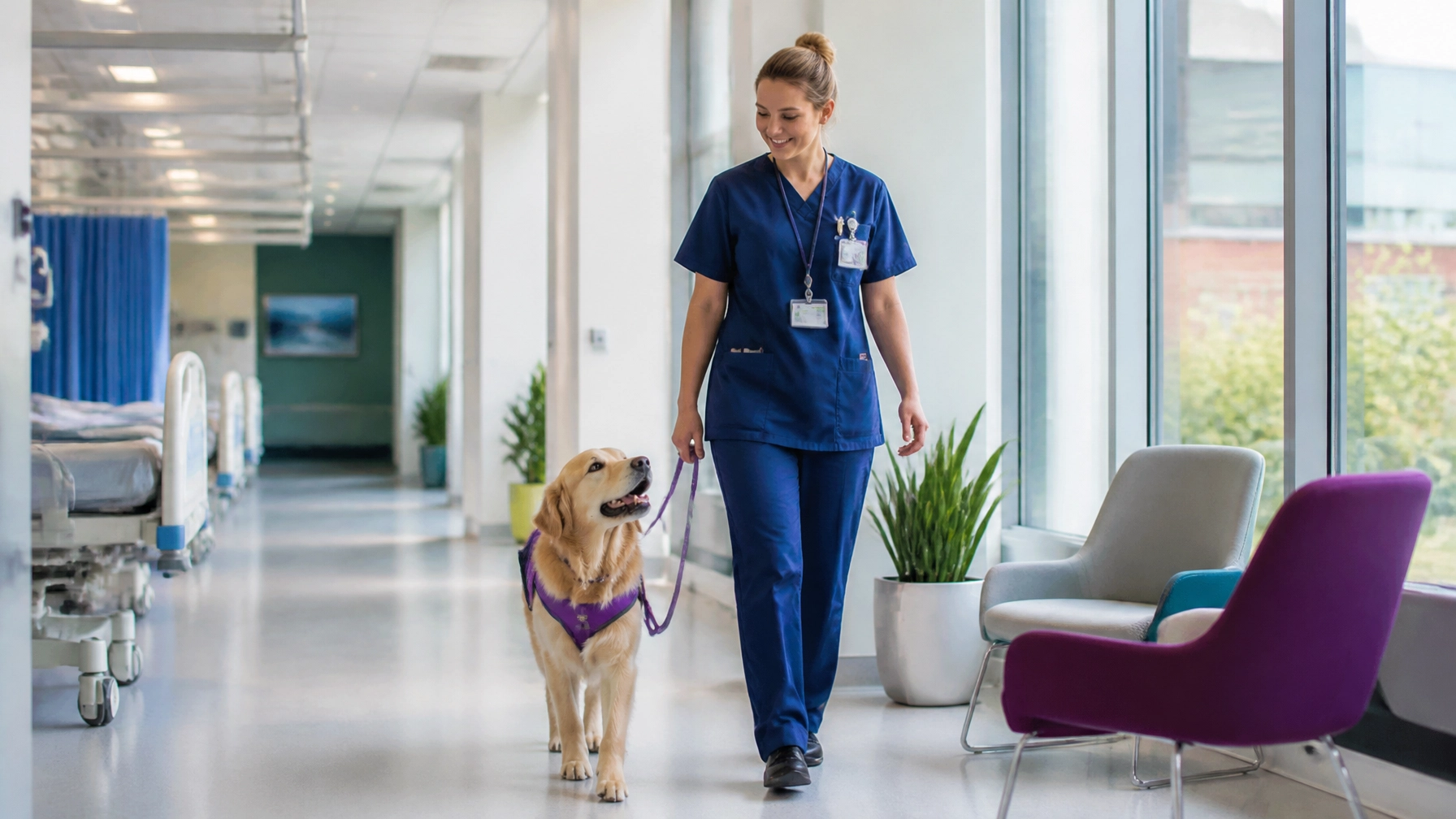
Healthcare professionals within the trust have observed that the presence of an animal often acts as a social bridge. In settings where communication can be difficult: such as acute mental health wards or units for older adults with dementia: animals provide a non-judgmental focus for interaction. A patient who may struggle to articulate their feelings to a doctor might find it easier to speak while stroking a Golden Retriever or watching a therapy cat explore a room. This "ice-breaking" effect is more than just a pleasant distraction; it is an evidence-based tool that clinicians are increasingly using to facilitate deeper therapeutic breakthroughs.
The Therapeutic Power of Animal Interaction
The science behind animal-assisted therapy is rooted in the physiological and psychological responses humans have to animals. Interaction with a calm, friendly animal has been shown to lower heart rates and reduce the production of cortisol, the body’s primary stress hormone. Simultaneously, these encounters can trigger the release of oxytocin, often referred to as the 'bonding hormone,' which promotes feelings of trust and emotional stability. For patients in the London trust’s care, these biological changes are vital components of the healing process.
In the context of mental health, the benefits are particularly acute. Many patients facing long-term hospitalisation suffer from profound loneliness and a sense of detachment from the outside world. The arrival of a therapy animal brings a sense of the 'ordinary' back into the clinical setting. The simple act of brushing a dog or playing with a toy can ground a patient in the present moment, offering a respite from intrusive thoughts or the heavy burden of a psychiatric diagnosis. This mindfulness-adjacent benefit is a key reason why the trust has committed to making these visits a regular fixture across all sixteen locations.
The programme also addresses the needs of the staff. Healthcare workers in London operate under immense pressure, and the "Paws for Peace" initiative has been designed with their wellbeing in mind as well. Brief interactions with the animals during a busy shift can provide a much-needed mental reset for nurses, doctors, and support staff. By improving the overall atmosphere of the ward, the animals contribute to a more positive workplace culture, which indirectly but significantly improves the quality of care provided to every patient.
Scaling Support Across Sixteen London Sites
Managing a rollout of this scale requires meticulous planning and a strict adherence to safety and hygiene protocols. The sixteen sites involved in the expansion cover a broad geographical area, from the heart of the city to the suburban fringes served by the CNWL trust. Each location has unique needs, and the animal teams are being deployed strategically to ensure they have the greatest possible impact. This includes specialist units for children and adolescents, as well as high-dependency wards where traditional forms of therapy might be more challenging to implement.
The animals used in the programme are not merely pets; they are highly trained "professionals" who have undergone rigorous assessment to ensure they have the right temperament for a hospital environment. They must be unfazed by the sounds of medical equipment, the movement of wheelchairs, and the unpredictable nature of a busy ward. Their handlers are equally skilled, trained to read both the animal’s stress levels and the patient’s emotional state to ensure every interaction is safe and beneficial.
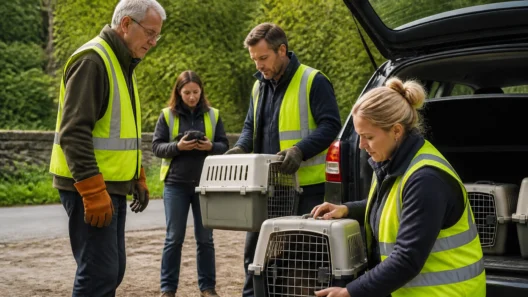
The logistics of moving these teams between sixteen different sites are handled with the same precision as any other medical service. Schedules are co-ordinated with ward managers to ensure that visits do not interfere with clinical rounds or medication administration. Instead, the therapy sessions are woven into the daily life of the ward, becoming an anticipated highlight of the week for many. By treating animal therapy as a formalised part of the trust’s offering, the NHS is acknowledging that holistic health involves more than just medicine; it involves the environment, the community, and the emotional support systems that surround a patient.
A New Standard for Mental Health Care
The expansion of animal therapy in London signals a broader shift in how the NHS approaches mental health and long-term care. There is a growing recognition that traditional clinical models can be enhanced by integrating more human-centric, and in this case, animal-centric, approaches.
As the results from the sixteen sites begin to be documented, it is expected that other trusts across the United Kingdom will look to the London model as a blueprint for their own patient wellbeing strategies.
This initiative is also a reflection of the trust’s commitment to "untold stories" of recovery. While much of the news surrounding the healthcare system focuses on waiting times and funding gaps, the success of programmes like this highlights the innovation and dedication present on the frontline. It is a story of compassionate care that prioritises the dignity and happiness of the individual. For a patient in Central London, the highlight of their recovery journey might not be a new medication, but the cold nose and wagging tail of a visitor who asks for nothing but a pat on the head.
As the programme matures, the trust intends to gather more data on the long-term impacts of these interactions. Preliminary evidence suggests that regular animal visits can lead to shorter hospital stays and a reduction in the need for PRN (as required) medication for agitation or anxiety. If these trends continue, the argument for animal-assisted therapy will move from being a "nice to have" extra to an essential component of modern psychiatric and rehabilitative care. The sixteen sites currently participating are just the beginning of a movement that puts peace, comfort, and paws at the heart of the healing process.